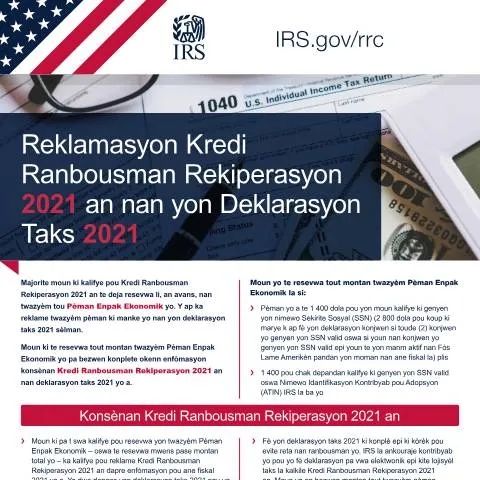
A Deep Dive into IRS Publication 5486-BHT: Understanding Your Recovery Rebate Credit
Imagine you're filing your taxes and you realize you might be eligible for a Recovery Rebate Credit. Perhaps you didn't receive the full amount of your Economic Impact Payments (stimulus checks). This is where IRS Publication 5486-BHT comes into play, guiding taxpayers through the steps to reclaim those funds. It's crucial to understand the details and implications of this publication to ensure you maximize your tax benefits.
The Fundamental Role of Publication 5486-BHT in Your Tax Filing
IRS Publication 5486-BHT serves as an essential resource for taxpayers who have not received the full Economic Impact Payments due to various reasons, such as income adjustments or eligibility changes. This document outlines the criteria for claiming the Recovery Rebate Credit on your 2021 tax return.
- Eligibility Criteria: The publication details who qualifies for the credit based on income and filing status.
- Documentation Requirements: It explains necessary documentation and how to accurately report your situation.
- Impact on Tax Liability: The credit can directly affect your overall tax liability, potentially increasing your refund.
The Impact of Missing Payments: What You Need to Know
Taxpayers who received less than the full amount of Economic Impact Payments during the year may be eligible to claim the Recovery Rebate Credit. This can occur if:
- You did not qualify for the initial payments due to changes in household income.
- Your dependents' status has changed, potentially impacting your rebate amount.
- You were not a taxpayer in prior years and missed the automatic payments.
All these factors are crucial in evaluating your eligibility for the credit outlined in Publication 5486-BHT.
Step-by-Step Completion of the Recovery Rebate Credit
Completing your tax return with the Recovery Rebate Credit can seem daunting. However, IRS Publication 5486-BHT aids in guiding you through this process. Here's how to proceed with your tax filing:
1. Gather Your Economic Impact Payment Details
Before filling out your tax return, collect records related to any Economic Impact Payments you received. If you haven't received any payments, ensure you understand why.
2. Verify Your Eligibility
Review the eligibility criteria detailed in the publication. If your adjusted gross income (AGI) falls below the thresholds established by the IRS, you may qualify for the full credit.
3. Complete Your Tax Return
When filling out your Form 1040 for 2021, report the amount of Economic Impact Payments you received on the appropriate line. If you didn't receive the full amount, calculate your Recovery Rebate Credit using the worksheet provided in the publication.
Key Lines on Form 1040
| Line Number | Purpose |
|---|---|
| 30 | Report your Recovery Rebate Credit amount. |
| 12a | List your total Economic Impact Payments received. |
Completing these lines accurately is essential to claiming the correct amount of credit.
Where to Submit Your Application: Navigating Submission Channels
Once your tax return is ready, the next step is submission. You have various channels at your disposal:
- Electronic Filing: The IRS strongly encourages e-filing due to faster processing times and the ability to receive your refund sooner. Many tax software programs can help calculate your Recovery Rebate Credit automatically.
- Paper Filing: If you prefer submitting a paper return, ensure that your documents are filled out completely and mailed to the appropriate IRS address. Remember to consider potential delays in processing times.
- In-Person Assistance: While less common, you can visit local IRS offices for help. Schedule an appointment in advance for tax assistance if you're unsure about the process.
Tracking Your Submission
If you filed electronically, you can track your tax return status through the IRS 'Where's My Refund?' tool. If you submitted a paper return, it may take longer to process, and tracking is limited.
Common Issues: What to Do If Your Claim Is Denied
Dealing with a denied credit claim can be frustrating. However, IRS Publication 5486-BHT offers guidance on how to handle these situations effectively:
1. Understanding Denials
Your claim might be denied for several reasons, including errors in your reported income or failure to provide adequate documentation. Carefully read the notice from the IRS explaining the denial.
2. Correcting Mistakes
If the denial is due to a mistake on your part, amend your tax return using Form 1040-X. This form allows you to correct your previous tax return and claim the Recovery Rebate Credit correctly.
3. Requesting Reconsideration
If you believe the denial was made in error, consider contacting the IRS. Prepare to provide any supporting documentation that reinforces your eligibility for the credit.
A Timeline for Filing and Receiving Your Recovery Rebate Credit
Understanding the timeline for your Recovery Rebate Credit is crucial. Here’s a breakdown of the key dates:
Tax Filing Period
The typical tax filing deadline is April 15 of the following year. For the tax year 2021, this means:
- Tax returns are generally due by April 15, 2022.
- If you owe taxes and do not file by this date, penalties may apply.
Processing Time for Refunds
After filing, the IRS typically processes electronic returns within 21 days. However, if you filed a paper return, expect delays of several weeks or even months, especially during peak filing seasons.
Receiving Your Credit
Once processed, your Recovery Rebate Credit will either reduce your tax liability or be issued as a refund if your credit exceeds the taxes owed.
Common Concerns and Additional Resources
As you navigate the process of claiming your Recovery Rebate Credit, you might encounter additional concerns. Here are some common issues and how to address them:
1. Missing Economic Impact Payments
If you believe you did not receive your Economic Impact Payments, the IRS provides a mechanism to verify this. Using your IRS online account, you can check your payment history to see the amounts issued to you.
2. Changes in Dependent Status
Should your dependent status change during the year, your eligibility for the Recovery Rebate Credit may also change. This means you may need to adjust your claim based on the new status of dependents.
3. Utilizing IRS Resources
The IRS offers various tools and resources to aid taxpayers. From the official IRS website, you can access forms, FAQs, and guides specific to the Recovery Rebate Credit, ensuring you're well informed.
Final Thoughts: Making the Most of IRS Publication 5486-BHT
IRS Publication 5486-BHT is not just a document—it's your roadmap to understanding and claiming any eligible Recovery Rebate Credits for the 2021 tax year. By thoroughly reviewing the publication and following the guidelines provided, you can maximize your potential tax refund and secure the financial relief you're entitled to.
Prioritize accuracy in your filing, stay informed about your submission status, and don't hesitate to seek help if needed. The IRS has designed these measures to ensure taxpayers receive the benefits intended for them, making your understanding of this publication crucial for a smooth tax filing experience.
Understanding IRS Publication 5486BHT: Breakdown of Key Components
IRS Publication 5486BHT is a critical resource for understanding the tax implications of certain financial activities, particularly for those involved in international transactions or in possession of foreign assets. This document provides detailed guidance on compliance with U.S. tax regulations concerning foreign investments and accounts. One of the key components of this publication is the definition and treatment of foreign trusts and their beneficiaries, which can significantly affect your tax obligations. It's essential to familiarize yourself with the criteria that distinguish a foreign trust from a domestic one and the implications for U.S. taxpayers.
Additionally, the publication outlines the necessary forms to report foreign income, such as the Form 8938 (Statement of Specified Foreign Financial Assets) and the FBAR (FinCEN Form 114), which must be filed by U.S. citizens with foreign financial accounts exceeding certain thresholds. Failure to comply with these reporting requirements can lead to severe financial penalties and complicate future tax filings. Understanding the nuances of these forms, including which assets must be reported and under what circumstances, is vital for avoiding costly mistakes.
Common Mistakes in Filing Based on IRS Publication 5486BHT
Taxpayers often encounter pitfalls when filing their returns or associated forms based on the guidance provided in IRS Publication 5486BHT. One prevalent mistake is underreporting foreign income, which can result from misunderstanding the definition of "foreign" versus "domestic" assets. Taxpayers sometimes assume that income generated from foreign assets is exempt from U.S. taxation, leading to potential issues with the IRS.
Another frequent error is failing to file the necessary forms altogether. For instance, many taxpayers remain unaware of their responsibilities regarding the FBAR and Form 8938. It's vital to realize that the U.S. has specific disclosure requirements for foreign accounts and assets, and not filing these can lead to severe penalties, including a percentage of the account balance. Taxpayers should also be cautious about the deadlines associated with these forms, as they may differ from the standard tax return due date of April 15. The FBAR is due by April 15 but can be extended, whereas Form 8938 has its own due date aligned with the tax return.
Strategies for Compliance with IRS Publication 5486BHT
Ensuring compliance with the stipulations in IRS Publication 5486BHT requires a proactive approach. First, taxpayers should maintain organized records of all foreign financial assets and income. This means documenting not only the accounts but also any transactions that have tax implications. Keeping accurate records simplifies the reporting process and provides a safety net in the event of an IRS inquiry.
Secondly, taxpayers should consider consulting tax professionals with expertise in international tax law. The complexities surrounding foreign income and assets can be overwhelming, and professional guidance can help navigate the intricate landscape of compliance. A tax advisor can provide personalized advice based on individual circumstances, including strategies to minimize tax liabilities and ensure all reporting requirements are met.
Lastly, staying informed about changes in tax laws and regulations is crucial. The IRS periodically updates guidelines and forms related to foreign income and assets. Regularly reviewing IRS publications and announcements will keep taxpayers aware of their obligations and help avoid any unintentional noncompliance.