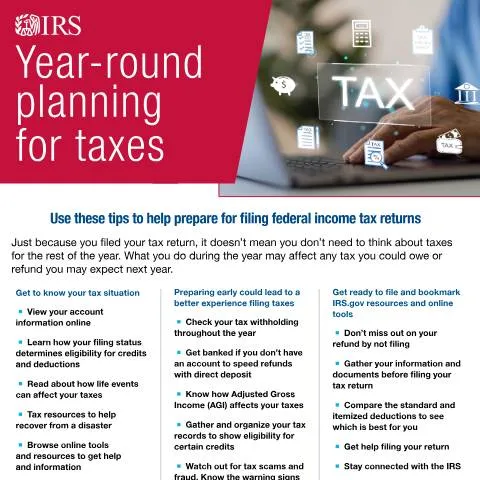
Diving Deep into IRS Publication 5349-A: Understanding the Framework
When dealing with tax responsibilities, IRS Publication 5349-A stands as a pivotal document that every taxpayer should familiarize themselves with. This publication not only outlines essential tax information but also provides guidance on the nuances of federal income tax returns. Understanding its intricacies is crucial for avoiding costly mistakes and ensuring compliance with federal regulations.
A Detailed Breakdown of IRS Publication 5349-A
Publication 5349-A is structured to assist taxpayers in navigating their tax obligations effectively. Here, we dissect the core elements of the document, focusing on each section and its implications for those preparing their tax returns.
Section 1: Filing Status and Its Importance
Your filing status plays a crucial role in determining your tax obligations. IRS Publication 5349-A outlines the various categories of filing statuses, which include:
- Single
- Married Filing Jointly
- Married Filing Separately
- Head of Household
- Qualifying Widow(er)
Each status comes with its own tax brackets and eligibility for deductions and credits. Misclassifying your filing status can lead to underpayment or overpayment of taxes, highlighting the importance of understanding which category applies to your situation.
Section 2: Adjusted Gross Income (AGI) Clarified
Your Adjusted Gross Income (AGI) serves as the basis for calculating your tax liability. The publication breaks down how AGI is determined, including various income sources and above-the-line deductions. Key components of AGI include:
- Wages, salaries, and tips
- Interest and dividend income
- Pensisons and annuities
- Capital gains
- Deductions such as student loan interest and retirement contributions
Taxpayers should pay particular attention to how changes in income can affect their AGI and, consequently, their tax outcomes. Keeping accurate records throughout the year is essential for this calculation.
Essential Preparations Before Filing
Filing your tax return is not a one-time event; it requires year-round planning. The publication emphasizes the importance of being proactive in your tax preparation. Here are key preparatory steps:
- Gather Documentation: Collect all relevant documents, such as W-2s, 1099s, and other income statements.
- Review Life Changes: Major life events like marriage, divorce, or the birth of a child can significantly impact your tax situation.
- Evaluate Deductions: Understand the difference between standard and itemized deductions to choose the most beneficial option.
- Monitor Tax Withholding: Regularly check and adjust your withholding to avoid surprises during tax season.
Documentation and Its Importance
Proper documentation is foundational to a smooth tax filing experience. Let’s break down the types of documents you may need based on different scenarios:
| Scenario | Required Documents |
|---|---|
| Employed | W-2 forms, 1099 forms |
| Self-employed | 1099 forms, profit and loss statements, business expenses documentation |
| Students | 1098-T forms (tuition), student loan interest documentation |
| Homeowners | Mortgage interest statements, property tax receipts |
Handling Refusals and Errors in Submission
Even with careful preparation, errors can occur during the tax filing process. If your tax return is rejected, or if you discover a mistake after submission, swift action is required:
- Rejection Notice: If the IRS rejects your submission, they will provide a specific reason. It is critical to address the issue promptly and resubmit your corrected return.
- Amended Returns: For errors discovered post-filing, you may need to file Form 1040-X to amend your return. Ensure to include all necessary information to avoid further complications.
- Documentation: Keep all correspondence and documentation related to your return, including notices received from the IRS.
Specific Cases: Dealing with Missing Documentation
Occasionally, taxpayers may find themselves missing crucial documentation. Here’s how to proceed in such situations:
- Contact your employer or financial institutions to request re-issuance of forms.
- Utilize online IRS resources to access tax transcripts if necessary.
- Document your efforts to obtain missing documents, as this may be useful in case of an audit.
The Diverse Taxpayer Profile: Who Needs This Publication?
IRS Publication 5349-A caters to a wide range of taxpayers, each with unique situations. Recognizing your profile can enhance your understanding and compliance. Here are some specific categories:
- New Filers: First-time filers may benefit most from the clarity provided in the publication, ensuring they understand the basics of filing.
- Self-Employed Individuals: Those running their own business must navigate different income reporting and deduction rules, which are thoroughly explained in the document.
- Families: Taxpayers with dependents should be aware of available credits, such as the Child Tax Credit, which could significantly impact their return.
International Considerations
Foreign nationals and expatriates face unique tax challenges, which are addressed within Publication 5349-A. Key considerations include:
- Understanding residency status for tax purposes.
- Filing taxes on worldwide income versus income sourced within the U.S.
- Eligibility for certain tax treaties that may offer relief from double taxation.
Distinguishing Publication 5349-A from Other IRS Forms
Tax legislation is complex, and several other IRS forms and publications may seem similar to Publication 5349-A. However, it serves distinct purposes that set it apart:
- Publication 5349-A vs. Form 1040: While Form 1040 is the actual tax return filed, Publication 5349-A provides guidelines and context for filling out the return.
- Publication 5349-A vs. Publication 17: Both address individual income taxes, but Publication 17 encompasses a broader range of topics, including credits and deductions not covered in 5349-A.
Commonly Confused Forms and Publications
Taxpayers often confuse various IRS forms and publications. Understanding the purpose of each can help clarify their needs:
| Form/Publication | Purpose | Use Case |
|---|---|---|
| Pub 5349-A | Guidance for federal income tax returns | All individual taxpayers |
| Form 1040 | Individual income tax return | Filed by individuals |
| Pub 17 | Tax guide for individuals | Comprehensive tax information |
Final Thoughts: Staying Informed for Tax Success
Understanding IRS Publication 5349-A is crucial for taxpayers looking to navigate the complexities of federal income tax returns successfully. From knowing your filing status to keeping meticulous records and understanding how income impacts your AGI, every detail contributes to a smoother filing experience. By preparing early, knowing what documentation to gather, and understanding your unique tax situation, you position yourself for success. Staying informed and diligent can significantly mitigate potential issues during tax season.
Understanding IRS Publication 5349A: Key Concepts Explained
IRS Publication 5349A provides detailed guidelines crucial for taxpayers navigating the complexities of tax regulations. Within this publication, you'll find specific categories of deductions, exemptions, and credits that can significantly impact your overall tax liability. It's essential to understand the various terms and concepts outlined in the publication to maximize your tax benefits and ensure compliance with federal regulations.
For instance, one of the key concepts discussed in Publication 5349A is the concept of "Qualified Business Income" (QBI). This is particularly relevant for self-employed individuals or those operating pass-through entities such as S corporations and partnerships. Understanding how to calculate QBI, along with the relevant thresholds and limitations, can lead to substantial tax savings for eligible taxpayers.
Another important aspect covered is the definition and treatment of "ordinary and necessary" expenses related to business operations. Taxpayers often struggle with categorizing expenses correctly, which can lead to underreporting or overreporting taxable income. IRS Publication 5349A clarifies what qualifies as an ordinary and necessary expense, providing examples that help distinguish between personal and business-related expenses.
Navigating Deductions and Credits: Strategies for Taxpayers
Tax deductions and credits can significantly reduce the amount of taxable income, yet many taxpayers overlook them due to a lack of understanding. IRS Publication 5349A lays out a systematic approach to identifying potential deductions available for various taxpayer profiles, including individuals, families, and business owners.
One effective strategy is itemizing deductions rather than taking the standard deduction if it results in a lower tax liability. Publication 5349A provides a comprehensive list of common itemized deductions, such as medical expenses, mortgage interest, and state and local taxes. Taxpayers should review these categories against their individual circumstances to determine the most beneficial approach for their filings.
Moreover, taxpayers should consider the implications of tax credits, which directly reduce the amount of tax owed. Unlike deductions, which reduce taxable income, credits can offer a dollar-for-dollar reduction of tax liability. Publication 5349A details various credits available, such as the Earned Income Tax Credit and the Child Tax Credit. Understanding eligibility requirements and how these credits interact with other tax benefits is crucial for effective tax planning.
Common Pitfalls and Misunderstandings in IRS Publication 5349A
Despite the detailed guidance provided in IRS Publication 5349A, taxpayers often fall prey to common misunderstandings that can lead to costly mistakes. Awareness of these pitfalls is critical for ensuring compliance and maximizing tax benefits.
One frequent issue arises with the timing of income recognition and expense deductions. Taxpayers may not fully understand the principle of "cash basis" versus "accrual basis" accounting, which governs when income and expenses should be reported. Publication 5349A emphasizes the significance of selecting the appropriate accounting method based on your financial situation and the types of transactions typical of your business or personal finances.
Another misunderstanding involves the classification of employees versus independent contractors. IRS Publication 5349A explains the criteria used by the IRS to determine the correct classification. Misclassification can lead to significant tax penalties and missed opportunities for deductions. Taxpayers should ensure they accurately categorize workers to align with IRS guidelines, which can help avoid audits and enhance compliance with federal employment tax obligations.
Lastly, the publication highlights the importance of record-keeping in substantiating claims for deductions and credits. Many taxpayers underestimate the need for meticulous documentation. Maintaining thorough records not only facilitates accurate reporting but also prepares taxpayers for potential audits. IRS Publication 5349A provides guidelines on the types of records to retain and the duration for which they should be kept.