Understanding IRS Publication 5914-A: Your Guide to Tax Education and Outreach
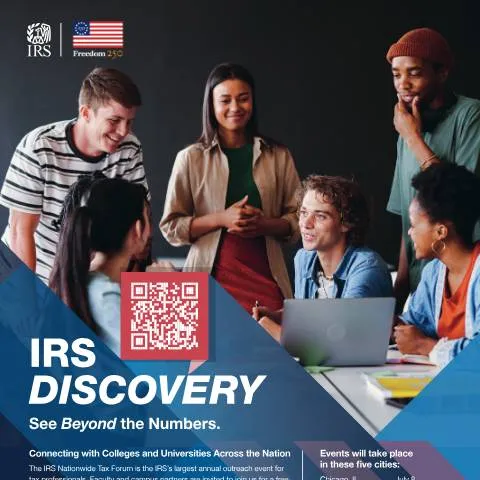
Navigating the world of taxes can be overwhelming, especially for those new to the system or those caught up in complex tax situations. IRS Publication 5914-A is not just a standard document; it serves as a comprehensive guide for educational outreach, particularly targeting tax professionals, students, and recent graduates. This publication aligns with the IRS's mission to enhance understanding of federal taxation through various programs, including the IRS Nationwide Tax Forum.
The Role of IRS Publication 5914-A in Tax Education
This publication outlines the structure, purpose, and objectives of the IRS Nationwide Tax Forum, an annual event that offers tax professionals a unique opportunity to engage with IRS representatives and gain insights into recent tax developments. The format is designed to cater specifically to educational needs, making it an invaluable resource for anyone looking to deepen their understanding of tax issues.
What You Will Find in Publication 5914-A
- Event Information: Details about the upcoming IRS Nationwide Tax Forum.
- Target Audience: Professionals, faculty members, students, and recent graduates.
- Networking Opportunities: Information on recruitment events for potential IRS employees.
- Tax Issues Insight: Coverage of the latest federal and state tax concerns.
Who Can Benefit from IRS Publication 5914-A?
Publication 5914-A is especially beneficial for:
- Tax Professionals: Whether you are a seasoned tax accountant or just starting, this publication offers vital information on developments in tax law.
- Students and Recent Graduates: If you are pursuing a career in tax, the tax forum offers networking opportunities and free access to educational resources.
- Educational Institutions: Faculty members can gather insights to incorporate into their curriculum, ensuring that students are well-prepared for real-world tax issues.
Steps to Prepare for the IRS Nationwide Tax Forum
If you are planning to attend the IRS Nationwide Tax Forum, here’s how to prepare effectively:
- Registration: Make sure to register in advance for your preferred city. Use the provided QR code to facilitate this process.
- Review the Agenda: Familiarize yourself with the event schedule. This will help you plan which sessions to attend based on your specific interests in tax issues.
- Gather Materials: Bring any necessary materials, such as notebooks or electronic devices, to take notes during sessions.
- Networking: Prepare your elevator pitch if you're looking to make new connections, particularly in the IRS recruitment event.
Unique Circumstances: Navigating Tax Issues as an International Student
International students often face unique challenges regarding taxation. Understanding how Publication 5914-A applies to them is crucial:
- Tax Residency Status: Determining whether you're a resident or non-resident for tax purposes significantly affects your tax obligations.
- Educational Tax Benefits: International students may qualify for certain deductions or credits that can ease their tax burden.
- Networking Opportunities: Engaging in the forum can help build connections which may prove beneficial when seeking tax advice specific to international students.
Filing and Following Up on Tax Returns: Insights from the Forum
Filing your tax return can seem daunting, but educational events like the IRS Nationwide Tax Forum are designed to simplify the process:
- Understanding Forms: Familiarize yourself with forms like Form 1040, which is essential for filing individual income tax returns. Experts at the forum can provide insights into recent changes in these forms.
- Deadlines: Be aware that the typical deadline for filing taxes is April 15. However, the IRS allows for extensions under certain circumstances, which can be discussed during the forum.
- Receiving Assistance: Attendees can access IRS representatives who can clarify any uncertainties about filing procedures or required documentation.
What if Your Tax Filing is Rejected?
If your tax return is rejected or there are issues with your submission, understanding the next steps is key. Attending the forum can offer valuable tips:
- Common Reasons for Rejection: Learning what typically causes returns to be rejected can help you avoid these pitfalls in the future.
- How to Correct Errors: The forum will provide guidance on rectifying mistakes and resubmitting your return effectively.
- Follow-Up Procedures: If issues persist, understanding how to engage with IRS representatives to resolve them is crucial. The forum provides insights into how to successfully navigate this process.
Outcomes of Attending the IRS Nationwide Tax Forum
Attending the forum can have profound implications for your understanding of tax laws and the IRS:
- Enhanced Knowledge: Participants leave with updated information on tax regulations and policies that directly affect their professional or personal financial situations.
- Networking Opportunities: The connections made during the forum can lead to mentorships, job offers, or collaborations in the future.
- Access to Resources: Participants may gain access to tools and resources that can assist them in their professional endeavors.
Conclusion: The Value of IRS Publication 5914-A and the Nationwide Tax Forum
Publication 5914-A serves as an essential tool for those looking to expand their knowledge and understanding of tax issues. Whether you're a tax professional seeking the latest updates or a student hoping to start a career in tax, this publication and the accompanying forum provide myriad opportunities for learning and networking. By participating, you position yourself to navigate the complexities of the tax system more effectively.
Understanding the IRS Publication 5914A: Key Sections Explained
IRS Publication 5914A is an essential resource for taxpayers who are navigating the complexities of their federal tax obligations. This publication, which falls under the Internal Revenue Service's broader framework of taxpayer resources, specifically addresses issues pertinent to individuals and entities engaging in international transactions or those that have foreign income. In this section, we’ll break down some of the key sections of Publication 5914A to provide clarity on its contents.
One of the critical areas covered in this publication is the taxation of foreign income. The IRS emphasizes the importance of reporting any foreign income earned, which includes wages, dividends, interest, and rental income. This can often lead to complex situations for U.S. citizens and residents working abroad. Publication 5914A outlines the rules for determining what constitutes taxable foreign income and highlights the importance of filing Form 2555 (Foreign Earned Income) or Form 1116 (Foreign Tax Credit) to avoid double taxation.
Additionally, the publication explains the implications of the Foreign Account Tax Compliance Act (FATCA). FATCA mandates that foreign financial institutions report information about accounts held by U.S. citizens or residents to the IRS. Publication 5914A details the reporting requirements that individuals may have under FATCA, including the need to file Form 8938 (Statement of Specified Foreign Financial Assets). Understanding these requirements is crucial for compliance and to avoid potential penalties.
Another important aspect covered in Publication 5914A is the rules regarding foreign trusts and estates. Taxpayers with interests in foreign trusts or estates need to be aware of their reporting obligations, which can include filing Form 3520 (Annual Return to Report Transactions with Foreign Trusts and Receipt of Certain Foreign Gifts). Failure to comply with these requirements can lead to substantial penalties, making it imperative for taxpayers to be informed.
Common Mistakes and How to Avoid Them When Using Publication 5914A
Taxpayers often face challenges when interpreting IRS publications, and Publication 5914A is no exception. Here, we'll explore some common mistakes individuals make when utilizing this resource and how to circumvent these pitfalls effectively. One frequent error is misinterpreting the definitions of foreign income and assets. It's essential to carefully read the contextual examples provided in the publication and ensure that any foreign income is accurately reported to avoid discrepancies in tax filings.
Another common mistake involves deadlines. Many taxpayers overlook the filing deadlines associated with forms referenced in Publication 5914A. For instance, while the general tax filing deadline is April 15, individuals with foreign income may qualify for an automatic extension to June 15, but they must still pay any taxes owed by April 15 to avoid interest and penalties. Staying aware of these nuanced deadlines is vital for maintaining compliance.
A typical misunderstanding lies in the foreign tax credit. Taxpayers often believe that they can automatically claim a credit for all foreign taxes paid. However, the IRS has specific guidelines regarding eligible foreign taxes and how they can be credited against U.S. taxes owed. Publication 5914A provides essential details regarding this aspect, and taxpayers should refer to it to ensure they are not missing out on potential deductions and credits.
Resources for Further Assistance with IRS Publication 5914A
While IRS Publication 5914A serves as a comprehensive guide, there are additional resources available for taxpayers who require further assistance. The IRS website itself offers a range of tools, including interactive tax assistants that can help clarify specific questions related to international taxation. Furthermore, taxpayers may find it beneficial to consult tax professionals who specialize in international tax law, as they can provide tailored advice based on individual circumstances.
In addition, the IRS provides a Taxpayer Advocate Service (TAS) that assists taxpayers facing challenges with the IRS. If you find yourself confused or facing a particularly complex situation regarding your international tax obligations, contacting TAS could provide valuable support. They can help navigate the intricacies of your tax situation and advocate on your behalf when necessary.
Lastly, consider joining forums or online communities focused on U.S. expats and international taxation. These platforms often provide peer support and share valuable experiences that can help demystify the often-complex regulations surrounding IRS Publication 5914A. Engaging with others who are in the same situation can also lead to discovering additional resources and tips that may prove beneficial in your tax journey.