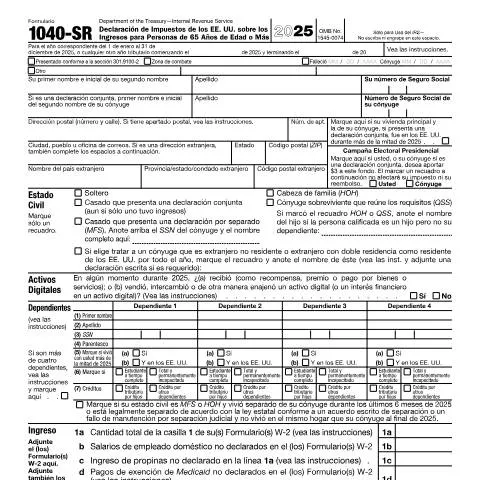
Navigating the Complexities of IRS Form 1040-SR: A Comprehensive Guide
Filing taxes can often feel like navigating a labyrinth, especially for senior citizens. The IRS Form 1040-SR, designed specifically for individuals aged 65 and older, serves as a crucial document for many when the tax season rolls around. Understanding its nuances can significantly ease the burden of tax preparation, making it vital for eligible filers. Here, we explore the purpose of Form 1040-SR, who is required to file it, and how to complete and submit it effectively.
Who Needs to Complete Form 1040-SR?
While Form 1040-SR is specifically tailored for taxpayers 65 and older, it's essential to delve deeper into the profiles of those who may be required to use it. This section outlines various scenarios where this form becomes necessary, addressing unique considerations and exceptions.
- Single Filers: If you are single and 65 or older, you will need to file Form 1040-SR if your gross income exceeds the thresholds set by the IRS for the tax year.
- Married Couples Filing Jointly: Couples where at least one spouse is 65 or older may also choose to file this form if their combined income meets the required criteria.
- Widows and Widowers: Those who qualify as surviving spouses can use Form 1040-SR if their age aligns with the requirements.
- Dependents: If you are claimed as a dependent or have taxable income from sources such as pensions, Social Security, or interest, the use of this form may still be applicable.
- Special Considerations: Unique situations, such as disability or unforeseen medical expenses, may also influence the need to file Form 1040-SR despite age-related exemptions.
Understanding the Structure of Form 1040-SR
Form 1040-SR retains the core structure of the traditional 1040 form but includes enhancements that cater to older taxpayers. These improvements aim to simplify the filing process and enhance clarity. Here’s a breakdown of key sections:
- Personal Information: This section requires basic identification details such as name, Social Security number (SSN), and filing status.
- Income Section: Here, filers report various income sources, including pensions, Social Security, and interest from investments. It is critical to accurately summarize these figures, as they determine tax obligations.
- Tax and Credits: This part includes calculations for any applicable tax credits that may reduce tax liability, such as the Credit for the Elderly or Disabled, which can significantly ease financial burdens.
- Payments and Refunds: Taxpayers detail any withholding or estimated payments made during the year. This section culminates with the determination of refund amounts or balances owed.
Step-by-Step Guide to Completing Form 1040-SR
Completing Form 1040-SR can seem daunting, but following a methodical approach can simplify the process. Below is a detailed step-by-step guide to help filers navigate the completion of this form:
- Gather Necessary Documentation: Collect all pertinent tax documents, including W-2 forms, 1099s, and any additional income records.
- Fill Out Personal Information: Enter your name, SSN, and address accurately at the top of the form. Ensure that the information matches IRS records to avoid processing delays.
- Select Your Filing Status: Mark the appropriate box indicating your filing status. If filing jointly, include your spouse’s name and SSN.
- Report Income: Carefully list all sources of income in the respective sections of the form. Use your W-2 and 1099 forms to ensure accuracy.
- Calculate Adjusted Gross Income (AGI): Deduct any allowable adjustments to arrive at your AGI. This figure is crucial for determining your tax bracket.
- Claim Deductions and Credits: Identify any deductions you are eligible for, including the standard deduction for seniors. Apply relevant tax credits to reduce your overall tax liability.
- Final Calculations: Calculate total tax due or overpayment using the provided worksheets in the form instructions. Ensure all math is accurate to avoid issues.
- Sign and Date the Form: Don’t forget to sign and date your return. If filing jointly, both spouses must sign.
Submission Channels: Where and How to File Form 1040-SR
Understanding the submission options for Form 1040-SR is crucial, as the method chosen can impact processing times and receipt confirmation. Here’s a breakdown of the available channels:
| Filing Method | Details | Pros/Cons |
|---|---|---|
| Online Filing | Submit via IRS-approved e-file software or through tax professionals. | Pros: Faster processing, confirmation of receipt, and potential for immediate refunds. Cons: Requires internet access and may have associated costs. |
| Paper Filing | Mail your completed Form 1040-SR to the appropriate IRS address based on your location. | Pros: Allows for a handwritten process; may be preferable for those not comfortable with digital tools. Cons: Slower processing time and no immediate confirmation of receipt. |
| In-Person Filing | Schedule an appointment with a local IRS office to file in person. | Pros: Direct assistance from IRS personnel. Cons: Limited to office hours and may require waiting. |
Unique Situations: Navigating Special Cases
As with any tax-related process, unique circumstances can arise that may complicate the filing of Form 1040-SR. Understanding how to navigate these cases is vital.
- Foreign Income: U.S. citizens living abroad or earning foreign income must comply with additional reporting requirements, including potential foreign tax credits.
- Deceased Taxpayers: If a taxpayer has passed away during the filing year, a representative can file the return on their behalf. Special instructions apply in these cases.
- Non-resident Spouses: If a non-resident spouse is included in a joint return, the filer must make a specific election to treat their spouse as a resident for tax purposes.
- Individuals with Disabilities: Those who are unable to manage their finances may designate a representative to file on their behalf, simplifying the process during times of challenge.
Financial Assistance and Resources for Filers
Many seniors may feel overwhelmed by tax filing responsibilities, especially if they are on a fixed income. Fortunately, there are various resources and assistance programs available:
- Tax Counseling for the Elderly (TCE): This program offers free tax help to individuals aged 60 and above, providing assistance specifically tailored to seniors.
- Volunteer Income Tax Assistance (VITA): VITA provides free tax preparation assistance for low- to moderate-income taxpayers, which includes many seniors.
- IRS Resources: The IRS website offers a vast array of resources, including instructional videos, forms, and FAQs tailored to seniors.
- State Programs: Check with state tax offices for local resources and assistance programs that may offer additional help with state tax filings.
Conclusion: Empowering Seniors in Tax Season
Filing taxes can undoubtedly be a challenging experience, especially for older citizens navigating through the complexities of IRS Form 1040-SR. However, with the right information, resources, and support, seniors can confidently approach their tax obligations. By understanding the form's structure, filing requirements, and available assistance programs, older individuals can take control of their tax responsibilities and minimize stress during tax season.
Understanding the Differences Between F1040 and F1040-SR
The IRS provides multiple tax forms to cater to the diverse needs of taxpayers, particularly in different age groups. Among these, the Form 1040 is the standard individual tax return form, while the Form 1040-SR is tailored for seniors aged 65 and older. This section will delve into the nuances that distinguish these two forms, providing clarity on who should opt for which form and the benefits that come with the F1040-SR.
The primary difference lies in the design and complexity of the forms. Form 1040-SR features larger print and a straightforward layout, making it more accessible for older taxpayers who may struggle with fine print or overly complex forms. Importantly, both forms report similar income categories and derive taxes in much the same way; however, the F1040-SR allows for simpler reporting of certain senior benefits, such as Social Security income, which can be advantageous for older taxpayers.
Additionally, when it comes to capital gains and dividends, the F1040-SR includes a section that allows these earnings to be reported without the need for additional schedules that may confuse less tech-savvy seniors. This streamlined approach is a significant advantage for elderly taxpayers who may not be comfortable navigating multiple forms or online tax software. Therefore, understanding which form better suits your circumstances can save time and stress during tax season.
Filing Strategies for Seniors: Maximizing Deductions and Credits
For senior citizens using Form 1040-SR, there are specific deductions and credits that can significantly impact their tax liabilities. This section will explore various strategies seniors can employ to maximize their tax returns and potentially lower their overall tax burden.
One crucial aspect is understanding the standard deduction. For the tax year 2023, seniors aged 65 and older can claim a higher standard deduction compared to younger filers. Specifically, the standard deduction for married couples filing jointly is $27,700, with an additional $1,500 for each spouse aged 65 or older. This can greatly reduce taxable income and simplify the filing process, as many seniors may not have enough itemized deductions to exceed this amount.
Furthermore, seniors should be aware of tax credits available to them, such as the Credit for the Elderly or the Disabled. This credit can provide a significant financial benefit, depending on income levels, filing status, and age. Taxpayers can claim this credit if they are age 65 or older and meet specific income requirements, making it an essential consideration for seniors looking to minimize their tax liabilities.
Moreover, seniors with health-related expenses should consider the medical expense deduction. While this requires itemizing deductions, if medical expenses exceed 7.5% of adjusted gross income (AGI), those costs can be deducted. Given that healthcare expenses often burden seniors, keeping detailed records and receipts can yield tax benefits that alleviate some financial pressures.
Common Mistakes to Avoid When Filing Form 1040-SR
Filing taxes can be a daunting task, especially for seniors who may not be as familiar with tax regulations or recent changes in the law. This section highlights common pitfalls seniors should avoid when filing Form 1040-SR to ensure a smooth and accurate filing process.
One of the most common errors is overlooking the importance of Social Security benefits reporting. While Social Security income is often not taxable, portions may still be subject to federal tax based on total income. Failing to accurately report these amounts can lead to discrepancies and potential penalties. Seniors should be diligent in checking the IRS guidelines for how to report these benefits properly.
Another frequent mistake involves claiming the wrong filing status. Seniors should carefully evaluate their marital status and living situation, as this greatly affects the amount of tax owed. For instance, a senior who qualifies for head of household status may benefit from lower tax rates and a higher standard deduction than those who file as single.
Additionally, many seniors may incorrectly assume that they do not need to file if their income is below a certain threshold. However, it's important to understand that filing can sometimes result in refunds for taxes withheld or credits available, even for those whose income is below the filing requirement. It’s always beneficial for seniors to consult with a tax professional or utilize IRS resources to determine their specific filing obligations.