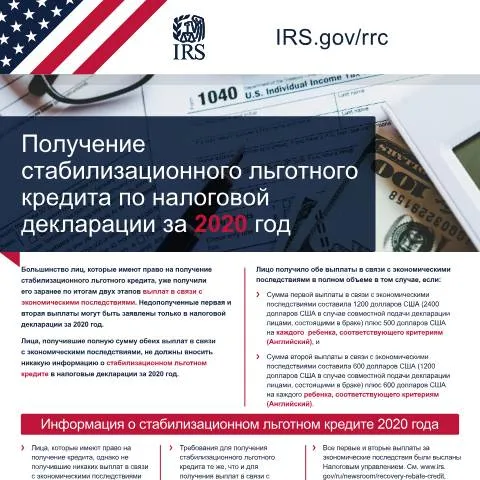
Navigating the IRS Publication 5486RU: Understanding Its Essential Role
In an ever-evolving fiscal landscape, the IRS Publication 5486RU emerges as a crucial element for many taxpayers, particularly those seeking to comprehend their eligibility for recovery rebates due to the economic disruptions of recent years. This publication is tailored to address specific queries related to the Recovery Rebate Credit (RRC) and to guide individuals on how to claim any outstanding amounts from previous payments. The stakes are high; failing to navigate these waters correctly may result in lost financial assistance for those who qualify.
Who Needs to File and Why It Matters
Identifying whether you fall into the category of individuals required to file for the Recovery Rebate Credit is pivotal. Typically, this applies to:
- Individuals who did not receive one or both of the economic impact payments.
- Those who received less than the full amount they were entitled to.
- Taxpayers who usually do not file but became eligible due to unique circumstances in 2020.
Filing the appropriate information can ensure that you receive the financial support you are entitled to, especially if your family situation has changed—such as the birth of a child or changes in income status. To maximize your potential rebate, attention to details outlined in Publication 5486RU is essential.
Understanding the Recovery Rebate Credit Timeline
The timeline surrounding the Recovery Rebate Credit is critical. Here’s how it unfolds:
- Eligibility Notification: Eligibility is primarily based on your 2020 tax return. It’s important to be aware of when the IRS issued the economic impact payments—initially in 2020 and again in 2021.
- Filing Period: The IRS typically sets a filing deadline for tax returns on April 15. For those filing for the RRC, ensure that your 2020 tax return is submitted by this date to avoid penalties.
- Post-Filing Process: After submitting your return, the IRS processes your claim, which can take several weeks. If you’re owed a payment, the IRS will issue it directly based on your provided banking information.
Being proactive about each stage of this timeline will help ensure you don’t miss out on financial assistance.
Diving into the Publication: A Section-by-Section Breakdown
Publication 5486RU is structured to facilitate comprehension of your eligibility for the Recovery Rebate Credit. Here’s what to focus on:
Personal Information Section
Every taxpayer must ensure that their personal information is accurate. This includes:
- Full name
- Social Security Number (SSN)
- Physical address
Errors in this section can lead to delays in processing or even rejection of your claim. Verify that the name matches exactly as it appears on your Social Security card.
Income Information
This part requires you to disclose your adjusted gross income (AGI). Depending on the amount reported, this may affect your eligibility:
- For individuals with an AGI over $75,000, the rebate amount may begin to phase out.
- For married couples filing jointly, the AGI limit is $150,000.
Ensure accuracy here, as it directly correlates to the rebate amount you may receive.
Filing Options: Paper vs. Electronic
The IRS provides multiple avenues for submitting your tax return, and each has its advantages and disadvantages:
| Filing Method | Advantages | Disadvantages |
|---|---|---|
| Paper Filing |
|
|
| Electronic Filing |
|
|
The Distinct Nature of Publication 5486RU
While navigating tax forms and publications, it’s essential to distinguish between similar documents. Publication 5486RU specifically addresses the Recovery Rebate Credit, unlike general tax forms such as Form 1040, which is your annual income tax return. Understanding this distinction can save you time and stress during tax season.
Related Forms and Their Purposes
Several other IRS forms and publications may intersect with your filing:
- Form 1040: This is your main income tax return form, which will include the RRC information if applicable.
- Form 8862: Use this form if you are reclaiming the Earned Income Tax Credit after having it denied in prior years.
- Form 8888: This allows for direct deposit of your refund into multiple accounts, which can be useful for managing your finances.
Each of these forms serves a different purpose in your overall tax filing strategy, and understanding their relationship to the RRC will enhance your filing experience.
Tailoring Your Approach to Special Cases
Not every individual fits into a standard tax filer category. Here are some scenarios to consider:
Non-Filers: What to Do?
If you typically do not file tax returns but believe you qualify for the Recovery Rebate Credit, you still have to file a return. This can include individuals with very low income or those who are dependent on someone else’s tax return. Filing a simplified return may be beneficial.
Dependents and Their Impact
Dependents can also affect your eligibility. If you claimed dependents in your 2020 tax return, ensure that you include their information correctly as it could increase your rebate amount.
Changes in Family Status
For individuals experiencing changes such as marriage, divorce, or the birth of a child, updating your information accurately will ensure that you receive all the benefits you qualify for. The IRS requires that you report any changes in dependency status as it affects your credit eligibility.
After Filing: What Comes Next?
Once you’ve filed your tax return, it’s essential to track its progress. The IRS provides tools to check the status of your refund, which can offer peace of mind:
- Utilize the IRS “Where’s My Refund?” tool on their official website for real-time updates.
- If there are discrepancies, the IRS will send a notice explaining any adjustments.
Being aware of the timelines and processes following your submission can help you respond promptly to any issues that arise.
Final Thoughts on Maximizing Your RRC
The intricacies of IRS Publication 5486RU may seem daunting, but understanding its contents and implications can lead to significant financial support for those eligible. Whether you find yourself filing as a non-filer, dealing with unique family situations, or simply striving for accuracy, the guidance found within this publication is invaluable. Always refer back to IRS.gov for the most accurate information and resources, and don’t hesitate to seek assistance from professionals if needed. The financial future you secure today may depend on the actions you take concerning this vital document.
Understanding IRS Publication 5486RU: Key Takeaways
IRS Publication 5486RU is a critical resource for taxpayers navigating the complexities of the U.S. tax system. This publication specifically addresses the tax treatment of recovery rebates, an important aspect especially in the wake of the economic disruptions caused by the COVID-19 pandemic. Understanding this publication can help taxpayers understand how these rebates affect their tax liabilities, eligibility criteria, and reporting requirements.
Recovery rebates were introduced as part of the economic stimulus efforts, and IRS Publication 5486RU provides detailed guidelines on how these rebates are calculated, who qualifies, and how they should be reported on your federal income tax return. The publication clarifies that the rebate is not considered taxable income, which is a crucial point for taxpayers to internalize. Instead, these rebates are generally subtracted from the amount of taxes owed or added to a refund, depending on individual circumstances.
Additionally, the publication outlines the impact of these rebates on future tax filings, including how to handle discrepancies in rebate amounts reported by the IRS and taxpayers. It emphasizes the importance of accurate tax filing and maintaining records related to rebate payments to ensure compliance with IRS requirements. Taxpayers should reference this publication when preparing their taxes to ensure they understand their eligibility for subsequent rebates and how previous payments might influence their current filings.
Eligibility and Calculation of Recovery Rebates
Determining eligibility for recovery rebates is nuanced and contingent upon various factors, including income levels, filing status, and dependent claims. IRS Publication 5486RU details the income thresholds that affect eligibility, typically based on adjusted gross income (AGI) as reported on your Form 1040. Taxpayers with AGI below certain limits may qualify for the full amount of the recovery rebate, while those above these limits may see a gradual reduction in the rebate amount.
For tax year 2022, it is essential to refer to the latest guidelines provided in the publication, as these thresholds may evolve based on legislation or economic conditions. Moreover, taxpayers must also consider their filing status—whether they are single, head of household, or married filing jointly—as it influences both the income thresholds and the total rebate amounts available.
The publication also discusses how to calculate the rebates for households with dependents. Specifically, the amounts can differ significantly for families with children or other dependents, and this aspect is meticulously explained in the publication. Taxpayers should ensure they correctly identify and report qualifying dependents to maximize their potential rebates. Furthermore, if there were any changes in your family situation, such as a new child or a dependent turning 18, it is crucial to update your filing information accordingly to reflect these changes and adjust your rebate entitlements.
Recordkeeping and Compliance with IRS Requirements
Proper recordkeeping is essential for all taxpayers, particularly when it comes to recovery rebates and their impact on future tax obligations. IRS Publication 5486RU stresses the need for maintaining supporting documentation to substantiate claims related to rebates. Taxpayers should keep copies of any correspondence received from the IRS regarding rebate payments and retain records of their tax returns, including Form 1040 and any associated worksheets or calculations used to determine AGI.
In addition to protecting oneself from potential inquiries from the IRS, maintaining accurate records can assist in resolving any discrepancies that may arise in the future. For instance, if the IRS sends a notice stating that the rebate amount recorded on your tax return does not match their records, having comprehensive documentation can facilitate prompt resolution of these discrepancies.
Taxpayers are also advised to stay informed about updates or changes to tax regulations or IRS publications related to recovery rebates. The IRS website—particularly the .gov domain—serves as the authoritative source for current guidelines and changes in tax law. Regularly checking for updates can help ensure compliance and aid taxpayers in correctly navigating their tax responsibilities.
By understanding the intricacies of IRS Publication 5486RU, taxpayers can better position themselves to leverage the benefits of recovery rebates while adhering to federal regulations, thereby minimizing the risk of potential penalties or issues with their tax filings.