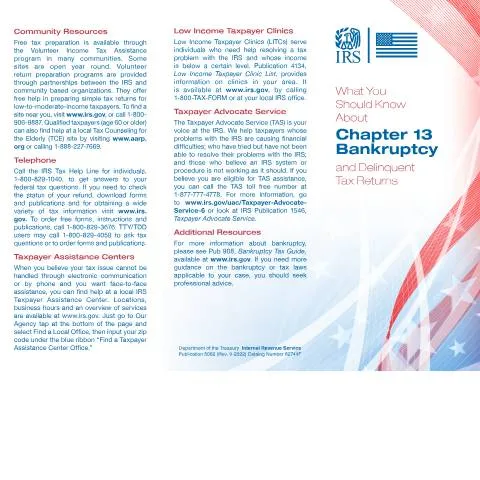
Navigating the Essentials of IRS Publication 5082
When faced with the complexities of tax compliance, particularly during times of financial distress, understanding the intricacies of IRS Publication 5082 can make a significant difference. This publication is specifically tailored for individuals undergoing Chapter 13 bankruptcy, spotlighting the critical interactions between bankruptcy proceedings and tax obligations. The nuances within this document could mean the difference between a smooth restructuring of debts and financial turmoil.
The Unique Role of Publication 5082 in Your Financial Journey
IRS Publication 5082 stands out among various IRS publications and forms due to its specific focus on individuals involved in Chapter 13 bankruptcy. Unlike general tax forms, this document is a guide that outlines the tax implications and requirements for individuals reorganizing their debts. It’s crucial to recognize how this publication differs from standard tax documentation, as it addresses not only the filing of tax returns but also the timing and implications of these filings in the context of bankruptcy.
- Focus on Debtor Responsibilities: This publication emphasizes the responsibilities of debtors in Chapter 13, which includes filing all necessary tax returns before the bankruptcy meeting.
- Tax Obligations: It clarifies that all required tax returns due within four years of the bankruptcy filing must be submitted to ensure compliance and protect the debtor's rights.
Understanding the Chronology of Filing and Responsibilities
The timeline surrounding Publication 5082 is crucial for compliance and successful debt restructuring. When navigating Chapter 13 bankruptcy, the following steps should be followed in chronological order:
- Gather Necessary Tax Documents: Collect all relevant tax documents for the past four years, ensuring that they are accurate and complete.
- File Past Tax Returns: Submit any outstanding returns before the first creditors’ meeting. This is typically a deadline that cannot be overlooked, as it affects the approval of your bankruptcy plan.
- Current Obligations: Stay current with any taxes that become due after the bankruptcy case commences. Failing to file these returns can lead to complications in your restructured payment plan.
- Maintain Communication with the IRS: If you receive any correspondence regarding your tax filings, respond promptly to avoid jeopardizing your bankruptcy status.
Critical Deadlines to Keep in Mind
Understanding the critical deadlines associated with IRS Publication 5082 is essential for any individual considering or undergoing Chapter 13 bankruptcy:
| Action | Deadline |
|---|---|
| File past tax returns | Before the first meeting of creditors (120 days before the meeting, if necessary) |
| File current tax returns | As they become due during the bankruptcy case |
| Respond to IRS correspondence | Within the timeframe specified in the correspondence |
Examining Special Considerations for Unique Situations
Publication 5082 also addresses particular scenarios that may arise based on individual circumstances. Understanding these nuances can aid in navigating potential complications:
Foreign Nationals and Tax Obligations
Foreign nationals residing in the United States and facing bankruptcy must be aware of their tax obligations under U.S. law. Depending on their residency status, they may have different filing requirements. It’s advisable for these individuals to consult a tax professional who is knowledgeable about both U.S. tax law and international tax treaties. This will ensure compliance with obligations while also taking advantage of any applicable exemptions or credits.
Minors and Bankruptcy Considerations
For minors, navigating tax obligations during bankruptcy can be particularly complex. If a minor is involved in a bankruptcy filing, the responsibility typically falls to the guardian. Guardians must ensure that all required tax returns are filed on behalf of the minor to protect their financial future.
Urgent Situations and Bankruptcy
In cases where urgency is paramount—such as potential foreclosure or repossession—debtors must act swiftly. Publication 5082 outlines the importance of filing all required tax returns promptly to avoid delays in the bankruptcy process. Engaging an attorney or a tax professional can provide additional support in these high-stakes situations.
The History Behind IRS Publication 5082
To fully understand the importance of Publication 5082, it's essential to grasp its historical context and the legal frameworks that inform it. Chapter 13 bankruptcy was established to allow individuals to reorganize their debts while maintaining their assets. The IRS, through its publications, aims to provide clarity on tax obligations during this process, ensuring that debtors understand their responsibilities and rights.
This publication has evolved alongside changes in bankruptcy laws and tax regulations. The importance of timely tax filings within the bankruptcy process cannot be overstated, as failure to comply can lead to significant consequences, including dismissal of the bankruptcy case.
Decoding the Sections of Publication 5082
Publication 5082 contains several key sections that require careful attention. Each section outlines specific requirements and potential pitfalls for individuals filing under Chapter 13:
Filing Requirements
The publication specifies that all required tax returns due within four years prior to the bankruptcy filing must be submitted. This includes federal, state, and local tax returns. Understanding the criteria for what constitutes a "required return" is critical for compliance.
Implications for Non-filing
Failing to file the required tax returns can have severe repercussions, including the potential conversion of the Chapter 13 case to a Chapter 7 liquidation or outright dismissal of the bankruptcy petition. Interest and penalties may accrue on returns not filed by the due date, creating additional financial burdens for the debtor.
Submission Verification
Debtors must establish proof of filing to comply with the bankruptcy trustee's requirements. This may involve obtaining transcripts of filed tax returns through IRS channels. The significance of maintaining accurate records cannot be overstated, as these documents serve as evidence of compliance.
Support for Non-filers
For individuals who have not filed required returns, the publication provides guidance on steps to take. This includes resources for obtaining necessary forms and instructions, as well as potential avenues for securing professional assistance to navigate the filing process.
How the IRS Processes Your Submissions
The IRS has a defined process for handling tax returns in the context of bankruptcy. Understanding how to navigate this process can significantly affect the outcome of your bankruptcy case.
Tracking Your Submission
Once tax returns are submitted, individuals can track their status through the IRS website or by contacting the IRS directly. Keeping a record of communications and submissions is essential in case of discrepancies or delays.
Engaging with the Bankruptcy Trustee
Communication with the bankruptcy trustee is crucial. The trustee acts as a liaison between the debtor and the court, ensuring that all required documentation is in place. If issues arise, address them promptly to avoid complications with the bankruptcy plan.
Utilizing Resources to Navigate Your Tax Responsibilities
For individuals facing the complexities of Chapter 13 bankruptcy, numerous resources can provide assistance:
- Volunteer Income Tax Assistance (VITA): Community-based programs providing free tax preparation services to eligible individuals.
- Taxpayer Advocate Service (TAS): An independent organization within the IRS that offers assistance to taxpayers facing difficulties with the IRS.
- IRS Resources: The IRS website features a wealth of information regarding tax filing and compliance for individuals undergoing bankruptcy.
Individuals considering or involved in Chapter 13 bankruptcy should familiarize themselves with IRS Publication 5082 and its implications for their financial future. By understanding the responsibilities outlined in this publication and utilizing available resources, debtors can navigate their tax obligations with confidence and clarity.