Understanding IRS Publication 5924: The Key to Tax Preparers for Small Businesses
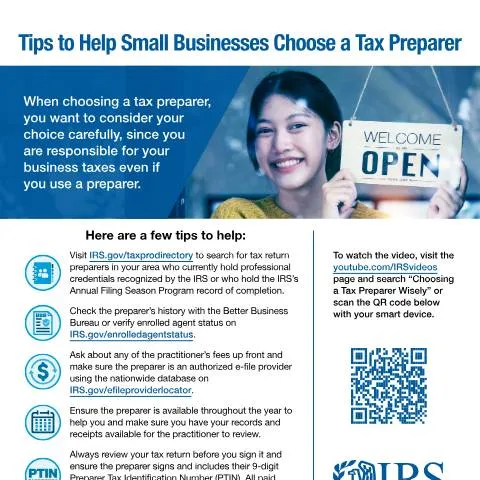
When navigating the intricate landscape of tax obligations, small business owners often face a challenging decision: selecting the right tax preparer. This decision can significantly impact their financial health and compliance with the IRS regulations. IRS Publication 5924, titled "Tips to Help Small Businesses Choose a Tax Preparer," serves as an essential guide for businesses aiming to make informed choices regarding tax professionals.
Navigating the Tax Preparer Landscape: Who Needs to Know About PUB-5924?
Publication 5924 is particularly relevant for small business owners who are either filing taxes independently or looking to engage a tax preparer for the first time. With the complexity of tax laws, it is crucial for these individuals to understand the nuances of selecting a qualified professional. Here's a breakdown of who might find this publication especially useful:
- Startups: New businesses often lack experience with tax filings and can benefit from guidance on engaging preparers who understand their unique challenges.
- Established Small Businesses: Owners who have previously managed their own taxes may find the need for professional assistance as their operations scale.
- Nonprofit Organizations: Nonprofits must adhere to specific tax requirements and can greatly benefit from knowledgeable tax preparers.
No matter the business type, the insights provided in Publication 5924 are designed to empower owners to make decisions that protect their interests and ensure compliance with IRS regulations.
A Distinctive Guide: How PUB-5924 Stands Apart from Other IRS Publications
It's critical to recognize what sets Publication 5924 apart from other IRS documents. Unlike general tax guidelines or filing instructions found in documents such as Form 1040 instructions or Publication 15 (Circular E), this publication zeroes in on the relationship between taxpayers and tax preparers. Here are several characteristics that make it unique:
- Focus on Professional Standards: While other publications might provide broad tax compliance information, PUB-5924 emphasizes the criteria for determining the qualifications of tax preparers.
- Practical Advice: This publication includes actionable tips that can help small business owners actively engage in selecting and managing their preparer relationships.
- Reminder of Responsibilities: Unlike standard tax documents, PUB-5924 underscores that ultimately, the business owner remains responsible for the accuracy of their tax returns, regardless of who prepares them.
The Integral Role of IRS Publication 5924 in the Tax Preparation Process
Understanding the role of Publication 5924 within the greater context of tax preparation can help small business owners appreciate its significance. This document serves several crucial functions:
- Education: It educates business owners about the tax preparation process and what to look for in a good preparer.
- Guideline Development: Provides clear guidelines that can help narrow down the candidate list of potential tax preparers.
- Trust Building: By following the tips in this publication, business owners can build trust with their chosen preparer and ensure a smoother filing process.
Preparation for Engaging a Tax Preparer: Essential Documentation
Engaging a tax preparer requires more than just selecting a name from a directory. The business owner must prepare essential documentation in advance to make the most of their preparer's services. Here’s a closer look at the documents required and their significance:
1. Financial Records
Tax preparers need a comprehensive view of your business finances. This includes:
- Profit and Loss Statements: An overview of income and expenses will give the preparer insight into operational performance.
- Balance Sheets: These documents reflect the overall financial health of the business at a given time.
2. Prior Year Tax Returns
Providing the previous year's tax return can help the preparer understand your tax situation and identify any carryover items or credits.
3. Business Registration Documents
Tax preparers may require proof of business registration, such as Articles of Incorporation or a business license, to ensure compliance with local laws.
4. Identification Numbers
Having your Employer Identification Number (EIN) or Social Security Number (SSN) ready is vital. These identifiers are necessary for both federal and state tax filings.
5. Receipts and Documentation of Deductions
Organizing receipts for deductible expenses can maximize tax benefits. This includes:
- Business Expenses: Meaningful documentation for travel, office supplies, and other business-related costs.
- Employee Expenses: If applicable, records concerning wages, benefits, and payroll taxes.
Step-by-Step: From Initial Contact to Final Submission
Understanding the timeline of engaging a tax preparer can alleviate stress and ensure all necessary steps are followed. Here's a general outline of the process:
- Initial Research: Use resources like IRS.gov/taxprodirectory to search for qualified tax preparers in your area.
- Interviews: Once potential preparers are shortlisted, conduct interviews to discuss their approach and fees.
- Document Gathering: Prepare and compile all necessary documents as previously outlined.
- Engagement Letter: If you find a suitable preparer, ensure you sign an engagement letter outlining the scope of services.
- Review of Draft Returns: Before final submission, review the prepared tax return carefully to verify all information is accurate.
- Submission: Once confirmed, ensure the return is filed either electronically or via mail, depending on your preparer's method.
Facing Challenges: Navigating Issues with Your Tax Preparer
Not all engagements go as planned. Understanding what to do if issues arise ensures that business owners can address challenges promptly:
1. Incomplete or Incorrect Returns
If a return has been submitted with errors, it’s essential to:
- Contact your preparer immediately to discuss corrections.
- File an amended return using Form 1040-X if necessary to rectify the error.
2. Disputes Over Fees
Disagreements regarding fees can occur. To resolve these:
- Review the initial engagement letter to clarify agreed-upon fees.
- Attempt to negotiate a resolution directly with the preparer.
3. Unsatisfactory Service
If the service provided does not meet professional standards:
- Document your concerns and discuss them directly with the preparer.
- If unresolved, consider reporting them to the IRS through Form 14157 or Form 14157-A.
Tracing the History: The Evolution of IRS Publication 5924
IRS Publication 5924 is not merely a static document; it has evolved to meet the needs of modern taxpayers. Understanding its historical context can provide insights into its current role:
- Initial Release: As tax laws became more complex during the late 20th century, the IRS recognized the need for guidance tailored to small businesses.
- Revisions: With ongoing changes in tax legislation, the publication has undergone revisions to remain relevant and useful.
- Current Focus: The emphasis is increasingly on education and empowerment, helping small businesses leverage professional expertise effectively.
Overall, IRS Publication 5924 serves a pivotal role in guiding small business owners in their quest to select competent and reliable tax preparers.
Understanding IRS Publication 5924: Key Takeaways and Implications
IRS Publication 5924 provides essential guidelines for taxpayers regarding the treatment of income from certain types of financial activities, particularly in relation to foreign income and the complexities involved in reporting these on tax returns. This publication serves as a crucial resource for individuals and businesses that have financial interests overseas and need to comply with U.S. tax obligations while taking advantage of available foreign tax credits and exclusions.
One of the main aspects of Publication 5924 is the clarification it offers on the reporting requirements for foreign income. Taxpayers must be aware that not all foreign income is created equal; types of income such as wages, dividends, and interest from foreign sources must be reported differently. For example, when reporting foreign earned income, taxpayers must complete Form 2555 to possibly exclude a portion of their income based on the Foreign Earned Income Exclusion, which is subject to specific eligibility criteria.
Moreover, understanding the implications of foreign financial accounts under the Foreign Account Tax Compliance Act (FATCA) is vital. Many taxpayers are required to file Form 8938, Statement of Specified Foreign Financial Assets, if their foreign financial assets exceed certain thresholds. Failing to comply with these reporting requirements can lead to substantial penalties, highlighting the importance of being informed and diligent regarding foreign income and asset reporting.
Common Mistakes to Avoid When Using IRS Publication 5924
Taxpayers often make a variety of mistakes when navigating the complexities surrounding foreign income and the associated IRS forms. Understanding these pitfalls is crucial for accurate reporting and the avoidance of penalties. One common mistake is misclassifying types of foreign income. For instance, failing to recognize that income from foreign partnerships or trusts must be reported differently than traditional foreign earned income can lead to incorrect filings.
Another frequent error involves misunderstanding the interaction between foreign tax credits and foreign earned income exclusions. Many taxpayers assume they can claim both, but generally, utilizing one may impact the ability to claim the other. Therefore, consulting IRS Publication 5924 and possibly seeking the guidance of a tax professional for understanding these interactions can save taxpayers from costly mistakes.
Additionally, individuals often overlook the significance of deadlines and changes in tax laws that can affect their filings. The IRS updates forms and publications periodically, thus staying current with revisions to IRS Publication 5924 and related forms is crucial. Missing a change in filing requirements or deadlines can lead to missed opportunities or unintentional noncompliance.
Resources for Further Assistance and Continuing Education
Taxpayers seeking a deeper understanding of IRS Publication 5924 and its implications for their tax situation have access to various resources. The IRS offers a plethora of materials, including online tutorials, webinars, and FAQs that cover the intricacies of reporting foreign income and financial interests.
In addition to IRS resources, professional tax preparation services provide valuable insights, especially for individuals with complex financial situations. Many tax accountants specialize in international taxation and can offer personalized guidance tailored to individual needs, helping taxpayers navigate the nuances of IRS regulations effectively.
Furthermore, community organizations and financial education workshops also serve as excellent resources for individuals looking to enhance their financial literacy, particularly in areas relating to taxes and foreign income. Engaging with these resources not only aids in compliance but also empowers taxpayers to make informed financial decisions.