Navigating the Complexities of USCIS Form I-690
The path to lawful residency in the United States is often fraught with challenges, particularly for individuals facing grounds of inadmissibility. In such instances, Form I-690, the Application for Waiver of Grounds of Inadmissibility, becomes a crucial tool. Understanding the nuances of this form can significantly impact the likelihood of a successful application.
Unpacking the Purpose of Form I-690
The importance of Form I-690 cannot be overstated. It serves as a formal request to waive specific grounds of inadmissibility under sections 245A or 210 of the Immigration and Nationality Act (INA). Whether it’s due to past immigration violations or criminal history, the form is a vital step for those seeking to rectify their status and gain lawful entry into the U.S.
Who Needs This Form?
Applicants may include a wide demographic:
- Individuals with Past Violations: Those with previous immigration infractions.
- Criminal Convictions: Applicants who may have minor criminal records affecting their admissibility.
- Special Circumstances: Minors, elderly applicants, or those facing extenuating circumstances may also require this waiver.
Steps to Completing Form I-690
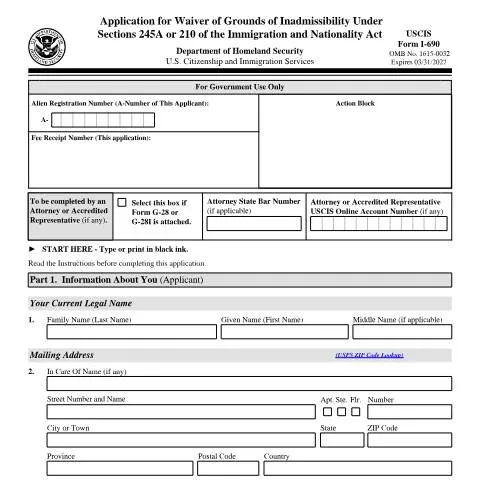
Completing Form I-690 requires attention to detail and adherence to specific guidelines. The document is divided into several sections that require accurate information about the applicant.
Information Required
The form collects personal details, including:
- Full Name: Your current legal name, ensuring accuracy for identification.
- Contact Information: Physical and mailing addresses should be clearly stated.
- Date of Birth and Immigration Status: Essential for determining eligibility.
In addition to personal information, applicants must also provide details about their family and immediate relatives in the U.S., including their immigration status, which can play a role in the waiver process.
Filling the Form: A Step-by-Step Guide
- Gather Necessary Documents: Collect all relevant documents that support your case, including prior immigration records and any related legal documents.
- Complete Parts 1 and 2: Navigate through providing personal information and details about your relatives. Be thorough and accurate.
- Specify Grounds for Waiver: Clearly indicate which grounds of inadmissibility you are requesting a waiver for by checking the relevant boxes.
- Review: Before submitting, ensure that all information is up-to-date and correct, as errors can lead to delays or denials.
Submission Protocols for Form I-690
Once the form is completed, understanding how and where to submit it is crucial. The submission process involves specific steps to ensure your application is properly filed with USCIS.
Where to File
Form I-690 must be sent to the appropriate address based on your current residency. Always refer to the latest USCIS guidelines to ensure accuracy.
Filing Fees and Payment Methods
While there are no fees associated with filing Form I-690, applicants should verify the current regulatory framework to avoid surprises. Depending on the type of case, other fees may be involved later in the process.
Timing: Key Dates and Deadlines
Understanding the timeline for the submission and processing of Form I-690 can help applicants plan their next steps.
Important Dates
| Activity | Deadline |
|---|---|
| Form Submission | As soon as grounds of inadmissibility are identified |
| Follow-Up Response from USCIS | Typically within 60-90 days |
| Final Decision | Varies based on case complexity |
Handling Complications: What if Things Go Wrong?
Not all submissions lead to success. Understanding the potential pitfalls and knowing how to react can make a significant difference.
Addressing Denials
If Form I-690 is denied, it’s vital to assess the reasons listed by USCIS and explore options for redress. This could include:
- Filing an appeal
- Reapplying with additional documentation
- Seeking legal counsel for further advice
Missing Documentation
Should USCIS request additional evidence, responding promptly and thoroughly is essential. Delays in providing requested information can jeopardize your application’s status.
Understanding the Broader Context: Form I-690 in the Immigration Process
Form I-690 is just one piece in a larger puzzle of immigration processes. Its role is often interconnected with other forms and applications.
Interrelation with Other Applications
For instance:
- Form I-485: Application for Adjustment of Status; often submitted alongside or after Form I-690.
- Form I-601: Application for Waiver of Grounds of Inadmissibility; could be confused with Form I-690 but serves different purposes.
Case Studies: Success Stories and Learning Points
Real-life examples illustrate the practical implications of Form I-690. These scenarios can provide insight into what to expect during the application process.
Case Study 1: Overcoming Criminal History
Consider the story of an applicant whose past minor criminal charges rendered them inadmissible. By meticulously documenting mitigating circumstances and demonstrating rehabilitation efforts through Form I-690, they successfully obtained a waiver.
Case Study 2: Minors Seeking Waivers
In another instance, a minor applicant with a parent who faced deportation utilized Form I-690 to request a waiver. Their unique situation highlighted the importance of legal representation and thorough documentation in facilitating success.
These examples serve as powerful reminders of both the possibilities and complexities surrounding Form I-690.
Key Takeaways for Future Applicants
As you prepare to navigate the intricacies of the Form I-690 filing process, consider the following practical tips:
- Engage with immigration specialists or legal counsel for tailored advice.
- Stay updated on any policy changes from USCIS that might affect your application.
- Be transparent and comprehensive in all provided information to avoid complications.
By following these guidelines and understanding the deeper complexities of Form I-690, applicants can significantly enhance their chances of a favorable outcome in their immigration journey.
Understanding the Purpose of Form I-690: Waiver of Grounds of Inadmissibility
Form I-690, officially known as the "Application for Waiver of Grounds of Inadmissibility," is designed for individuals seeking to obtain a waiver for specific grounds of inadmissibility to the United States. It is essential to grasp the context in which this form is utilized, as it serves as a critical step in many immigration processes. Typically, grounds of inadmissibility can stem from various issues, including criminal convictions, immigration violations, or health-related concerns.
Understanding the nuances of Form I-690 is vital for applicants who may find themselves facing these barriers. For instance, individuals with certain criminal backgrounds might be inadmissible under Section 212(a) of the Immigration and Nationality Act (INA). However, they may be eligible to apply for a waiver if they can demonstrate that their admission would not be contrary to the national interest of the United States. Key to this process is evidence that shows rehabilitation and good moral character, which can significantly influence the outcome of the application.
Another critical aspect of Form I-690 is the importance of timely submission. Applicants must be aware that the waiver application should be filed concurrently with the relevant immigration application, such as an application for adjustment of status (Form I-485). Failing to file the waiver request in a timely manner can result in delays or even denials of immigration benefits. Additionally, applicants should keep in mind that the adjudication of Form I-690 can take several months, so careful planning and organization of documentation are necessary to avoid unnecessary setbacks.
Steps to Prepare and Submit Form I-690 Effectively
Preparing Form I-690 requires thorough attention to detail, as any inaccuracies or omissions can lead to delays or rejection. To ensure a smooth submission process, applicants should follow a series of strategic steps:
- Research Eligibility: Before beginning the application process, it is crucial to determine whether you qualify for a waiver based on the specific grounds of inadmissibility you face. This often involves reviewing the relevant sections of the INA and understanding the specific requirements that apply to your situation.
- Compile Supporting Documents: Gather all necessary documentation that supports your request for a waiver. This may include police records, court documents, medical records, and letters of support from family, friends, or employers that attest to your character and rehabilitation.
- Complete the Form Accurately: When filling out Form I-690, it’s essential to provide accurate and truthful information. Be thorough in answering each question, and don’t hesitate to consult legal resources or professionals if you encounter uncertainties.
- Write a Personal Statement: Many successful waiver applications include a personal statement that outlines your circumstances, explains why a waiver is justified, and highlights any positive contributions you have made to the community. This statement can be a powerful tool for demonstrating good moral character.
- Submit the Application: After completing the form and compiling all supporting documents, review everything for accuracy. Once confident that the application is complete, submit it to the appropriate USCIS office based on the instructions provided on the form. Remember to include the required filing fee, if applicable, and keep copies of everything you submit.
- Track Your Application: After submission, monitor the status of your Form I-690 application through the USCIS website using your receipt number. Staying informed can help you be proactive in responding to any requests for additional information from USCIS.
Common Challenges and Solutions When Filing Form I-690
Filing Form I-690 can come with its share of challenges, often due to the complexity of immigration law and the personal circumstances of the applicants. Here, we’ll explore some common hurdles and provide potential solutions:
- Incomplete Applications: One of the most frequent issues is submitting an incomplete application. To mitigate this risk, create a checklist based on the USCIS instructions for Form I-690. This checklist should include each document required and a review of the form to ensure that all questions have been answered.
- Inadequate Evidence: Applicants may struggle with providing sufficient evidence to support their waiver request. To build a robust case, thoroughly document your circumstances. Seek letters of recommendation from community leaders, employers, or family members, and include any additional evidence that demonstrates your rehabilitation or contributions to society.
- Delays in Processing: The processing times for Form I-690 can vary significantly depending on the workload of USCIS. To prepare for potential delays, file your application as early as possible and maintain regular communication with USCIS to check on your application status.
- Legal Representation: Many applicants find it beneficial to seek the assistance of an immigration attorney, especially when dealing with complex issues of inadmissibility or if their case is likely to be contentious. An experienced attorney can offer guidance tailored to your specific situation, ensuring that your application is as strong as possible.
- Response to Requests for Evidence (RFEs): If USCIS issues a Request for Evidence, respond promptly and thoroughly. RFEs are common and can be navigated effectively by ensuring that all requested information is provided accurately. It’s essential to adhere to the deadlines provided in the notice to avoid jeopardizing your application.