Navigating the Intricacies of USCIS Form I-602: A Comprehensive Guide
Imagine being a refugee in the United States, seeking a waiver for grounds of inadmissibility while hoping for a new beginning. This is where USCIS Form I-602 comes into play. Understanding how to navigate this form can make all the difference in your immigration journey.
Understanding the Purpose of Form I-602
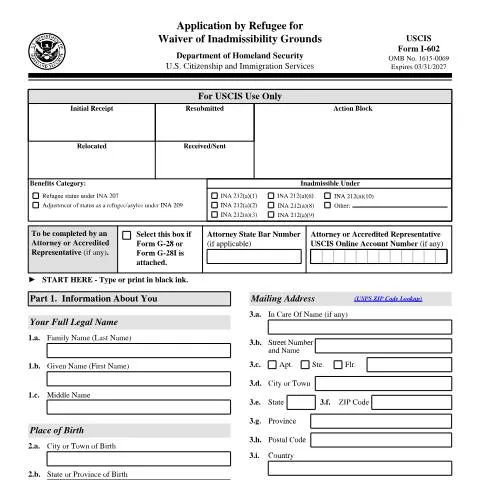
The USCIS Form I-602, titled "Application by Refugee for Waiver of Inadmissibility Grounds," is designed specifically for refugees and asylees who face potential barriers due to inadmissibility clauses. These may include medical, criminal, or other issues that could complicate their immigration status. The waiver allows eligible individuals to overcome these hurdles and pursue lawful permanent residency.
Why Seek a Waiver?
- To adjust your status from refugee or asylee to a lawful permanent resident.
- To address issues such as communicable diseases or criminal history hindering your application.
- To avail of exemptions from certain requirements based on religious or moral grounds.
Who Should Consider Submitting Form I-602?
USCIS Form I-602 is not only for those who have been denied status but also for individuals who foresee potential complications in their immigration journey. This includes:
- Refugees and asylees with a medical condition that may fall under inadmissibility criteria.
- Individuals with past criminal convictions.
- Those who have received advice indicating potential inadmissibility under U.S. immigration law.
Eligibility Criteria
To qualify for a waiver using Form I-602, applicants must meet specific criteria, including:
- Must be a refugee under INA Section 207 or seeking asylum under INA Section 208.
- Demonstrate the reason for inadmissibility and the need for the waiver.
- Provide supporting documentation to substantiate claims.
A Step-by-Step Guide to Completing Form I-602
Filling out Form I-602 can seem daunting. Here’s a tailored breakdown to simplify the process:
Part 1: Information About You
This section requires personal details such as:
- Your full legal name, including family, given, and middle names.
- Your place of birth, which includes city, state, and country.
- Your physical address and current status in the U.S.
Part 2: Reasons for Inadmissibility
It's crucial to select the appropriate grounds for your inadmissibility. Carefully review the options and check all that apply. This section addresses various reasons, including:
- Health-related issues and communicable diseases.
- Criminal activities or past convictions.
- Violations of U.S. laws or regulations.
Important Considerations When Completing the Form
Accuracy is paramount. Any errors or omissions can lead to delays or denials. Here are some tips:
- Use black ink and write clearly.
- Double-check all information for accuracy.
- Ensure all applicable documents are attached.
Where to Submit Form I-602
Once completed, the next step is submission. Address your application to the appropriate USCIS office based on your current status and location:
| Current Status | Submission Address |
|---|---|
| Outside the U.S. | USCIS, P.O. Box 660155, Dallas, TX 75266 |
| Inside the U.S. | USCIS, Attn: I-602, P.O. Box 805887, Chicago, IL 60680 |
Timeline: From Submission to Decision
Understanding the timeline of the application process can help manage expectations. Here’s what to anticipate:
- Submission: After sending your application, wait for the receipt notice.
- Processing: USCIS will review your application, which may take several months. Use the receipt number to check your case status online.
- Decision: You will receive a decision by mail, whether approval or denial.
What Happens If Your Application is Denied?
If your waiver request is denied, don’t be discouraged. You have options:
- Review the denial notice carefully to understand the reasons.
- Consider filing an appeal or motion to reopen the case.
- Seek legal assistance to explore other avenues for immigration relief.
Tracking Your Application: Staying Informed
Keeping track of your application can alleviate anxiety during the waiting period. Here’s how to stay informed:
- Utilize the USCIS online case status tool with your receipt number.
- Be proactive in checking for any requests for additional information from USCIS.
- If you don’t receive communication for an extended period, consider contacting USCIS for updates.
Engaging with USCIS Representatives
If you encounter difficulties, engaging with a USCIS representative can provide clarity. Here are some options:
- Contact the USCIS National Customer Service Center for general inquiries.
- Seek assistance from local immigration services or legal aid organizations.
Special Considerations for Unique Situations
Each applicant's situation can vary greatly. Special scenarios may require tailored approaches. Consider these:
Minors and Vulnerable Individuals
For minors applying for waivers, special considerations may include:
- Guardianship issues where a legal guardian needs to act on their behalf.
- Additional documentation may be required to substantiate the child’s claims.
Urgent Situations
In cases of urgent humanitarian concerns, such as medical emergencies, it may be possible to expedite the processing. Document all pertinent details and submit them along with your application.
Key Takeaway: Always underscore the urgency of your situation in applicable sections of the form and documentation.Final Thoughts: Preparing for Your Immigration Journey
Completing Form I-602 is a critical step for many refugees seeking a fresh start in the United States. By understanding the form’s purpose, eligibility criteria, and the submission process, you can enhance your chances of a successful outcome. Whether you encounter obstacles or need to follow up on your application, staying informed and proactive will empower your immigration journey.
Understanding the Purpose of Form I-602
Form I-602, officially known as the Application of Waiver of Grounds of inadmissibility, is a vital tool for certain applicants seeking to waive specific grounds of inadmissibility to the United States. It primarily serves individuals who are otherwise eligible for admission or adjustment of status but face disqualifications due to previous immigration violations, criminal conduct, or other legal barriers. Understanding the precise circumstances under which to file Form I-602 is essential for applicants to navigate the complexities of U.S. immigration law effectively.
One key aspect to consider is that Form I-602 is typically utilized by individuals who are applying for a visa or those who are adjusting their status while already in the U.S. This form is not applicable to all grounds of inadmissibility; thus, potential users must carefully examine the specific reasons for their inadmissibility. Common grounds include those related to criminal activity, unlawful presence, and certain health-related issues. Understanding where you stand in relation to these grounds will aid in preparing a solid application.
Eligibility Criteria for Filing Form I-602
Eligibility to file Form I-602 hinges on multiple factors, specifically the type of inadmissibility you are facing. Generally, individuals must demonstrate that they are eligible for another immigration benefit. This can include family-based petitions, employment-based applications, or refugee status. However, not every applicant facing inadmissibility qualifies for a waiver; thus, understanding personal circumstances is paramount.
In some cases, individuals might need to argue compelling reasons for why a waiver should be granted, particularly if the grounds for inadmissibility are significant. For instance, those who have committed serious crimes may face a higher bar for successfully obtaining a waiver. It’s crucial to compile substantial evidence supporting the application, which may include character references, proof of rehabilitation, or documentation of hardship that may be faced by U.S. citizen family members if the waiver is not granted.
Moreover, applicants should also be aware of timing and procedural requirements. Filing Form I-602 can only take place after a specific inadmissibility determination has been made; hence, understanding the sequence of immigration proceedings is essential. Always consult the most current guidelines from USCIS and consider seeking assistance from legal experts in immigration law to ensure your eligibility criteria are accurately assessed.
Filing Process: Step-by-Step Guidance
Filing Form I-602 involves several critical steps, each designed to ensure that applicants provide the necessary information and documentation to USCIS. The first step is to correctly fill out the form itself. Ensure that all sections are completed thoroughly and accurately, as errors or omissions can lead to delays or denials. Obtaining the most recent version of Form I-602 from the USCIS website is essential, as forms are subject to updates and changes.
Once the form is completed, the next step is gathering supporting documentation. This may include personal statements, evidence of the grounds of inadmissibility, and any other documentation that supports the case for a waiver. It's advisable to organize these documents clearly, referencing corresponding sections of Form I-602, to facilitate the review process by USCIS officials.
Next, applicants must pay the required filing fee. The fee is subject to change, so always verify the current amount before submission. Payment can typically be made via check or money order, and it should be made out to "U.S. Department of Homeland Security." Following fee payment, prepare and send the entire application package to the appropriate USCIS address as indicated in the form instructions.
After submission, applicants should keep copies of everything filed, as well as any correspondence received from USCIS. Tracking the status of the application can be done through the USCIS Case Status tool. This online tool allows applicants to receive updates on the progress of their case, which is particularly critical in managing timelines and expectations.
Common Pitfalls and How to Avoid Them
When filing Form I-602, applicants may encounter several common pitfalls that can significantly hinder the success of their waiver application. One major mistake is failing to provide comprehensive and compelling evidence that justifies the need for a waiver. USCIS places great emphasis on demonstrating extreme hardship to U.S. citizen or lawful permanent resident family members. Therefore, outlining the specific hardships and supporting them with documentation—such as medical records, financial statements, and personal affidavits—can make a substantial difference in the outcome.
Another frequent issue is neglecting to comply with the stipulated deadlines. USCIS has strict timelines for submissions, and any lapse can result in the automatic denial of the application. Applicants must also be mindful of the repercussions of submitting incomplete or inaccurate forms, as these will lead to Requests for Evidence (RFEs) or outright denials. Taking the time to review the form and consult legal experts can help mitigate these risks.
Additionally, another common pitfall relates to the handling of criminal records. Applicants should be transparent about their history, as failure to disclose relevant information can lead to severe consequences, including additional grounds of inadmissibility. Instead of obscuring past offenses, presenting a clear narrative about rehabilitation efforts and current character can be more beneficial.
Finally, it’s crucial for applicants to understand that the likelihood of approval for Form I-602 varies greatly depending on individual circumstances. Therefore, it is wise to approach the process with a realistic mindset and prepare for various outcomes. Seeking legal assistance can provide insights into the strengths and weaknesses of an application based on current immigration trends and policies.