Understanding the Gravity of Drug Seizure: A Case Study of Document DrugSeizure100918
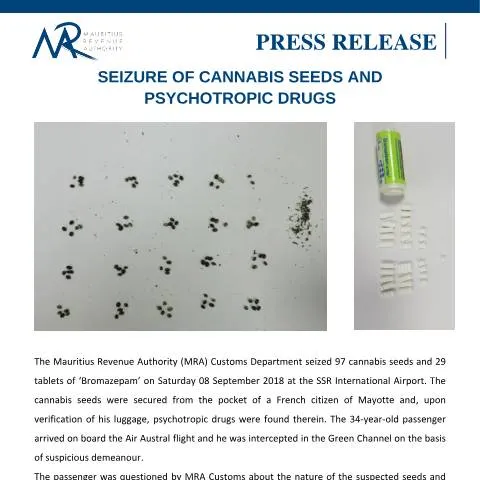
On September 8, 2018, an incident at SSR International Airport in Mauritius underscored the critical role of Document DrugSeizure100918 in the enforcement of drug laws. The Mauritius Revenue Authority (MRA) Customs Department seized 97 cannabis seeds and 29 tablets of psychotropic drugs from a passenger, revealing the complexities surrounding drug enforcement and the administrative processes that follow. This document plays a pivotal role in officially recording and managing drug seizure incidents, forming a basis for subsequent legal and administrative actions.
Who is Responsible for Filing Document DrugSeizure100918?
The responsibility for filing this document primarily lies with the MRA, particularly the Customs Department. This document is filled out following the apprehension of an individual found in possession of illegal drugs. In the highlighted case, the passenger, a 34-year-old French citizen from Mayotte, fell under the scrutiny of the MRA due to suspicious behavior in the Green Channel. Here’s a breakdown of the circumstances:
- Passenger Profile: A foreign national arriving by air.
- Reason for Seizure: Possession of cannabis seeds and psychotropic drugs without a prescription.
- Initial Encounter: Interrogation by Customs officers resulting in a formal record.
It is essential for Customs officers to thoroughly document these incidents to facilitate legal proceedings and to inform further investigative actions taken by agencies such as the Anti-Drug and Smuggling Unit (ADSU).
The Role of Document DrugSeizure100918 in Legal Proceedings
This document is not merely a bureaucratic formality; it serves as an official record that initiates the legal proceedings against the individual in question. After the initial seizure is recorded, several steps follow:
- Legal Notification: The individual is notified of the breach of the Dangerous Drugs Act.
- Investigation: The case is handed over to the ADSU for further investigation.
- Evidence Compilation: The document serves as vital evidence detailing the circumstances of the seizure.
Thus, the proper completion and submission of Document DrugSeizure100918 are crucial in ensuring the integrity of the judicial process.
Navigating the Complexities: Cases with Special Conditions
When it comes to drug seizures, not all cases are straightforward. Various factors can complicate the filing of Document DrugSeizure100918:
- Foreign Nationals: Different legal frameworks may apply based on the nationality of the individual.
- Minors: Special considerations need to be taken into account for individuals under 18.
- Seizures during Emergencies: Circumstances like natural disasters or heightened security alerts can necessitate immediate action without prior documentation.
In these instances, it becomes paramount for Customs officers to remain vigilant and adapt their procedures to ensure compliance with both local and international laws.
Decoding the Form: A Breakdown of Required Information
Document DrugSeizure100918 comprises several sections that require precise information. Each detail is instrumental in building a comprehensive case. Here’s a closer look at the critical sections of the document:
| Section | Description | Common Pitfalls |
|---|---|---|
| Personal Details | Includes name, nationality, and contact details of the seized individual. | Incorrect or incomplete personal information can delay proceedings. |
| Type of Seized Substance | Description of the drugs and quantity seized. | Failing to accurately describe the substances can hinder legal actions. |
| Circumstances of Seizure | A detailed account of how the drugs were discovered. | Omitting key details can weaken the case against the seized individual. |
| Witness Information | Names of Customs officers or witnesses present during the seizure. | Forgetting to include witnesses can lead to challenges in court. |
Careful attention to detail in these sections is essential for effective enforcement of drug laws.
Document DrugSeizure100918 vs. Other Seizure Forms: What Sets It Apart?
While several forms may be relevant in similar contexts, Document DrugSeizure100918 is unique in its specific focus on the seizure of drugs, particularly under the Dangerous Drugs Act. Here’s how it differs:
- Scope: Primarily focused on cannabis and psychotropic substances.
- Legal Framework: Governed by specific provisions under Mauritian law pertaining to drug offenses.
- Subsequent Actions: This document triggers additional procedures uniquely tailored for drug-related offenses.
The specificity of this document is critical in ensuring that the appropriate legal actions are taken against those who violate drug laws.
Gathering the Necessary Supporting Documents
When filing Document DrugSeizure100918, certain supporting documents enhance the validity of the claims made within. These documents not only support the case but also facilitate the administrative processes involved:
- Identification Documents: A copy of the individual’s passport or national ID.
- Legal Notices: Any previous legal documents related to the individual’s history with drug offenses.
- Evidence of Seizure: Photographs or videos from the scene of the seizure can substantiate claims.
Compiling these documents meticulously will fortify the integrity of Document DrugSeizure100918 and streamline processing within the judicial system.
Post-Filing Procedures: What Happens After Submission?
Once Document DrugSeizure100918 is filed, a series of actions unfold. Here’s what typically occurs:
- Initial Review: The document is reviewed by responsible authorities to ensure compliance.
- Investigation Commencement: The ADSU initiates investigations based on the report and any accompanying evidence.
- Legal Proceedings: If sufficient evidence is gathered, the case may proceed to court.
The manner in which the document is handled can greatly affect the outcome of the case, emphasizing the need for accuracy and thoroughness in its preparation.
Final Thoughts: The Implications of Document DrugSeizure100918
The implications of Document DrugSeizure100918 extend far beyond mere paperwork; they encompass critical aspects of law enforcement, public safety, and international relations. Given the growing concerns around drug trafficking in Mauritius, the effective management of such documents is vital. The MRA’s commitment to meticulous record-keeping and adherence to legal standards plays an indispensable role in combating drug-related offenses.
Through understanding the nuances of Document DrugSeizure100918, stakeholders can better navigate the complexities of drug laws in Mauritius, ensuring that justice is served and that the integrity of the legal system remains intact.
Legal Framework Surrounding Cannabis Seeds and Psychotropic Drugs in Mauritius
Understanding the legal landscape of cannabis seeds and psychotropic substances in Mauritius requires a comprehensive examination of the laws governing their possession, distribution, and cultivation. The Misuse of Drugs Act 1976 serves as the primary legislation concerning controlled substances in Mauritius. It categorizes drugs into various schedules based on their potential for abuse and therapeutic value. Cannabis, including its seeds, is classified under Schedule I, indicating that it is considered to have a high potential for abuse and no recognized medical use.
Fill in your form directly online
No printing: type your details into the boxes of the official form, tick, then download the PDF ready to send.
- 1Type into the form boxes
- 2Tick in one click
- 3Save and download the PDF
Under the provisions of the Misuse of Drugs Act, any possession, trafficking, or cultivation of cannabis is strictly prohibited and subject to severe penalties. Specifically, sections relating to the classification and penalties associated with Schedule I substances are crucial. For instance, the penalties for possession can involve substantial fines and lengthy prison sentences, depending on the quantity of the substance involved. This legislative framework is crucial for law enforcement and for individuals to understand the risks associated with cannabis-related activities.
Moreover, amendments to the Misuse of Drugs Act have been implemented over the years to address emerging challenges related to drug abuse and trafficking. The government has emphasized a zero-tolerance policy towards drugs, further reinforcing the stringent measures in place. Consequently, individuals involved in the agricultural sector or those interested in any activities concerning cannabis should be aware of these legal restrictions, as violations can lead to serious legal repercussions.
Implications for Law Enforcement and Treatment of Offenders
The enforcement of laws pertaining to cannabis seeds and psychotropic drugs in Mauritius is primarily handled by the Mauritius Police Force and the National Anti-Drug and Trafficking Unit (NADTU). These bodies are tasked with conducting thorough investigations and operations aimed at curbing drug-related offenses. The importance of inter-agency collaboration cannot be overstated, as various entities, including customs and health authorities, work together to combat the drug trade.
Law enforcement agencies utilize a combination of intelligence gathering, surveillance, and community outreach programs to effectively manage drug-related issues. This includes educational campaigns aimed at informing the public about the dangers of drug abuse and the legal penalties associated with possession and trafficking. Engagement with local communities is critical, as it fosters cooperation and encourages reporting of drug-related activities.
When individuals are apprehended for drug offenses, the legal process provides for rehabilitation opportunities, especially for first-time offenders. The court may consider alternatives to incarceration, such as rehabilitation programs or community service, as part of a broader strategy to address the root causes of drug abuse. This approach recognizes the need for a balanced response that combines punitive measures with supportive interventions aimed at reducing recidivism and promoting social reintegration. Nevertheless, the zero-tolerance stance towards drug trafficking remains firm, ensuring that serious offenders face the full extent of the law.
Public Perception and the Future of Cannabis Legislation in Mauritius
Public perception regarding cannabis and psychotropic drugs in Mauritius is evolving, particularly among younger generations. There is a growing discourse surrounding the potential benefits of decriminalization and regulation, especially in the context of medicinal uses of cannabis. Advocates argue that a regulated framework could mitigate the risks associated with the illicit drug trade and provide economic benefits through taxation and tourism. In contrast, opponents caution against any changes to the current legal stance, emphasizing the risks of increased accessibility and potential public health issues.
The debate is compounded by global trends where many countries are reconsidering their policies on cannabis use, leading to discussions about potential reforms in Mauritius. As the government grapples with shifting public sentiment and international pressure, stakeholders, including health professionals, law enforcement agencies, and civil society organizations, are encouraged to participate in discussions about the future of cannabis legislation in Mauritius.
In light of this evolving landscape, monitoring developments in cannabis-related legislation is essential for stakeholders across various sectors. This includes being informed about potential legislative changes, public health initiatives, and the implications for law enforcement practices. As Mauritius navigates its path regarding cannabis and psychotropic drugs, maintaining an open dialogue among all parties involved will be crucial in shaping effective and balanced policies that reflect the needs and values of society.