Navigating the CALENDAR Document for 2026: A Guide for Citizens
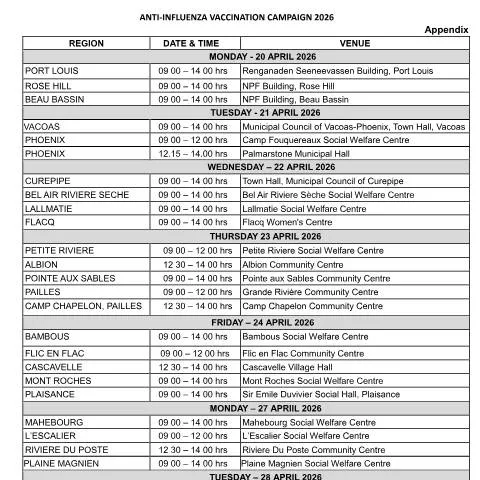
In an ever-evolving public service landscape, the CALENDAR as at 23 April 2026 stands as a vital document that lays out the schedule for various public health initiatives. Understanding the nuances of this document is crucial for citizens, especially in light of its role in the ongoing Anti-Influenza Vaccination Campaign of 2026. This guide will walk you through the essential aspects of the CALENDAR, including its purpose, submission process, and the implications for different user profiles.
Understanding the Core Functionality of the CALENDAR
The CALENDAR serves as a structured timetable detailing vaccination locations, dates, and times across various regions. It plays a pivotal role in ensuring that the public is informed about where and when they can access health services efficiently.
- Public Health Initiative: The document is directly linked to the government's efforts to enhance public health and prevent the spread of influenza.
- Community Engagement: By outlining specific venues, the CALENDAR fosters community participation and encourages individuals to take proactive measures in safeguarding their health.
Who Needs to Submit the CALENDAR?
This document is primarily aimed at health officials and administrators within the public service framework, who are responsible for disseminating information related to vaccination drives. However, the public also needs access to this information for planning their visits. Here’s a breakdown of the profiles involved:
- Health Administrators: Those managing the vaccination sites must use the CALENDAR to set up logistics.
- Citizens: Individuals seeking vaccination will refer to this document to determine their nearest site and available times.
Completing the Submission: What You Need to Know
When filling out or referencing the CALENDAR, certain details must be accurately represented. While citizens do not fill out this document, understanding its structure helps in navigating the public health services effectively.
- Date & Time: Pay attention to the specific dates and times listed for each venue.
- Venue Location: Identify your nearest vaccination centre from the list.
- Public Holidays: Note the public holidays listed (e.g., 1st May 2026), as services may be unavailable during these times.
The Submission Pathway: Online and Physical Access
While the CALENDAR itself is a centralized document, there are various channels through which the public can access the vaccination services it outlines. Citizens can use the following channels:
| Channel | Description | Accessibility |
|---|---|---|
| Online Portal | Access detailed vaccination schedules and updates through the government’s digital services. | Available 24/7 for all citizens. |
| Local Health Centres | Physical venues where citizens can inquire about vaccination details and services. | Open during business hours; specific hours may vary. |
| Community Outreach | Local events and campaigns to promote vaccination awareness, often linked to the CALENDAR. | Dependent on event scheduling. |
Special Considerations: Tailoring Services to Diverse Needs
It’s crucial to acknowledge that not all citizens have the same needs when it comes to accessing health services. The CALENDAR must consider various user profiles and their specific circumstances:
For Foreign Residents
Non-citizens residing in Mauritius can also benefit from the vaccination services. They need to ensure they have the relevant identification and consult the local health authorities regarding their eligibility.
Minors and Parental Consent
For individuals under the age of 18, parental consent is required for vaccination services. Parents or guardians must accompany minors to the vaccination sites and present necessary documents verifying consent.
Special Cases: Medical Conditions
Individuals with pre-existing medical conditions or disabilities may require tailored assistance during their vaccination visits. It is advisable to contact local health centres in advance to ensure proper accommodations.
Implications of the CALENDAR on Public Health and Community Engagement
The CALENDAR not only serves as a logistical tool but also plays a significant role in public health outreach and engagement. Understanding its implications can enhance community involvement:
- Preparedness: Citizens are more likely to participate in vaccination drives when provided with clear, accessible information through the CALENDAR.
- Awareness Campaigns: The CALENDAR serves as a platform for additional health education initiatives, allowing health officials to address concerns and share important updates.
Next Steps and Continuing Engagement
As the scheduled vaccination events approach, ongoing communication from local health authorities will be vital. Citizens should keep abreast of any changes or updates related to the CALENDAR:
- Regularly check the government’s online platforms for real-time updates.
- Engage with local community leaders who can facilitate awareness campaigns and provide additional resources.
- Participate in community forums or social media groups that discuss public health topics, including vaccinations.
By remaining proactive and informed, citizens can contribute to a healthier community and participate meaningfully in the public health initiatives outlined in the CALENDAR as at 23 April 2026. This document not only serves as a schedule but as a crucial element in the collective efforts toward a healthier Mauritius.
Understanding the Public Holiday Calendar in Mauritius
The calendar of public holidays in Mauritius plays a crucial role in the cultural and economic activities of the nation. Public holidays not only provide a break for citizens but also foster a sense of community and cultural identity. It is important to understand how these holidays are determined and the implications they have on various sectors, including public services and business operations.
Public holidays in Mauritius are governed by the Public Holidays Act, which stipulates specific days that are recognized nationwide. The principal public holidays include New Year’s Day, Labour Day, Independence Day, and Christmas Day, among others. Each of these holidays has cultural significance and is observed by a majority of the population. Organizations are required to comply with this legislation and adjust their operational schedules accordingly, often leading to a temporary halt in services during these periods.
It is also essential to note that certain holidays may vary each year based on lunar cycles, particularly those related to the religious observances of Hindu and Muslim communities, such as Diwali and Eid. This variability can affect planning for businesses and government entities. Understanding the implications of these holidays on service delivery, payroll processing, and operational planning is vital for both employers and employees.
Fill in your form directly online
No printing: type your details into the boxes of the official form, tick, then download the PDF ready to send.
- 1Type into the form boxes
- 2Tick in one click
- 3Save and download the PDF
Seasonal Festivals and Their Socio-Economic Impact
Beyond official public holidays, Mauritius is home to numerous seasonal festivals that significantly impact social dynamics and local economies. These festivals often attract tourists and foster local entrepreneurship. Cultural events such as the Maha Shivaratree pilgrimage, Thaipoosam Cavadee, and the Festival of Lights (Diwali) not only showcase the rich cultural tapestry of the island but also present opportunities for businesses in the hospitality, retail, and food sectors to thrive.
During these festivals, local artisans often see an increase in demand for their products, and community events become a focal point for gathering and celebration. The economic boost during these periods can be substantial, as tourists flock to experience the vibrant festivities, leading to increased revenue for hotels, restaurants, and transport services. It’s beneficial for both local authorities and businesses to align their strategies with these seasonal peaks to maximize engagement and revenue.
Moreover, these cultural celebrations serve as an avenue for social cohesion, bringing together people from diverse backgrounds to partake in age-old traditions. Understanding the socio-economic impact of these festivals can aid in policymaking and urban planning, ensuring that infrastructure and services are adequately prepared to handle the influx of visitors and participants.
Digital Innovations and Calendar Management
As Mauritius continues to embrace digital transformation, managing and disseminating information related to the public holiday calendar has evolved significantly. The introduction of e-services through the government portal (govmu.org) allows citizens to access information about public holidays, apply for leave, and check the operational status of various public services from the comfort of their homes.
Digital tools also enable employers to manage workforce schedules more effectively. By leveraging technology, businesses can automate the tracking of public holidays and employee entitlements, ensuring compliance with labor laws while also enhancing productivity. Furthermore, these innovations can help mitigate the risk of miscommunication regarding holiday schedules between employees and management.
With the National ID Card system linked to digital services like MauPass, citizens are now more connected than ever, allowing for real-time updates and notifications regarding any changes in the holiday calendar or public service operations. This shift towards a more integrated digital landscape not only enhances the efficiency of administrative processes but also ensures that all citizens are promptly informed about relevant changes that may affect their daily lives.