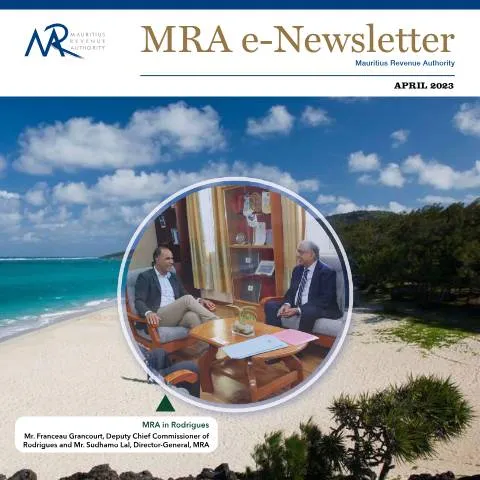
The Intricacies of MRA’s April 2023 e-Newsletter: A Deep Dive
Understanding the implications of the Mauritius Revenue Authority's e-Newsletter for April 2023 is crucial for individuals and businesses alike. This document serves as a pivotal communication tool, detailing recent developments, policy updates, and strategic initiatives aimed at enhancing various sectors, particularly focusing on trade and border security.
Unpacking the Purpose: Why the April 2023 e-Newsletter Matters
In the realm of Mauritian administration, newsletters issued by the MRA are not merely informational; they are conduits for policy implementation and public engagement. The April 2023 edition highlights several key projects that underscore the government's commitment to improving trade facilitation and border protection. The launch of the Passenger Luggage Scanner in Rodrigues is a prime example, showcasing an enhanced approach to security measures at ports.
Key Initiatives Announced
- Passenger Luggage Scanner: Installed at the Port Mathurin, this scanner represents a significant upgrade in customs control and enhances security protocols.
- Coastwise Trade Platform: Designed to automate import and export processes, this platform aims to streamline operations and provide vital statistical data for better decision-making.
- MRA e-Learning Platform: Aimed at enhancing customs knowledge and practices, this platform plays a crucial role in staff training and policy standardization.
Identifying Who Should Pay Attention
The April 2023 e-Newsletter is particularly relevant for stakeholders involved in trade, tourism, and regulatory compliance. This includes:
- Importers and Exporters: Businesses that engage in coastwise trade will benefit significantly from the new digital platforms.
- Tourism Operators: The enhancements in customs procedures and security measures directly affect how tourists experience the region.
- Local Government Agencies: Understanding these initiatives is essential for local authorities that collaborate with MRA on border security and trade facilitation.
Consequences of Inaction: What Happens If You Ignore This Document?
Failing to engage with the information presented in the April 2023 e-Newsletter can have repercussions. For instance:
- Missed Opportunities: Businesses might overlook beneficial changes that could streamline operations or enhance trade opportunities.
- Compliance Risks: Ignoring updates regarding customs regulations can lead to non-compliance, resulting in fines or delays in shipment.
Completing the Connection: How This Document Fits into Larger Procedures
This e-Newsletter does not exist in isolation; it is part of a broader framework of governmental communications aimed at transparency and efficiency. Each initiative presented serves to enhance existing processes, particularly in customs and trade. The Coastwise Trade Platform, for instance, is being developed in conjunction with other regulatory measures, all aimed at fostering a more robust economic environment.
Interlinking Projects and Processes
| Project | Description | Impact |
|---|---|---|
| Passenger Luggage Scanner | Enhances security at Port Mathurin for passenger luggage. | Improved safety and control measures. |
| Coastwise Trade Platform | Automates trade documentation and statistics collection. | Streamlined processes and better accessibility to data. |
| MRA e-Learning Platform | Educates customs staff on international regulations. | Uniform application of customs laws and improved service delivery. |
Preparation Reminders: Gathering Required Justifications and Documents
When engaging with the initiatives outlined in the e-Newsletter, stakeholders are required to prepare specific documents to comply with new customs regulations. These may include:
- Customs Declarations: Accurate forms detailing the nature of goods being imported or exported.
- Business Licenses: Proof of legitimacy to conduct business within the Mauritian framework.
- Identity Verification: National ID or equivalent documentation to establish identity and ownership.
Ensuring that these documents are prepared ahead of time will facilitate smoother interactions with MRA and enhance compliance with updated policies.
Addressing Errors and Overcoming Challenges in Submission
The submission of documentation in the context of the newly announced regulations can be daunting. Stakeholders must be prepared for challenges, including potential errors in documentation or incomplete submissions. Here are practical steps to resolve these issues:
- Immediate Review: If a document is rejected, review the feedback from MRA and address the specific reasons for non-compliance.
- Seek Clarification: Reach out to MRA’s helplines or customer service for guidance on how to rectify issues.
- Resubmit Promptly: Ensure that corrected documents are resubmitted within the stipulated timeframe to avoid penalties.
The Broader Economic Impact: Tourism and Trade Synergy
The initiatives outlined in the April 2023 e-Newsletter interconnect with the broader economic landscape of Mauritius, particularly the tourism sector. With the reopening of travel routes and enhanced border security measures, a significant boost in tourist confidence is anticipated. The incorporation of local businesses into these new frameworks is essential, providing them with opportunities to cater to both local and international markets.
Bridging the Gap Between Government and Citizens
The MRA’s strategic focus on digital transformation through platforms like the Coastwise Trade application exemplifies an ongoing commitment to better service delivery. As citizens and businesses engage with these platforms, they are simultaneously contributing to the overall enhancement of public administration in Mauritius.
Taking Advantage of E-Services: A Future-Forward Approach
The push toward e-services is a notable theme in the April newsletter. As digital platforms become more entrenched in administrative processes, stakeholders are encouraged to embrace these changes fully. Users should familiarize themselves with the functionalities offered by MRA’s new online systems to maximize efficiency and compliance.
Final Thoughts: Engaging with the MRA’s April 2023 Initiatives
As the e-Newsletter outlines critical projects and policies, the onus is on the public and businesses to actively engage with these initiatives. By understanding the implications of these changes, stakeholders can better position themselves for success in a dynamic regulatory environment. The MRA is committed to establishing a robust framework that supports economic growth, and your participation is vital.
Understanding the Implications of April 2023 Tax Reforms in Mauritius
The tax system in Mauritius underwent significant adjustments in April 2023, aimed at enhancing revenue generation while promoting economic growth. These reforms are particularly crucial given the fiscal challenges that the country faces, including the need to diversify its economy and improve public services. Key changes include adjustments in income tax brackets and the introduction of new fiscal measures for specific sectors.
Income Tax Changes
One of the most notable changes relates to the personal income tax structure. The government has restructured the income tax brackets, lowering the rates for lower and middle-income earners while imposing a marginal increase for higher income brackets. This move is designed to alleviate the tax burden on the majority of Mauritians while ensuring that those who can afford to contribute more do so.
Corporate Tax Adjustments
Similarly, corporate tax rates have seen modifications that target specific industries identified as growth areas, such as technology and renewable energy. By offering reduced rates for these sectors, the government aims to incentivize investment and innovation. However, businesses must navigate the new compliance landscape, which includes updated filing requirements with the Mauritius Revenue Authority (MRA) and adherence to new regulations.
Implementation Challenges
While these reforms aim to stimulate economic activity, they also pose challenges for taxpayers and businesses. Understanding the new requirements can be daunting, especially the nuances of compliance and the deadlines for filing taxes under the revised structure. To assist, the MRA has introduced a series of workshops and e-learning modules aimed at educating the public and ensuring a smooth transition.
Innovations in Public Service Delivery as of April 2023
April 2023 saw a significant push towards digital transformation within the public service sector of Mauritius. The government has placed a strong emphasis on e-Government initiatives, aiming to enhance service delivery, increase efficiency, and improve citizen engagement.
E-Service Expansion
The introduction of MauPass, a single sign-on service linked with the National ID Card, has streamlined access to various government services, including tax filing with MRA and applications for public service positions through the Public Service Commission (PSC). This initiative is a response to the increasing demand for digital solutions, especially in the context of the ongoing global shift towards online service provision.
Challenges to Digital Adoption
Despite the advantages, the transition to digital services is not without its challenges. Citizens, particularly those in rural areas, may encounter difficulties due to limited internet access and varying levels of digital literacy. The government recognizes these disparities and has committed to providing training programs and resources to ensure that all citizens can benefit from the conveniences of e-services.
Enhancements to Online Portals
To further facilitate this transition, the Mauritius government has enhanced its e-service portals. These improvements include user-friendly interfaces, mobile compatibility, and comprehensive guides on how to navigate the platforms. Citizens are encouraged to take advantage of these resources to ease their interactions with public services, reducing both time and administrative burden.
Social and Economic Support Initiatives Post-April 2023
In the wake of the economic challenges exacerbated by global uncertainties, April 2023 marked the launch of several social and economic support initiatives aimed at bolstering the resilience of Mauritian households and businesses. This multifaceted approach combines direct financial assistance, job creation programs, and skills development initiatives.
Direct Financial Assistance Programs
Recognizing the financial strain faced by many families, the government has introduced direct financial assistance programs targeting low-income households. This includes cash transfers and subsidies designed to alleviate the impact of rising living costs. Applications for these programs can be submitted online, with eligibility criteria carefully outlined on the government’s e-portals.
Job Creation and Skills Development
To address rising unemployment rates, particularly among the youth, the government has launched job creation programs targeting sectors with high growth potential. These programs not only create immediate employment opportunities but also focus on long-term skills development. Collaborations with local educational institutions aim to align training programs with industry needs, ensuring that the workforce is equipped for future challenges.
Community Engagement and Feedback Mechanisms
Moreover, the government is actively seeking citizen feedback to improve these initiatives. Community forums and online surveys are being utilized to gauge public opinion and adapt programs to better meet the needs of the population. This responsive approach not only fosters trust but also ensures that the support measures are effectively addressing the socio-economic challenges faced by Mauritians.