Facilitating Trade and Reinforcing Border Surveillance in Mauritius
The official regulation AR1819-12, titled Facilitating Trade and Reinforcing Border Surveillance, outlines the strategic measures adopted by the Mauritian authorities to enhance the efficiency, security, and integrity of the country's trade operations. This regulation, categorized under the broader framework of trade and customs control, aims to streamline import-export processes while bolstering border security against illicit activities.
Context and Scope of the Regulation
In the context of Mauritius’s commitment to facilitating legitimate trade and ensuring border safety, this regulation emphasizes the integration of advanced surveillance technologies and robust inspection protocols. It aligns with the country’s legal framework, notably the Mauritius Customs Act and related legislation, to reinforce the operational capacity of customs authorities and other enforcement agencies. The regulation also responds to the increasing volume of international trade, with over 547,000 consignments scanned annually, and the need to balance trade facilitation with security concerns.
Specifically, the regulation addresses the deployment of various inspection channels, including X-ray scanners, post-control mechanisms, clearance audits, and specialized units such as the K9 drug detection team. It underscores the importance of these measures in detecting and deterring customs offences, including narcotics trafficking and smuggling of prohibited goods.
Who Is Concerned by This Regulation?
This regulation primarily targets stakeholders involved in the import and export sectors, including freight forwarders, customs brokers, shipping companies, and importers/exporters. It also directly impacts customs officers and border security personnel responsible for implementing surveillance and inspection protocols. Additionally, the regulation influences online traders and auction platforms engaged in e-activities such as the government’s e-auction sales, which generated Rs 23.1 million in revenue from duty collections.
Key Measures and Operational Highlights
Enhanced Surveillance Technologies
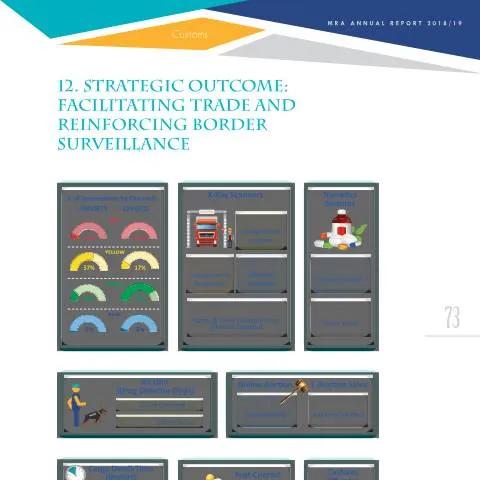
The regulation mandates the continued use and expansion of X-ray scanning facilities at key entry points. Data indicates that 547,343 consignments are scanned annually, with a detection rate of 312 offences and 110 seizures, representing a significant effort in border security. The deployment of advanced scanning equipment allows for rapid inspection, reducing cargo dwell-time and facilitating smoother import-export flows.
Border Inspection and Audits
Border control is reinforced through systematic audits and post-clearance checks. In 2023, a total of 94 audits were conducted, resulting in assessments of Rs 79.7 million and collections of Rs 100 million from duties, taxes, and penalties. These measures ensure compliance with customs regulations and help recover revenue lost through illicit activities.
Specialized Units and Detection Capabilities
The regulation emphasizes the role of specialized units, including the K9 drug detection team, which has contributed to the seizure of narcotics valued at Rs 727.2 million street value. The detection of 63 cases related to customs offences demonstrates the effectiveness of these units in maintaining border integrity.
Fill in your form directly online
No printing: type your details into the boxes of the official form, tick, then download the PDF ready to send.
- 1Type into the form boxes
- 2Tick in one click
- 3Save and download the PDF
Operational Data and Impact
| Activity | Statistics |
|---|---|
| Consignments Scanned | 547,343 |
| Offences Detected | 312 |
| Seizures Made | 110 |
| Street Value of Seized Narcotics | Rs 727.2 million |
| Customs Offences Recovered | Rs 3.6 million in duties & taxes |
| Revenue from E-Auction Sales | Rs 23.1 million |
| Border Dwell-Time (Sea, Red Zone) | 12.66 hours (import), 5.39 hours (export) |
| Border Dwell-Time (Air, Green Zone) | 1.16 minutes (import), 0.87 minutes (export) |
References and Implementation Framework
This regulation is implemented and overseen by the Mauritius Revenue Authority (MRA) and the Public Service Commission (PSC), which coordinate efforts to ensure compliance with legal standards and operational effectiveness. The regulation aligns with the government’s digital transformation goals, promoting the use of online platforms such as govmu.org for customs declarations, audits, and auction sales.
Through these comprehensive measures, Mauritius aims to facilitate legitimate trade flows while maintaining a high level of border security, thus protecting its economic interests and societal well-being.