Navigating the Complexities of the Application for Issue of Shares
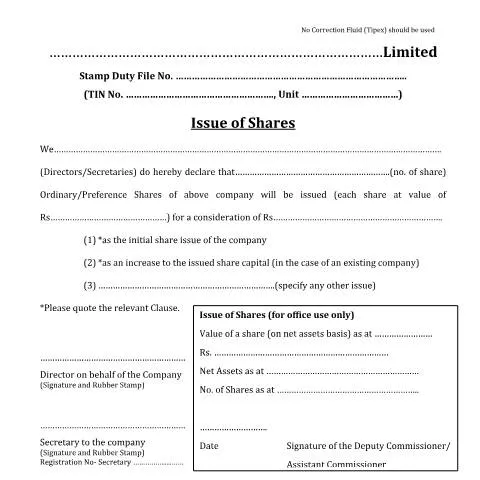
In the dynamic landscape of corporate governance in Sri Lanka, the Application for Issue of Shares serves as a pivotal document for companies seeking to raise capital. This document is not merely a formality; it signifies the growth potential of a business and reflects the intricacies of compliance with local regulations. Understanding how to navigate this application process is essential not only for company directors and secretaries but also for any stakeholder concerned with the financial health of a corporation.
Understanding the Stakes: Who Submits the Application?
The application is primarily submitted by the directors or secretaries of the company. Each profile has distinct responsibilities and implications in this process. Therefore, it is crucial to delineate the roles:
- Directors: They are responsible for declaring the number of shares to be issued and their nominal value. Their signature indicates the company's commitment to transparency and regulatory compliance.
- Secretaries: They ensure that all necessary documentation is aligned with the application and maintain the legal standing of the company. Their role often includes preparing the board resolution necessary for the submission.
In exceptional cases, such as companies operating under unique circumstances or foreign entities looking to issue shares in Sri Lanka, additional considerations may apply. For example, a foreign director may need to provide extra documentation to confirm their authority to act on behalf of the company.
Dissecting Each Section of the Application Form
When immersed in the details of the Application for Issue of Shares, it’s important to approach each section methodically. Misinterpretation or inaccuracy can lead to delays or even rejections. Below is a breakdown of critical sections within the application:
1. Company Details
Your company’s name and registration details must be clearly indicated. Ensure accuracy with the registration number, as discrepancies can result in administrative hurdles.
2. Share Details
This section requires the specification of the number of shares and their respective values. Mistakes here can misrepresent the company’s financial standing.
3. Purpose of the Share Issue
It is essential to select the appropriate reason for issuing shares:
- Initial Share Issue
- Increase to Issued Share Capital
- Specify Any Other Issues
Each option comes with its own set of implications and may require additional documentation.
4. Signatures and Stamps
Both the director and secretary must sign and stamp the application. This adds a layer of authenticity, reinforcing compliance with corporate governance standards.
Key Documents: What You Need to Prepare
The strength of your application largely hinges on the documents accompanying it. Below is a detailed list of what is required based on the purpose of the share issuance:
| Purpose of Share Issue | Required Documents |
|---|---|
| Initial Issue |
|
| Increase in Issued Capital |
|
Procuring these documents can be a tedious process, especially if there are any legal complications or previous issues that the company has faced. Ensure all documents are up-to-date and correctly formatted to avoid unnecessary delays.
Timeline: When to Submit and What Happens Next
Timeliness is crucial in the application process. The regulations stipulate that the application for the issuance of shares should be submitted when the company has solidified its decision to issue shares, preferably before the actual issuance. After submission, the application undergoes review:
- Initial review by the Deputy Commissioner or Assistant Commissioner.
- Possible requests for additional information or documentation.
- Final endorsement and stamp duty assessment.
If approved, the company may proceed with issuing shares, while the relevant authorities will update their records accordingly. The entire process may take a few weeks, depending on the completeness of the application and the workload of the reviewing authorities.
What to Do in Case of Rejection or Missing Information
Receiving a rejection or being informed of missing documentation can be disheartening. If your application is rejected, it is vital to promptly respond by addressing the concerns raised by the reviewing authorities. Follow these steps:
- Review the Rejection Notice: Understand fully the reasons for rejection.
- Gather Additional Documentation: If the rejection was due to missing documents, procure those and ensure they are correctly formatted.
- Resubmit the Application: Once all concerns have been resolved, resubmit your application with the necessary adjustments.
In some cases, an appeal could be made, especially if the rejection seems unwarranted. Consult with legal professionals or experts familiar with Sri Lanka's corporate law to ensure that your rights are protected.
The Implications of Issuing Shares: Rights and Responsibilities
Issuing shares is not simply an accounting maneuver; it carries significant implications for both the company and its stakeholders. Upon successful issuance:
- Rights of Shareholders: New shareholders gain rights that may include voting rights and dividends.
- Obligations of the Company: The company must maintain transparency and adhere to legal obligations concerning financial reporting and shareholder meetings.
A failure to meet these obligations could lead to legal repercussions and damage to the company’s reputation. It's essential for the directors and secretaries to understand the weight of their responsibilities post-issuance.
Exploring Unique Situations: Expatriates and Minors
In certain unique circumstances, such as share issuance involving expatriates or minors, the requirements and procedures may differ. Here are some considerations:
Expatriates
If a foreign national is looking to invest in a company by acquiring shares, additional documentation may be required. This may include proof of identity, investment intention details, and other permissions as necessary under Sri Lankan law.
Minors
When shares are to be issued to minors, guardians must be involved in the process. Legal documentation proving guardianship and consent is typically required. Additionally, the implications of issuing shares to minors must be carefully considered due to their limited legal capacity.
Final Thoughts on the Application for Issue of Shares
The Application for Issue of Shares is more than a mere formality; it is a gateway to capital expansion and strategic growth for businesses in Sri Lanka. Understanding the nuances of this application, preparing meticulously, and navigating the post-issuance landscape can significantly impact a company's trajectory. Stay informed, adhere to regulations, and engage with qualified legal counsel to ensure a smooth application process and successful share issuance.
Understanding Share Issuance Regulations in Sri Lanka
In Sri Lanka, the issuance of shares is governed primarily by the Companies Act No. 7 of 2007, which establishes the legal framework for corporate governance, including share capital and share issuance. The Companies Act allows companies to issue different categories of shares, including ordinary shares, preference shares, and redeemable shares, each with distinct rights and obligations. This flexibility enables companies to tailor their capital structures according to their specific needs and strategic goals. It is crucial for companies to meticulously comply with the provisions of the Companies Act to avoid legal ramifications and ensure smooth operations.
Moreover, to issue shares, companies must adhere to the capital maintenance rules which are designed to protect creditors and maintain financial stability. For instance, companies cannot issue shares at a discount unless specifically permitted under certain conditions outlined in the Act. Furthermore, any issuance must be backed by a resolution passed by the board of directors and, in some cases, require shareholder approval as stipulated in the company’s Articles of Association. A thorough understanding of these regulations is essential for any company considering the issuance of shares, as non-compliance could lead to penalties or challenge from shareholders or regulatory bodies.
Steps Involved in the Share Issuance Process
The process of issuing shares in Sri Lanka involves several critical steps that must be followed diligently to ensure compliance with legal requirements.
- Board Resolution: The first step is to convene a board meeting to discuss and approve the issuance of shares. A formal resolution must be drafted and signed by the board members, detailing the number of shares to be issued, their nominal value, and the intended recipients.
- Updating the Articles of Association (if necessary): If the Articles of Association do not explicitly allow the issuance of new shares or if modifications are required, these documents must be amended and filed with the Registrar of Companies.
- Shareholder Approval: Depending on the company structure, obtaining approval from existing shareholders may be needed. This can often require a special resolution, especially if the issuance dilutes existing ownership percentages.
- Application for Issuance: The next step involves completing the Application for Issue of Shares, which is typically available on the DRC's official site. This form must be accurately filled out to avoid delays in processing.
- Payment of Regulatory Fees: Companies are required to pay a fee associated with the share issuance, which must be submitted along with the application. The fee amount can vary based on the number of shares being issued.
- Submission to the Registrar: The completed application form, along with all supporting documents including the board resolution, amended Articles of Association (if applicable), and proof of payment, must be submitted to the Registrar of Companies for approval.
- Issuance of Share Certificates: Once the application is approved, share certificates can be issued to the shareholders. It is important to maintain accurate records of all issued shares for future reference and compliance.
By following these steps, companies can ensure a smooth and compliant share issuance process, which is crucial for maintaining trust among shareholders and regulatory bodies.
Common Mistakes to Avoid During Share Issuance
Issuing shares is a pivotal event in a company's lifecycle, and mistakes during this process can lead to significant legal and financial repercussions. Here are some common pitfalls to watch out for:
- Inadequate Documentation: One of the most frequent mistakes is failing to maintain proper documentation of the entire share issuance process. This includes not only the Application for Issue of Shares but also board resolutions, shareholders' consents, and payment receipts. Inadequate records can lead to disputes and regulatory scrutiny.
- Ignoring Shareholder Rights: Companies sometimes overlook the rights of existing shareholders during the issuance of new shares. Diluting the ownership stakes of current shareholders without their consent can lead to significant backlash and potential legal action.
- Non-Compliance with Regulatory Fees: Companies must ensure that all required fees are paid to the Registrar in a timely manner. Non-compliance can result in delays or rejection of the application, causing financial and operational setbacks.
- Neglecting Tax Implications: Issuing shares may have tax implications, and companies often fail to consult with tax advisors to understand the consequences of their capital decisions. This can lead to unexpected tax liabilities that can strain financial resources.
- Failure to Review Articles of Association: Companies should always review their Articles of Association before proceeding with share issuance. Failing to comply with the stipulations outlined in these governing documents can invalidate the share issuance process.
Awareness of these common mistakes is vital for companies looking to navigate the share issuance process successfully. By ensuring compliance and maintaining clear communication with stakeholders, companies can avoid complications that may arise from improper procedures.