Navigating the Application Process for HEO ICT Senior Application Specialist
In a competitive landscape where technology plays an integral role in the functioning of public services, the recruitment process for the Higher Executive Officer (HEO) role as an ICT Senior Application Specialist in the Department of Transport is especially significant. This process enables the Department of Transport to attract top-tier talent capable of meeting the demands of a rapidly evolving digital environment. The application is not just a form; it's your opportunity to demonstrate your competencies and potential contributions to the public service.
The Significance of Appendix B in Your Application
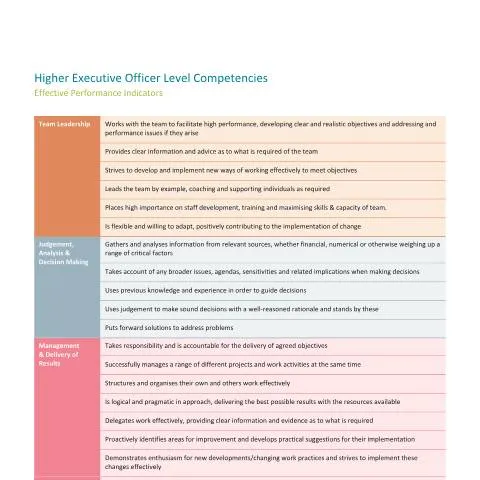
Appendix B outlines the competencies expected of candidates applying for the HEO position. This document serves as a benchmark for assessing applicants, ensuring they possess the necessary skills to excel in the role. It is important to approach this appendix with a thorough understanding of its contents, as it details the specific competencies that will be evaluated, ranging from team leadership to interpersonal communication skills.
Understanding the Competency Framework
The competencies listed in Appendix B are not merely guidelines; they are the foundational attributes that the Department values in its executives. The framework is categorized into several key areas, including:
- Team Leadership: The ability to inspire and guide a team towards achieving shared objectives.
- Judgement, Analysis & Decision Making: Critical thinking skills that allow for informed and balanced decision-making.
- Management & Delivery of Results: Accountability for meeting objectives and delivering outcomes effectively.
- Interpersonal & Communication Skills: Essential for building relationships and facilitating collaboration.
- Specialist Knowledge & Self Development: Continuous professional growth and deep understanding of the sector.
- Drive & Commitment to Public Service Values: Embodying the core values that govern public service.
The Application Lifecycle: From Submission to Evaluation
The process begins with the completion and submission of your application, which must be aligned with the competencies outlined in Appendix B. Candidates are encouraged to reflect on their experiences and articulate how they align with these competencies.
Step-by-Step Application Process
- Preparation: Take the time to review the competencies in Appendix B, ensuring you understand what is expected.
- Completion of Application: Fill out the application form carefully, providing detailed examples that showcase your competencies.
- Submission: Submit your application by the designated deadline through the specified channels, ensuring all required documentation is included.
- Assessment: Your application will be evaluated based on the competencies listed in Appendix B, and you may be invited to an interview.
- Feedback & Outcome: Following the interview, candidates will be notified of their application status, with feedback provided for unsuccessful applicants.
Preparing for a Potential Interview
Upon successfully passing the initial application review, candidates may be called for an interview. This stage is crucial as it provides an opportunity to further demonstrate your alignment with the competencies.
Tips for Success
- Research: Understand the role and its significance within the Department of Transport.
- Use STAR Method: Structure your responses to competency questions using the Situation, Task, Action, and Result framework.
- Practice Common Questions: Prepare for questions that probe into each of the competencies outlined in Appendix B.
Addressing Challenges During the Application Process
While the application process is structured, it is not uncommon for candidates to encounter challenges. Understanding how to navigate these obstacles is crucial for a successful application.
Common Issues and Their Solutions
| Issue | Possible Solution |
|---|---|
| Missing Documentation | Contact the recruitment office immediately to inquire about resubmission options. |
| Application Form Errors | Review the form carefully before submission. If errors are found post-submission, communicate these promptly. |
| Refusal of Application | Request feedback to understand areas for improvement for future applications. |
What Happens After Submission?
Once your application is submitted, it enters the review phase. Understanding how the administration processes applications can help manage expectations and prepare for the next steps.
The Role of the Recruitment Panel
The recruitment panel, typically consisting of senior staff from the Department, evaluates each application against the established competencies. Their role is to ensure that candidates not only meet the fundamental requirements but also demonstrate potential for growth and leadership within the Department.
In Case of a Setback: Your Rights and Options
Receiving a rejection can be disheartening, but it is essential to understand that this is not the end of your journey. Candidates have rights and options to consider.
Options for Unsuccessful Candidates
- Request for Feedback: It's advisable to seek constructive feedback to identify areas for improvement.
- Reapply: Many candidates choose to reapply for the same position in future cycles, using the feedback to enhance their application.
- Explore Alternative Roles: Consider applying for other positions within the Department of Transport or related agencies.
Understanding the Role of Competencies in Your Career Development
Competencies are not merely a requirement for this position; they are essential for your career trajectory within the public sector. Familiarity with these competencies can guide your professional development and career progression.
Leveraging Competencies for Career Growth
- Continuous Learning: Engage in training and professional development opportunities to enhance your skills.
- Networking: Participate in industry events and forums to connect with professionals and learn from their experiences.
- Seek Mentorship: Identify mentors within the public sector who can provide guidance tailored to your career aspirations.
Conclusion: Embracing the Future of Public Service
Ultimately, the application process for the HEO ICT Senior Application Specialist role in the Department of Transport is more than just a procedural formality; it is a significant step towards contributing meaningfully to public service. By understanding the competencies expected and actively preparing for each stage of the application process, you position yourself as a strong candidate ready to tackle the challenges of modern governance.
In this dynamic field, your commitment to public service values and adherence to the competency framework can set you apart, paving the way for a fulfilling career in the public sector.
Understanding the Role of Higher Executive Officer ICT Senior Application Specialist
The Higher Executive Officer (HEO) ICT Senior Application Specialist plays a pivotal role in the administration and implementation of IT solutions within public service agencies in Ireland. This position requires not only a high degree of technical proficiency but also a deep understanding of the operational needs of various governmental departments. The HEO will be responsible for overseeing the development, enhancement, and management of ICT applications that support the delivery of public services. This includes engaging with stakeholders to identify their requirements, collaborating with technical teams, and ensuring that projects adhere to relevant standards and protocols.
In addition to technical skills, the HEO must exhibit strong leadership capabilities. This role often involves managing a team of IT professionals, guiding them through complex projects, and ensuring that they have access to the training and resources necessary for their development. Moreover, since the public sector is increasingly moving towards digital transformation, the HEO will need to be adept at navigating change management processes while maintaining service continuity.
Key Competencies Required for HEO ICT Senior Application Specialist
The competencies expected of a Higher Executive Officer in this role are diverse and multifaceted. They extend beyond mere technical knowledge to include strategic thinking, stakeholder management, and communication skills. Here are some of the core competencies expected:
- Technical Proficiency: A solid understanding of ICT systems, software development life cycles (SDLC), and various programming languages is essential. Familiarity with data protection regulations and legislation, such as the General Data Protection Regulation (GDPR), is also necessary, given the sensitive nature of public sector data.
- Leadership and Team Management: The ability to lead a team effectively, delegate tasks, and inspire confidence among team members is crucial. Strong HR skills are beneficial for managing performance and fostering a positive workplace culture.
- Analytical Thinking: Candidates should possess the ability to analyze complex problems and develop innovative solutions tailored to the needs of different departments. This includes conducting feasibility studies and risk assessments to inform decision-making processes.
- Stakeholder Engagement: Excellent interpersonal skills are necessary for building strong relationships with internal and external stakeholders. The HEO will need to communicate ICT initiatives clearly and persuasively to a variety of audiences, ensuring alignment and support.
- Project Management: Familiarity with project management methodologies (such as Agile or PRINCE2) is beneficial for overseeing projects from inception to completion, ensuring that timelines, budgets, and quality standards are met.
- Change Management: The ability to manage organizational change effectively is vital. This involves understanding the impact of new ICT systems on personnel and workflows and providing the necessary support through training and transition processes.
Preparing for the HEO ICT Senior Application Specialist Competency Assessment
Preparation for the competency assessment for the HEO ICT Senior Application Specialist role is critical for candidates aspiring to secure this position. The assessment typically consists of a range of evaluation methods, including interviews, written exercises, and possibly case studies that test both technical and interpersonal skills. Here are some strategies to prepare effectively:
- Review the Job Specification: Familiarize yourself with the specific duties and responsibilities outlined in the job specification. Understanding the expectations of the role will allow you to tailor your preparation accordingly.
- Reflect on Past Experiences: Compile examples from your professional history that demonstrate your competencies in action. Use the STAR (Situation, Task, Action, Result) method to structure your responses during the assessment.
- Stay Updated on Industry Trends: Keep abreast of the latest developments in ICT, particularly those pertinent to public sector applications. Knowledge of emerging technologies and best practices will enhance your credibility during discussions.
- Practice Communication Skills: Since effective communication is crucial for this role, practice articulating your thoughts clearly and confidently. Engaging in mock interviews with peers can be particularly beneficial.
- Engage with Current Practitioners: Networking with individuals currently in HEO roles can provide valuable insights into the competencies required and the challenges faced. Attend industry seminars or workshops when possible.