Understanding the Stamp Duty Submission Process: An Essential Guide
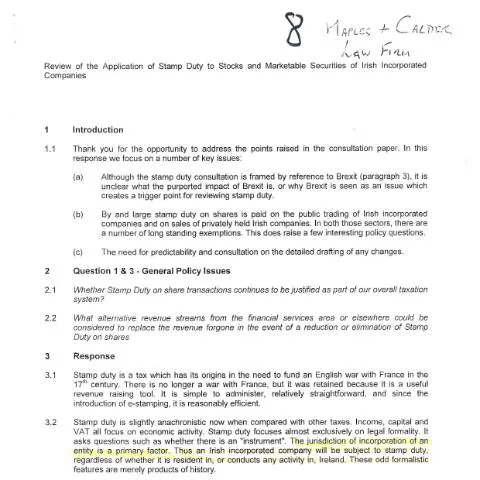
The submission to the consultation regarding the Review of the Application of Stamp Duty to Stocks and Marketable Securities of Irish incorporated companies is a pivotal document that plays a significant role in shaping the fiscal landscape of Ireland. By engaging stakeholders in an in-depth discussion about stamp duty, especially in light of Brexit, the Department of Finance aims to gather a comprehensive understanding of varying perspectives.
Navigating through the Submission: Key Sections Decoded
When filling out the submission, it is imperative to dissect the form into comprehensible sections. Each part has specific requirements that need careful attention. Here’s a breakdown:
General Policy Issues
This section revolves around the fundamental questions regarding the relevance and justification of the current stamp duty system. Respondents are asked to evaluate whether the stamp duty on share transactions continues to serve its purpose effectively. Issues such as potential modifications or complete abolishment of the duty could transform the financial landscape, making it crucial for stakeholders to provide insightful feedback.
Impact of Brexit on Stamp Duty
In the wake of Brexit, the implications on stamp duty cannot be overstated. Questions posed in this section require respondents to reflect on how the withdrawal of the UK from the EU may necessitate changes in stamp duty policy. Participants should carefully consider the economic repercussions of these changes, particularly on Ireland's competitive standing in international markets.
The Process of Completing the Submission
Completing this submission involves a structured approach:
- Gather Relevant Information: Ensure that all necessary data and insights are compiled before starting the submission. This includes knowledge about current stamp duty regulations and the economic environment post-Brexit.
- Filling Out the Form: Each question demands a clear and concise response. Participants should focus on providing evidence-based insights that reflect both personal perspectives and broader economic trends.
- Reviewing Responses: Once completed, it’s vital to review all entries to ensure accuracy and relevance. Any mistakes or unclear statements could lead to misunderstandings in the evaluation process.
Filing the Submission: Where and How
Submissions must be sent to the Department of Finance. To ensure compliance and proper processing:
- Check the official submission guidelines on the Department’s website.
- Submit any accompanying documents that support your responses.
- Adhere to submission deadlines to avoid disqualification.
Consequences of Errors or Missing Information
Submitting an incomplete or incorrectly filled form can lead to significant consequences:
- Rejection of Submission: If critical elements are missing, the submission may be deemed invalid.
- Delayed Processing: Mistakes can prolong the evaluation period, potentially affecting the stakeholder's ability to influence policy significantly.
To mitigate these risks, consider consulting with a professional who has experience with the submission process or tax law.
Understanding the Broader Context: Where This Submission Fits In
This submission does not exist in isolation. It is part of a larger framework of ongoing discussions regarding taxation and regulatory practices in Ireland. Key aspects include:
- Historical Context: Understanding the origins of stamp duty and its evolution helps stakeholders appreciate its current application and necessary reforms.
- Future Implications: This submission could lead to significant changes in how businesses operate in Ireland, particularly in the financial sector.
The Timeline: Key Dates and Subsequent Actions
Adhering to a timeline is crucial for participants:
| Event | Date |
|---|---|
| Submission Opening | June 1, 2023 |
| Submission Deadline | July 15, 2023 |
| Evaluation Period | July 16 - September 15, 2023 |
| Public Announcement of Findings | September 30, 2023 |
Being aware of these dates is essential for planning and ensuring timely responses to emerging policies.
Administrative Processing: What Happens Next?
Once submitted, the Department of Finance undertakes a detailed analysis of all responses. Participants can expect the following process:
- Assessment of Submissions: Each submission is reviewed for its insights and relevance.
- Feedback Loop: Stakeholders may be invited to discuss their submissions further or clarify specific points.
- Implementation of Findings: Based on the feedback received, policy adjustments may be proposed and eventually implemented.
This transparency can help participants understand how their contributions may influence future legislative changes.
Regulatory Foundations: The Legal Framework Behind Stamp Duty
Understanding the regulatory backdrop is essential for participants:
- Constitutional Provisions: The Constitution of Ireland provides the fundamental legal principles governing taxation.
- Taxes Consolidation Act, 1997: This act consolidates various tax laws, including those pertaining to stamp duty, and provides a framework for understanding current practices.
Providing context can lead to more informed responses to the consultation.
The Role of Stakeholders: A Call for Active Participation
It is vital for all stakeholders, from corporate entities to individual investors, to engage actively in this consultation process. Their input could shape the future landscape of stamp duty and influence economic policy decisions in Ireland. By participating, stakeholders can address their concerns, advocate for necessary reforms, and contribute to a more favorable business environment.
Understanding the Impact of Stamp Duty on Irish Companies
Stamp duty is a critical aspect of the financial landscape for companies operating in Ireland, particularly for those incorporated within the Republic. The implications of this tax on stocks and marketable securities can influence investment decisions, capital structures, and even the overall valuation of businesses. An in-depth understanding of how stamp duty is applied is essential for stakeholders, including company directors, financial advisors, and investors.
Currently, under the Stamp Duties Consolidation Act 1999, stamp duty is levied on instruments executed in Ireland relating to shares, stocks, and marketable securities. The rate, as it stands, is generally 1% of the market value of the shares or securities transferred. However, the intricacies of this duty can vary significantly based on the nature of the transaction.
For instance, private companies might face different implications as compared to public companies. Transactions involving the transfer of shares in closely held companies could be subject to stringent valuation methodologies, thereby affecting the stamp duty payable. This necessitates a careful valuation process and an understanding of potential exemptions or reductions available under specific circumstances.
Furthermore, the implications of Brexit have also introduced a layer of complexity in the application of stamp duty. Companies that were previously able to transact seamlessly with UK firms now face additional considerations. This situation necessitates reevaluation of the tax obligations arising from cross-border transactions and may prompt companies to seek clarity on how these changes might affect their overall tax position.
Guidelines for Submitting Feedback on the Review
Those interested in making submissions regarding the review of stamp duty applications are required to adhere to specific guidelines set out by the Department of Finance. Understanding these guidelines is essential to ensure that contributions are relevant and considered during the consultation process.
Feedback submissions can address numerous elements related to stamp duty, including the fairness of its application, the administrative burdens it imposes, and suggestions for potential reforms. It’s advisable to structure your submission clearly, covering key points succinctly while providing supporting data or case studies where applicable.
The deadline for submissions is typically set within a specified period following the announcement of the consultation. As of the latest review, all submissions must be directed through the appropriate channels, using the consultation form provided. Submissions can be made individually or collaboratively, allowing for the consolidation of viewpoints within the industry.
To enhance the effectiveness of your submission, consider focusing on specific case examples from your experience or observations. Also, reference any relevant studies or data that support your perspective on how stamp duty impacts the operations of Irish companies. Make sure you provide your contact information and, if applicable, your company’s details to facilitate follow-up discussions.
The Role of Stakeholders in Shaping Stamp Duty Policy
Stakeholders play a pivotal role in influencing the policies surrounding stamp duty in Ireland. From small businesses to multinational corporations, each entity has a unique perspective on how stamp duty affects their operations. Engaging in the consultation process not only amplifies your voice but also contributes to a more comprehensive understanding of the implications of stamp duty across various sectors.
Industry associations, financial institutions, and academic experts often collaborate to provide insights that can guide policy changes. By participating in discussions, stakeholders can share their experiences and articulate how current stamp duty regulations impact their respective fields. For example, real estate companies may highlight how stamp duty influences property transactions, while tech companies may focus on the effects on equity financing and investment rounds.
In addition, stakeholder engagement can lead to potential reforms that not only streamline the administration of stamp duty but also promote growth and innovation within the market. This is particularly crucial in a rapidly evolving economic environment, where businesses are increasingly seeking to navigate complex tax landscapes. Together, stakeholders can advocate for policies that incentivize investment and entrepreneurship, thereby fostering a dynamic economic atmosphere in Ireland.
Ultimately, the success of any reform hinges on the active participation of those directly affected by the policies. Continuous dialogue between the government, regulatory bodies, and the business community is essential for ensuring that stamp duty regulations remain relevant and equitable.