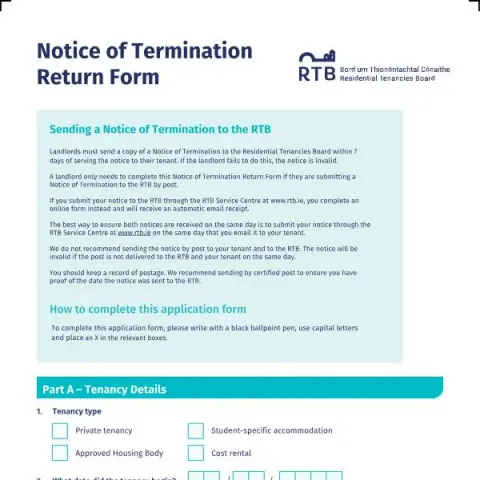
Understanding the Notice of Termination of Tenancy: A Practical Guide
In the realm of housing and tenancy rights in Ireland, effective communication between landlords and tenants is crucial. One of the most significant documents in this interaction is the Notice of Termination of Tenancy. This letter serves as an essential legal instrument that formalizes the end of a tenancy agreement. Crafting this notice correctly is key to ensuring that both parties are aware of their rights and obligations, thereby preventing future disputes.
Crafting the Notice: Tone and Structure
The tone of the notice should reflect professionalism and clarity. Given the legal implications involved, it is imperative to strike a balance between cordiality and assertiveness. The typical structure of this letter can be outlined as follows:
Sender's Address
Date
Receiver's Address
Subject: Notice of Termination of Tenancy
Dear [Tenant's Name],
I am writing to inform you of my decision to terminate your tenancy at [Property Address] effective [Termination Date]. This notice is provided in accordance with the relevant tenancy laws.
As per our rental agreement dated [Insert Date], the terms outlined allow for such a termination under the following conditions: [Insert Conditions].
Please ensure that the property is vacated by the above-mentioned date. Should you have any questions regarding this notice, feel free to reach out.
Thank you for your understanding.
Sincerely,
[Landlord’s Name]
[Contact Information]
Breaking Down the Components
When drafting a Notice of Termination of Tenancy, each component plays a pivotal role:
- Sender's Address: Clearly state your address to confirm your identity as the sender.
- Date: Always include the date of writing to establish a timeframe for the notice.
- Receiver's Address: Use the tenant's registered address for accuracy.
- Subject Line: Clearly state the purpose to avoid ambiguity.
- Salutation: A polite greeting sets a respectful tone.
- Body: State the termination clearly, referencing the rental agreement and any pertinent clauses.
- Closing: A courteous closing reinforces professionalism and respect.
Legal Foundations: Rights and Obligations
Understanding the legal context surrounding the termination of a tenancy is vital. The Residential Tenancies Act governs most of these agreements, detailing both tenant and landlord rights. A notice must incorporate any relevant legislation that supports your position, such as:
- The minimum notice period required based on the length of the tenancy.
- Specific clauses from the rental agreement that validate the termination.
- Any obligations that the tenant needs to fulfill before vacating, such as property condition or final rent payments.
Common Legal Missteps
When drafting the notice, certain pitfalls can weaken its effectiveness:
- Vague Language: Ambiguity can lead to misunderstandings and disputes.
- Failure to Reference the Agreement: Not citing specific clauses may undermine your position.
- Omitting Important Dates: Without dates, the notice lacks clarity and enforceability.
Identifying the Proper Recipient
Addressing the notice correctly is crucial for its validity. Typically, the notice should be sent directly to the tenant occupying the property. In cases where there are multiple tenants or sub-tenants, ensure that all parties are informed. This avoids confusion and reinforces the legitimacy of the notice.
Modes of Delivery: Ensuring Receipt
Delivering the notice in a manner that ensures the tenant receives it is essential. Here are some recommended methods:
- Registered Post: Provides a record of delivery, useful for legal proceedings if necessary.
- Email: If previously agreed upon, this can be a rapid method, but ensure you receive a confirmation of receipt.
- In-Person Delivery: If feasible, handing the notice directly can eliminate doubts about receipt.
The Aftermath: Next Steps
Once the Notice of Termination of Tenancy has been delivered, both parties should prepare for the next steps:
- Tenant's Responsibilities: The tenant must ensure that the property is vacated by the specified date. They should also handle any final cleaning and repairs as stipulated in the rental agreement.
- Final Inspection: It's advisable for landlords to conduct a final inspection to assess property condition and discuss any potential deductions from the security deposit.
- Dispute Resolution: If disagreements arise, refer to the Residential Tenancies Board (RTB) for mediation services.
Documenting the Process
Both parties should document all communications regarding the termination. This helps to protect against potential disputes. Keeping records of the notice, delivery method, and any subsequent correspondence can prove invaluable in case of legal complications.
Special Circumstances: When to Seek Professional Advice
While many tenancy terminations proceed smoothly, there are situations where seeking legal counsel is advisable:
- Complex Tenancies: Shared accommodations, student rentals, or properties with multiple tenants may have intricate legal frameworks.
- Disputes Arising: If the tenant disputes the termination, understanding your legal standing is crucial.
- Specific Clauses in Lease Agreements: Unusual or complex lease agreements may require expert interpretation.
Conclusion: Navigating Tenancy Termination with Confidence
Issuing a Notice of Termination of Tenancy can be a straightforward process when approached with clarity and respect for the legal framework. By understanding the essential elements of the notice, addressing it correctly, and ensuring proper delivery, landlords can navigate the complexities of tenant communication effectively. Should complications arise, seeking professional advice can mitigate risks and ensure compliance with Irish housing laws.
Finally, remember that while this notice signifies the end of a tenancy, effective communication and adherence to legal requirements can foster a respectful conclusion to the landlord-tenant relationship.
Understanding Grounds for Termination in Ireland
In Ireland, the Residential Tenancies Act 2004 and its subsequent amendments provide a comprehensive framework governing the rights and obligations of landlords and tenants, particularly concerning the termination of tenancies. It is imperative to understand the specific grounds upon which a notice of termination can be issued.
The grounds for termination can generally be categorized into two types: mandatory and discretionary grounds. Mandatory grounds are scenarios where the landlord must terminate the tenancy, while discretionary grounds may allow the landlord to terminate at their discretion, depending on the specific circumstances.
Mandatory Grounds for Termination include:
- Breach of Tenancy Agreement: If a tenant has breached a significant term of the tenancy agreement, such as failure to pay rent, the landlord is entitled to issue a notice of termination.
- Property Damage: A serious breach that involves damaging the property can lead to immediate termination.
- Anti-Social Behaviour: If behaviour that can be classified as anti-social (harassment, noise disturbances, etc.) is reported, the landlord can terminate the tenancy.
- Illicit Use of Property: If the property is used for illegal purposes, such as drug manufacturing or distribution, this provides grounds for termination.
Discretionary Grounds for Termination may include:
- End of Fixed-Term Lease: A landlord may decide not to renew a tenancy once the fixed-term lease ends, provided they have given the necessary notice.
- Landlord Intends to Sell: If the landlord intends to sell the property, they can issue a notice of termination, but they must follow proper procedures.
- Occupancy Needs: If the landlord or a family member requires the property for their own use, they may terminate the tenancy. However, they need to ensure that notice periods are adhered to and that the right procedures are followed.
It's essential for landlords to provide adequate justification when issuing notices based on these grounds. This may involve obtaining written evidence to support their claims, thereby ensuring compliance with the legal framework.
Properly Serving a Notice of Termination
Serving a Notice of Termination correctly is a critical step in the termination process. The Residential Tenancies Act stipulates specific requirements that landlords must follow:
Fill in your form directly online
No printing: type your details into the boxes of the official form, tick, then download the PDF ready to send.
- 1Type into the form boxes
- 2Tick in one click
- 3Save and download the PDF
- Written Format: A Notice of Termination must be in writing. A verbal notice is insufficient and cannot be enforced.
- Content Requirements: The notice must clearly state the reasons for termination, the date the tenancy will end, and the relevant information regarding the tenant's rights.
- Notice Periods: The notice period varies depending on the duration of the tenancy:
- Less than 6 months: 90 days
- Between 6 months and 1 year: 152 days
- Between 1 and 7 years: 180 days
- 7 years or more: 196 days
These specified notice periods are crucial. Failure to respect them may render the notice invalid, meaning the tenancy continues as if no action was taken.
Delivery Method: The notice can be delivered by hand, left at the property, or posted to the tenant’s registered address. If sending by post, landlords should use registered mail to ensure that the notice is received.
Tenant Acknowledgment: It is advisable for landlords to obtain a written acknowledgment from the tenant upon receiving the notice, as this can serve as evidence in case of disputes.
Using MyGovID for Online Notifications: In some cases, landlords might opt to serve notices through the MyGovID service, especially if they are registered landlords and the tenant's details are accurately recorded.
Properly executing the notice of termination process is vital to avoid potential disputes. Landlords should be prepared to demonstrate compliance with all legal requirements, which will provide a level of protection should the tenant dispute the termination.
Dispute Resolution and Appeals Process
Despite following the legal procedures for issuing a Notice of Termination, disputes may arise between landlords and tenants. The Residential Tenancies Board (RTB) plays a significant role in resolving these disputes and providing an avenue for appeals.
Dispute Resolution Services: The RTB offers mediation services to help landlords and tenants reach mutually agreeable solutions without going to a formal hearing. This can often be a quicker and less confrontational approach to resolving disputes.
Formal Appeals Process: If mediation does not resolve the issue, either party can initiate a formal appeal process through the RTB. This involves submitting a complaint, which will then be reviewed by an adjudicator.
Documentation Required: To support their case, both landlords and tenants must provide ample documentation. This could include the original tenancy agreement, records of rent payments, correspondence between the parties, and the original Notice of Termination.
Hearing Procedures: Hearings conducted by the RTB are generally more informal than court proceedings. However, it is vital for individuals involved to present their case clearly and concisely. Both parties have the right to present witnesses and evidence.
Outcomes of the Hearing: After reviewing the evidence, the RTB will make a decision, which could include enforcing the notice of termination, allowing the tenant to remain in the property, or suggesting alternative solutions. Decisions by the RTB can be appealed to the Circuit Court if one of the parties is dissatisfied.
Legal Representation: While it is not mandatory, tenants and landlords are encouraged to seek legal advice or representation, especially if the case is complex or involves substantial claims. Legal professionals can provide invaluable assistance in navigating the dispute resolution process, ensuring that all legal rights are upheld.
Navigating the tenancy termination process in Ireland can be complex, with numerous legal stipulations and procedural requirements. Understanding the grounds for termination, ensuring the proper serving of notices, and knowing how to handle disputes are all critical aspects for both landlords and tenants to be aware of. Through compliance with the Residential Tenancies Act and utilization of available resources such as the RTB, both parties can work towards fair outcomes in tenancy matters.