Understanding the Cork City Council Flood Defence Works Application
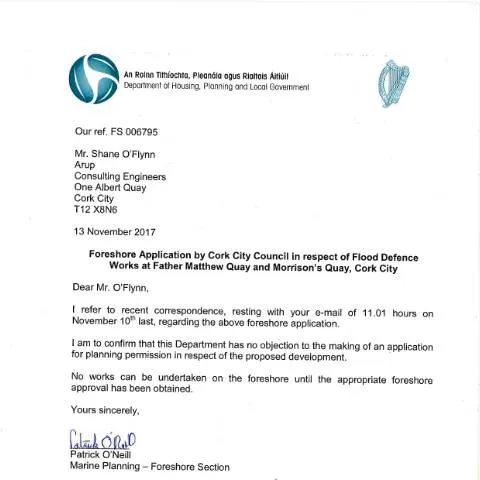
The Cork City Council is embarking on critical flood defence works at Father Matthew Quay and Morrison’s Quay in Cork City. This initiative addresses significant flooding concerns, necessitating a well-coordinated planning application process. In this article, we will delve into the various elements of the planning application, focusing on the Flood Defence Works - Interest in Title Letter submitted to the Department of Housing, Local Government and Heritage.
Context and Importance of Flood Defence Works
Flooding poses a severe risk to both residential and commercial areas, especially in urban settings like Cork. The proposed works are designed as a proactive measure to enhance the city’s resilience against future flooding events. These enhancements are not merely structural; they are also integral to community safety and economic stability.
The Role of the Department of Housing, Local Government and Heritage
The Department of Housing plays a pivotal role in overseeing applications related to flood defence and urban planning. By facilitating these applications, the Department ensures that all necessary environmental and legal considerations are duly addressed. The correspondence from the Department, as seen in the document, confirms the absence of objections to the planning application, indicating a positive step forward for the project.
A Step-by-Step Overview of the Application Process
The planning application process for flood defence works typically follows a structured sequence of events. Here’s a breakdown:
- Initiation of Project: The Cork City Council identifies areas requiring flood defence enhancements.
- Preparation of Application: The Council, in collaboration with planning consultants, prepares the necessary documentation, including the Interest in Title Letter.
- Submission to Authorities: The application is submitted to the Department of Housing and other relevant bodies.
- Public Notification: A public notice is issued to inform local residents and stakeholders.
- Review Period: Authorities review the application and assess potential impacts.
- Decision: Following the review, a decision is made. This includes whether approval is granted or additional information is required.
Dissecting the Interest in Title Letter
The Interest in Title Letter is a crucial document in the planning application, serving as a formal communication regarding the ownership and rights associated with the land in question.
Key Components of the Letter
- Identification of the Applicant: Clearly states who is making the application, which in this instance is the Cork City Council.
- Details of the Proposal: Comprehensive description of the flood defence works being proposed.
- Department's Response: The letter outlines the Department's position on the application, affirming there are no objections.
- Conditions for Approval: It stipulates that works cannot commence without appropriate foreshore approval, highlighting the importance of compliance with regulatory requirements.
Common Pitfalls in the Application Process
While the process is well-defined, applicants must navigate several challenges that may arise during the submission and review stages. Here are some common pitfalls:
Neglecting Legal and Environmental Assessments
One of the biggest oversights is failing to conduct comprehensive assessments that are mandatory before submission. This can delay the application or lead to outright rejection.
Inadequate Public Notification
The importance of notifying the public cannot be overstated. Neglecting this step invites objections and can prolong the application process significantly.
Consequences of Incomplete Applications
Submitting an incomplete application can have significant repercussions, both for the applicant and the local community.
Impact on Project Timelines
Delays due to incomplete documentation can push back the entire project timeline, affecting stakeholders and increasing costs.
Legal Ramifications
If the application is denied due to errors or omissions, the applicant may face legal challenges from stakeholders who feel their interests are compromised.
Engaging with the Administrative Process
Once the application has been submitted, it's essential for applicants to engage proactively with the administrative process. Regular follow-ups with the Department and participating in public consultations can be beneficial.
Tracking Your Application Status
To stay informed about the status of your application, consider the following approaches:
- Online Tracking: Many administrative bodies provide online portals for tracking application statuses.
- Direct Communication: Don't hesitate to contact the relevant department directly for updates.
The Role of the Community in the Application Process
Community involvement is pivotal to the success of flood defence projects. Engaging local residents and stakeholders can lead to fruitful discussions about the potential impacts and benefits of the proposed works.
Benefits of Community Engagement
- Local Knowledge: Residents often possess valuable insights regarding flooding patterns and community needs.
- Building Trust: Open dialogues build trust and can alleviate potential concerns regarding the project.
Conclusion: A Critical Step Toward Resilience
The planning application for flood defence works at Cork City’s key waterfront areas marks a significant step towards enhancing urban resilience. It serves not only to protect infrastructure but also to safeguard the livelihoods of local residents. Engaging comprehensively with the application process, understanding the implications of each document, and fostering community involvement are paramount to the successful realization of these essential works.
Understanding the Planning Application Process for Flood Defence Works
The planning application for flood defence works in Cork City is governed by specific regulations and requirements laid out by the Planning and Development Acts 2000-2021. This application, particularly under the purview of An Bord Pleanála (ABP), necessitates a comprehensive understanding of the context and implications involved. Flood defence works are critical for safeguarding both residential and commercial properties from the adverse effects of flooding, particularly in low-lying areas of the city.
When preparing a planning application for flood defence projects, the applicant must adhere to the guidelines set forth by the Cork City Council and provide robust evidence demonstrating the necessity and efficiency of the proposed works. This includes detailed assessments of environmental impacts, flood risk analyses, and community consultations to ensure all stakeholders are informed and engaged in the process.
A key component of the submission is the Appendix G Interest in Title Letter, which affirms the applicant’s legal interest in the land where the flood defence works will occur. This document must be meticulously crafted, detailing ownership or lease agreements and any easements required for construction. Applicants should consult legal experts familiar with land use and planning regulations to avoid potential delays in the application process due to title disputes or insufficient documentation.
Community Engagement and Stakeholder Consultation
Community engagement is a pivotal aspect of the planning application for flood defence works. Ensuring that local residents, businesses, and interested parties are informed and have the opportunity to provide feedback is not only a legal requirement but also fosters community support for the project. Cork City Council encourages proactive engagement strategies, which may include public meetings, newsletters, and dedicated consultation days to explain the scope of the flood defence works and gather input from the community.
During this process, applicants should consider implementing an outreach plan that includes:
- Informational Meetings: Host sessions where community members can learn about the specifics of the project, including timelines, construction methods, and expected outcomes.
- Feedback Mechanisms: Provide platforms (both online and offline) for community members to voice their concerns and suggestions, ensuring their feedback is taken into account.
- Regular Updates: Keep the community informed throughout the planning and construction phases to maintain transparency and foster trust.
Such engagement not only complies with the requirements set by Cork City Council but also helps to mitigate opposition and enhance the overall feasibility of the proposed flood defence measures.
Funding and Financial Considerations for Flood Defence Projects
Securing funding for flood defence works is a crucial aspect that applicants must navigate effectively. Various avenues exist for funding these projects, including government grants, EU funding, and partnerships with private stakeholders. The Department of Housing, Local Government and Heritage plays a significant role in providing financial support for flood mitigation initiatives through specific programmes aimed at enhancing national resilience to flooding.
When applying for funding, the following considerations should be kept in mind:
- Detailed Project Budget: Provide a comprehensive budget that outlines all projected costs associated with the flood defence works, including engineering surveys, construction, and maintenance.
- Cost-Benefit Analysis: Demonstrate the economic viability of the project by conducting a thorough cost-benefit analysis, showcasing how effective flood defence can prevent future economic losses and enhance property values.
- Compliance with Funding Guidelines: Each funding source will have specific eligibility criteria and application processes that must be strictly adhered to. Familiarising oneself with these guidelines will be critical to securing the required funds.
Furthermore, applicants should explore opportunities for collaboration with local businesses and organisations that may be interested in co-funding or partnering on flood defence initiatives, thereby sharing both the financial and operational responsibilities of implementation.