Navigating the Cork City Council Flood Defence Works Application: An Essential Guide
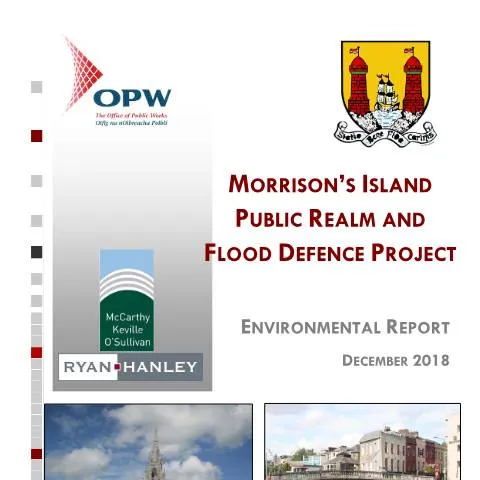
In the heart of Cork City, the ongoing threat of flooding has necessitated the development of strategic planning measures. The Cork City Council Flood Defence Works is a pivotal initiative designed to enhance public safety and protect local infrastructure. This extensive project necessitates adherence to various administrative procedures, notably the Environmental Report required for the planning application, titled Cork City Council - Flood Defence Works — planning application to ABP appendix E environmental report 738 MB. Understanding the intricacies of this document is vital for stakeholders, including residents, developers, and local government officials.
Understanding the Environmental Report: Purpose and Significance
The Environmental Report (ER) is an essential component of the planning process for flood defence works. It examines the potential environmental impacts of the proposed construction and is prepared by accredited consultants on behalf of Cork City Council. In this instance, Ryan Hanley collaborated with McCarthy Keville O’Sullivan Ltd. to create the report, which outlines the expected effects on human health, local ecology, and the community.
This document serves multiple purposes:
- Assessment of Environmental Impacts: It assesses the possible adverse effects of the flood defence scheme on the surrounding environment and suggests mitigation measures.
- Public Engagement: The report encourages public participation by providing an avenue for feedback and discussion regarding the proposed works.
- Regulatory Compliance: The ER ensures that the project aligns with statutory requirements laid out by the Department of Housing, Local Government and Heritage and other governing bodies.
Who is Required to Submit the Application?
The responsibility for submitting the planning application, along with the accompanying Environmental Report, typically falls to the Cork City Council. However, developers or stakeholders seeking to initiate construction within the flood-prone areas may also need to engage with this process. Those involved include:
- Local Authorities: Cork City Council acts as the primary submitting body, ensuring compliance with local regulations.
- Private Developers: Individuals or companies proposing to undertake construction work may need to submit their own applications, complete with an ER.
- Community Representatives: Local community groups or representatives may provide input or feedback during the application phase.
A Step-by-Step Guide to Completing the Environmental Report
Completion of the Environmental Report requires detailed attention to various components. Each section demands careful information gathering and clear articulation of potential environmental impacts. Below are essential steps for effectively completing the report:
1. Preparation of the Report
Before drafting the ER, it’s crucial to gather extensive background information regarding the proposed development site. This necessitates:
- Site Assessment: Evaluate the geographical and environmental characteristics of the area.
- Stakeholder Consultation: Engage with local communities and authorities to gather insights and opinions.
- Research and Documentation: Compile data related to existing environmental conditions and potential impacts.
2. Structuring the Environmental Report
The report should be organized into clear sections that address specific areas of concern:
- Introduction: Provide a comprehensive overview of the project and its purpose.
- Description of the Proposed Development: Detail the engineering measures and design elements that will be implemented.
- Impact Assessment: Analyze potential impacts on human health, flora and fauna, soil, water, air quality, and cultural heritage.
- Mitigation Measures: Recommend strategies to alleviate negative impacts.
3. Submission Procedures
Once the report is prepared, it must be submitted through the appropriate channels:
- Submission to Planning Authority: The completed ER should be submitted along with the planning application to Cork City Council.
- Public Display: The application, including the ER, will be made available for public viewing, inviting comments and feedback from the community.
Addressing Potential Challenges: What If Issues Arise?
While navigating the planning application process, various challenges may emerge, including unforeseen impacts, community pushback, or missing documentation. Here’s how to address such scenarios:
1. Responding to Public Concerns
If members of the community express concerns regarding the proposed flood defence works, it’s crucial to engage in meaningful dialogue:
- Facilitate Public Meetings: Hold sessions to explain the project and gather community feedback.
- Incorporate Feedback: Adjust elements of the project based on public input wherever feasible.
2. Handling Documentation Gaps
In cases where documentation is found to be incomplete or missing:
- Rapid Verification: Quickly verify any outstanding information or reports required for the application.
- Resubmission: Ensure all necessary documents are attached before resubmitting to avoid delays.
Distinguishing the Environmental Report from Other Planning Documents
The Environmental Report is often confused with other planning documents, such as planning applications or impact assessments. Here’s how it stands apart:
| Document | Purpose | Content Focus |
|---|---|---|
| Environmental Report | Assess environmental implications of a project | Environmental impact, mitigation measures |
| Planning Application | Seek permission for proposed development | Design, layout, compliance with planning regulations |
| Impact Assessment | Evaluate effects of a specific action on the environment | Direct impact on surrounding ecosystems and communities |
Legislative Framework: The Foundation of Environmental Reporting
The creation of the Environmental Report is grounded in various legislative frameworks aimed at safeguarding the environment and public health. Key regulations include:
- Constitution of Ireland: Provides the overarching legal framework for environmental protection.
- Environmental Impact Assessment (EIA) Directive: Mandates assessments for projects likely to significantly affect the environment.
- Local Government (Planning and Development) Acts: Sets forth the procedures for planning applications and environmental assessments.
Preparing Justificatory Documentation: A Checklist for Stakeholders
To aid in the completion of the Environmental Report, stakeholders should gather specific documents that substantiate their claims and analyses. Here’s a checklist for efficient documentation:
- Site Maps: Up-to-date maps detailing the area of construction.
- Consultation Records: Logs of community engagements and responses.
- Technical Studies: Reports on hydrology, ecology, and geology relevant to the project.
- Previous Environmental Reports: Any existing documentation related to prior assessments or evaluations of the site.
The Future of Cork City’s Flood Defence Strategy: Impact and Evolution
The ongoing implementation of the flood defence works at Morrison’s Island is not just about infrastructure; it represents a proactive approach to environmental resilience. As climate change intensifies, urban centres like Cork City must adapt continuously, ensuring safety for residents while preserving the integrity of local ecosystems. The Environmental Report serves as a foundational document that guides this balance, ultimately aiming for a sustainable urban future.
In conclusion, the process surrounding the Cork City Council - Flood Defence Works is multifaceted and significant. Understanding the requirements, potential challenges, and the distinction of the Environmental Report is paramount for all stakeholders involved. Through diligent preparation and community engagement, Cork City can ensure effective flood management and maintain its vibrant public realm.
Understanding the Planning Application Process for Flood Defence Works in Cork
The planning application process for flood defence works in Cork, particularly those submitted to An Bord Pleanála (ABP), is intricate and must comply with various local and national regulations. Each application typically contains a series of necessary components, including an environmental report, which assesses potential impacts on the surrounding ecosystem. For instance, when reviewing the application for flood defence works, ABP scrutinizes the environmental report, which must include detailed assessments of the natural environment, water quality, and biodiversity aspects.
The planning application must adhere to the guidelines established in the Planning and Development Act 2000 and its several amendments. Applicants are required to submit a comprehensive project description, including the purpose and reasoning behind the flood defences, proposed designs, and the anticipated benefits. Furthermore, it is essential to consult the Cork City Council's planning policy documents and any relevant Local Area Plans, as they provide context for the proposed works and ensure that they align with the city’s long-term development goals.
An essential aspect to note is the public consultation phase. According to the procedures outlined by ABP, there is a requirement for public notification, allowing citizens, stakeholders, and interested parties to review and comment on the plans. This can significantly impact the outcome of the application, as it encourages local participation and helps address any concerns regarding environmental implications or community effects during the planning phase. Be prepared to engage with the local community and stakeholders, as their insights and feedback can lead to modifications that enhance the project’s viability.
Impact on Local Communities and Stakeholders
The implementation of flood defence works in Cork City is not solely a technical or engineering challenge; it also has considerable implications for local communities and stakeholders. Successful flood defence projects must consider both the environmental impacts and the socio-economic ramifications for local residents and businesses. It is crucial to engage with the community to understand their needs, concerns, and any potential disruptions that the flood defence works might cause.
Public engagement can take various forms, including community meetings, workshops, and surveys to involve residents in the decision-making process. This engagement should occur early in the planning phase, allowing the feedback to shape the design and implementation of flood defences. Furthermore, understanding the perspectives of local businesses and other stakeholders, such as environmental groups and community associations, is vital to fostering collaborative relationships and ensuring project success.
In addition to community engagement, it is also important to assess the potential economic impacts. Flood defence works can lead to increased property values and stimulate local economic activity by protecting businesses from potential flood damage. However, the construction phase may also pose challenges, including disruptions to local traffic patterns and access to businesses. Therefore, it is essential to develop mitigation strategies that minimise negative impacts while communicating clearly with affected parties.
Post-Implementation Monitoring and Maintenance of Flood Defence Measures
Once flood defence works have been approved and constructed, the focus shifts to the crucial aspects of post-implementation monitoring and maintenance. The longevity and effectiveness of flood defences depend on regular assessments and adaptive management practices. This is where collaboration between Cork City Council, environmental agencies, and local communities becomes vital.
Monitoring involves ongoing evaluations to ensure that flood defences function as intended, with particular attention to changes in environmental conditions. Regular inspections and maintenance are necessary to address issues such as erosion, sedimentation, or structural integrity. Cork City Council typically outlines a maintenance protocol in the planning applications that details responsibilities, frequency of inspections, and response strategies for potential breaches or failures.
Furthermore, it is essential to establish feedback mechanisms that allow local residents to report any concerns regarding the effectiveness of the flood defences. By encouraging community involvement in monitoring, authorities can enhance their understanding of on-the-ground realities and adapt their strategies accordingly. Engaging volunteers or local organisations in monitoring efforts can also foster a sense of ownership and stewardship, ultimately contributing to the resilience of the community against flooding.