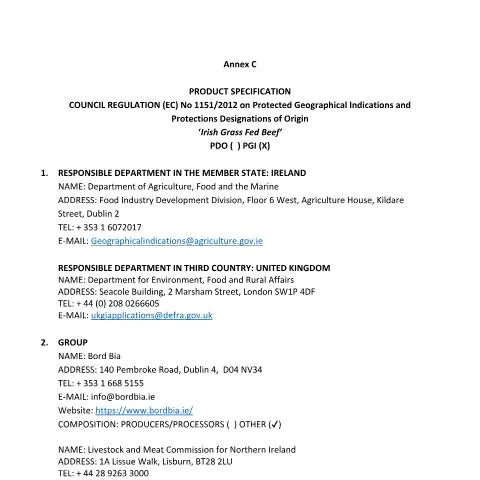
Understanding the PGI Application for Irish Grass Fed Beef
The PGI Application for Irish Grass Fed Beef, referenced as DFEB406B, plays a crucial role in preserving the unique qualities of this prized product. As part of the Protected Geographical Indication (PGI) scheme, it aims to maintain the integrity and standards of beef produced under specific conditions in Ireland and Northern Ireland. This article delves into the intricate details of the application process, providing insights into its significance, the details required, and the subsequent steps that follow.Significance of PGI Status for Irish Grass Fed Beef
Securing PGI status for Irish Grass Fed Beef is vital for both producers and consumers. The PGI designation not only enhances the marketability of the product but also assures buyers of its authenticity and quality. By achieving this designation, beef producers can leverage the unique characteristics associated with grass-fed beef, such as its rich flavor, tender texture, and health benefits over conventionally produced beef. The French and Italian counterparts often have established PGI products, but Irish Grass Fed Beef stands out for its unique production methods and specifications. The careful monitoring of cattle diets and the adherence to strict farming practices set it apart in the market.The Role of the Department of Agriculture, Food and the Marine
The Department of Agriculture, Food and the Marine is primarily responsible for overseeing the PGI application process for Irish Grass Fed Beef. They ensure compliance with EU regulations, particularly Council Regulation (EC) No 1151/2012, which governs PGIs. This department inspects producers and ensures that the beef marketed as 'Irish Grass Fed' meets the stringent criteria. Producers looking to apply for PGI status must follow a set of guidelines and submit their applications to this department. The application is a critical step in the certification process, and it must be completed with precision to avoid any delays.Navigating the Application: Key Sections of DFEB406B
When filling out the PGI Application (DFEB406B), applicants need to be attentive to several critical sections that detail the specifications and requirements for the beef they intend to market. The application is divided into distinct sections, each requiring specific information.1. Responsible Departments
This section requires information about the local and third-country administrators involved in the PGI application process. It's essential to accurately display the contact details of the Department of Agriculture, Food and the Marine in Ireland and the equivalent body in the United Kingdom for tracing purposes.2. Group Representation
Applicants must submit details about Bord Bia, the representative body for Irish food producers, and any other groups involved in beef production. This section helps establish the credibility of the producers and the collective efforts towards maintaining the standards required for PGI status.3. Product Description
Clearly articulating the specifications for 'Irish Grass Fed Beef' is critical. The application must define what constitutes this product, detailing its classifications, such as fresh meat, its grades, and the kinds of cattle eligible for PGI status. The description should highlight the characteristics of the beef, such as its "cherry red" color and low-fat levels, and it should specify the strict dietary guidelines enforced on the cattle that lead to its unique flavor profile.4. Eligibility Criteria
The application should reflect the eligibility of cattle, which includes steers and heifers under 36 months and beef cows with specific fat conformation. Applicants need to ensure they meet these standards, as non-compliance can result in rejection from the PGI status.5. Production Practices
This section outlines the standards and practices that must be followed during the production of grass-fed beef. This includes details such as pasture grazing periods, cattle diet, and humane treatment protocols during transportation and slaughter. Understanding the scientific aspects, such as how the diet impacts meat quality, is essential here, as they reinforce the superiority of Irish Grass Fed Beef.Common Challenges in Completing the Application
Completing the PGI Application can be daunting. Many applicants struggle with understanding the intricate details required and the implications of the information they provide.Identifying Eligible Producers
Producers must be aware of the criteria that classify their beef as eligible for PGI status. Misunderstanding these conditions can lead to unnecessary complications. It's critical that producers review their practices regularly and ensure they align with the outlined specifications before applying.Documenting Production Practices
Adequate documentation of production practices often proves complex, particularly for smaller farms. Keeping detailed records of cattle diets, production methods, and slaughter processes is essential. Implementing a robust record-keeping system can make the application process smoother.Ensuring Accurate Descriptions
The descriptions provided within the application must be precise and reflect the product's qualities accurately. Misrepresentation, even unintentionally, can lead to disqualification. In this regard, producers may consider consulting experts or industry bodies to ensure their descriptions are aligned with PGI standards.Submission Process: Next Steps after Application Completion
Once the application is completed and submitted to the Department of Agriculture, Food and the Marine, it undergoes a detailed review. This process usually includes:- Assessment of Compliance: The department will evaluate the submitted documentation against the EU regulations outlined in the PGI framework.
- Verification Visits: Officials may conduct on-site inspections to confirm that the production practices meet the stated requirements.
- Communication of Decisions: Producers will be informed about the outcome of their application, which could include requests for additional information or clarification on specific points.
The Importance of Compliance and Maintenance
Once PGI status is achieved, compliance with the stipulated requirements is not only essential for retaining certification but also for maintaining consumer trust. Regular audits may be conducted by the Department of Agriculture, Food and the Marine to ensure ongoing adherence to PGI standards.Ongoing Compliance Measures
Producers must establish a culture of compliance within their operations. This involves:- Training Staff: Ensure that all personnel understand the importance of PGI standards and are trained in compliance protocols.
- Regular Audits: Conduct internal audits to verify that production processes remain aligned with PGI requirements.
- Staying Informed: Keep abreast of changes in legislation or updates to PGI standards that may affect production practices.
Conclusion: The Journey of Irish Grass Fed Beef
The PGI Application for Irish Grass Fed Beef is not just a bureaucratic task; it is a commitment to quality, authenticity, and sustainability. By understanding the nuances of this application and the significance of PGI status, producers can contribute to the rich heritage of Irish agriculture while ensuring their product stands out in an increasingly competitive market. Through dedicated efforts and compliance with rigorous standards, the journey of Irish Grass Fed Beef continues to thrive, promising consumers not only a delectable culinary experience but also a product rooted in tradition and respect for quality.Understanding the Criteria for PGI Status in Irish Grass Fed Beef
Protected Geographical Indication (PGI) status is a hallmark of quality and authenticity for products that possess unique characteristics tied to their geographical origin. For Irish Grass Fed Beef, the criteria include various aspects ranging from the animal's diet to the specific practices used in farming. To qualify for PGI status, the beef must come from cattle that are predominantly grass-fed, ensuring a natural diet that influences both the quality of the meat and the sustainability of farming practices.
One of the critical factors is that the cattle must graze on grassland for a minimum of 210 days per year. Additionally, the beef must be processed in Ireland, maintaining the integrity of the PGI designation throughout. This means that any processing, packaging, or labeling must occur within the country, adhering to stringent local regulations and standards. Understanding these criteria isn't just essential for farmers looking to register their beef under PGI; it also informs consumers about the quality and integrity of the product they are purchasing.
Moreover, producers are required to follow specific husbandry practices that promote animal welfare and environmental sustainability. These practices must be documented and certified by relevant authorities, such as the Department of Agriculture, Food and the Marine. Notably, this emphasis on transparent farming practices is a critical selling point for consumers increasingly interested in the origins of their food.
The Role of Certification Bodies in the PGI Application Process
The application process for PGI certification involves a thorough review by recognized certification bodies. In Ireland, organizations like the Food Safety Authority of Ireland (FSAI) and Bord Bia play crucial roles in safeguarding the standards associated with PGI products. These bodies ensure that the beef meets the required quality standards and adheres to the geographical criteria set out by the European Union.
Once an application is submitted, it undergoes a detailed evaluation process, including audits and inspections of farming practices, feeding regimes, and processing methods. The certification body will verify that all aspects of the application align with PGI specifications. This process not only protects the integrity of the PGI status but also enhances consumer confidence in the product. It's essential for farmers and producers to engage with these bodies throughout the application process, providing necessary documentation and transparency about their operations.
Furthermore, the certification bodies facilitate ongoing monitoring and compliance checks after the initial PGI status is granted. This continuous oversight helps maintain the quality and authenticity of Irish Grass Fed Beef, ensuring that the product consistently meets the high standards expected by both domestic and international consumers.
Marketing and Consumer Awareness of PGI Irish Grass Fed Beef
Once PGI status is attained, marketing strategies become pivotal for producers to communicate the unique qualities of Irish Grass Fed Beef to consumers. Educational campaigns highlighting the benefits of grass-fed diets—such as improved flavor and nutritional value compared to grain-fed alternatives—can significantly enhance consumer awareness. Effective marketing should focus on the unique selling propositions of PGI beef, such as its traceability, sustainability, and superior taste profile.
Producers can collaborate with marketing agencies or Bord Bia to develop branding strategies that resonate with target demographics, particularly health-conscious consumers and those interested in sustainable food sources. Engaging storytelling that details the journey of the beef from farm to table can create a deeper connection with consumers, fostering brand loyalty and encouraging repeat purchases.
Additionally, participating in events, trade fairs, and food festivals can provide valuable exposure. These platforms allow producers to showcase their products, connect with potential buyers, and educate consumers about the unique characteristics that define PGI Irish Grass Fed Beef. Leveraging social media and digital marketing can further amplify these efforts, reaching a broader audience while highlighting the artisanal nature of PGI beef production.
Ultimately, raising consumer awareness about PGI Irish Grass Fed Beef not only promotes the individual producers but also reinforces the overall reputation of Irish agriculture on a global scale, making it a vital component of marketing strategies for PGI-certified products.