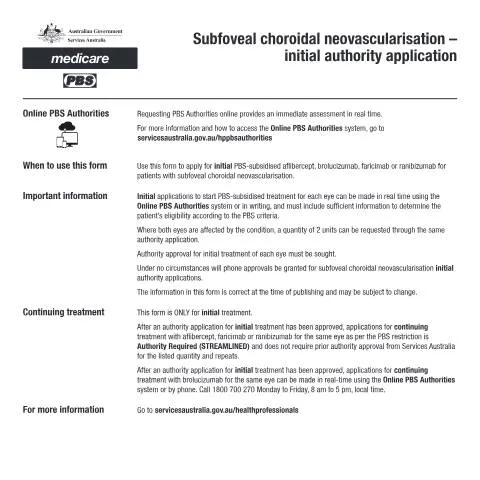
Navigating the PB072 Application: A Vital Step in Securing Treatment
In the complex landscape of healthcare funding, especially for conditions such as subfoveal choroidal neovascularisation (CNV), the PB072 application emerges as a crucial document that can significantly affect a patient's access to necessary treatments. Understanding the nuances of this form is essential for health professionals and patients alike.
Understanding the Landscape: Who Should Consider the PB072?
Subfoveal choroidal neovascularisation is a serious condition affecting the eye, leading to vision impairment. The application for initial authority using the PB072 form is targeted primarily at patients who fit specific medical profiles. Identifying the right candidates for this form can streamline the application process and improve outcomes.
Patient Profiles for PB072 Submission
- Aged Patients: Typically over 50, these individuals may suffer from age-related macular degeneration, making them prime candidates for CNV-related treatments.
- Diabetic Patients: Those with diabetes may also experience CNV, particularly if they have proliferative diabetic retinopathy.
- Other Eye Conditions: Patients with a history of other ocular diseases may also be eligible, as these can contribute to the risk of developing CNV.
It is important for health professionals to assess each patient’s unique circumstances, including previous treatments, overall health status, and potential responses to therapies.
The Anatomy of the PB072 Form: Breaking Down the Sections
The PB072 application form is structured to collect comprehensive information about the patient and the medical justification for the treatment. Understanding each section of the form can prevent delays and reduce the potential for errors during submission.
Key Sections of the PB072 Form
- Patient Details: This section requires basic patient information such as name, date of birth, and residential address. Accuracy is critical to ensure correspondence reaches the right individual.
- Medical History: A detailed account of the patient's medical history related to CNV must be provided. Health professionals should ensure that all relevant past diagnoses, treatments, and responses are documented clearly.
- Current Treatment Plan: This part outlines the proposed treatment, including details about the medication or procedure being requested. Health professionals must be specific to avoid ambiguity.
- Supporting Evidence: Attach relevant clinical evidence supporting the need for treatment. This could include imaging results, referral letters, and specialist opinions.
Distinguishing the PB072 from Similar Forms
Healthcare providers often encounter various forms related to treatments and authorizations. Distinguishing the PB072 from similar documents is critical to avoid confusion and ensure the correct submission.
Comparative Overview of Related Forms
| Form Code | Title | Purpose |
|---|---|---|
| PB072 | Subfoveal choroidal neovascularisation - Initial Authority Application | To obtain authority for treatment of CNV |
| PB073 | Subfoveal choroidal neovascularisation - Renewal Application | For ongoing treatment authorisation |
| PB074 | Retinal Disease Authority Application | For other retinal diseases requiring different treatments |
Understanding these distinctions can help healthcare professionals guide their patients more effectively through the administrative landscape of healthcare services in Australia.
Administration Workflow: What Happens After Submission?
Once the PB072 form is submitted, it enters the administrative workflow of Services Australia. Knowing what to expect can help both patients and health professionals manage their expectations.
Tracking Your Application
Patients should be informed about how to check the status of their application. This often involves using the myGov account linked to Services Australia, where updates can be monitored. Keeping communication lines open with the prescribing doctor can also provide clarity on the next steps.
Processing Times and Follow-Up
While exact processing times can vary, health professionals should advise patients to anticipate a response within a few weeks after submission. If no communication has been received within this timeframe, a follow-up inquiry via Services Australia can be initiated to confirm the status of the application.
Timing and Implications of the PB072 Submission
Timing can be crucial when it comes to the submission of the PB072 form, especially in relation to the patient’s treatment schedule. Understanding when to submit can enhance the efficacy of the treatment plan.
Submission Timing Considerations
- Initial Diagnosis: Ideally, the PB072 form should be submitted soon after a definitive diagnosis of CNV is made to avoid delays in treatment.
- Before Treatment Commencement: The application must be approved before any treatment can begin, making timely submission essential.
Health professionals should work closely with their patients to ensure that all paperwork is completed promptly to prevent unnecessary delays in care.
Preparing Supporting Documents: Tailoring to Different Patient Scenarios
Compiling the right supporting documents can significantly bolster the application. Depending on the patient’s situation, various documents may be required to substantiate the need for treatment.
Types of Supporting Evidence Needed
Consideration of the following documents can enhance the application:
- Clinical Reports: Detailed reports from specialists who have examined the patient and can provide insights into the severity and management of the CNV.
- Imaging Studies: Recent optical coherence tomography (OCT) scans or fluorescein angiography results that visually demonstrate the CNV can be compelling evidence for approval.
- Previous Treatment Records: Documentation of past treatments, their outcomes, and any adverse effects encountered.
Preparing these documents in advance can streamline the application process and improve the chances of a successful outcome.
Conclusion: Empowering Patients and Providers
Successfully navigating the PB072 application process is integral to ensuring timely and effective treatment for patients with CNV. By understanding the nuances of the form, the necessary supporting documentation, and the administrative workflow, healthcare professionals can empower their patients to take control of their treatment journey.
In an era where access to healthcare can often feel daunting, being equipped with the right information and tools can make all the difference in securing the care that patients deserve.
Understanding Subfoveal Choroidal Neovascularisation and Its Impact on Vision
Subfoveal choroidal neovascularisation (CNV) is a serious condition that affects the eye and can lead to significant vision impairment. This abnormal growth of blood vessels beneath the retina often occurs due to age-related macular degeneration (AMD), but it can also be associated with other retinal conditions such as myopia or ocular inflammatory diseases. The presence of these new blood vessels can lead to fluid leakage and bleeding, which ultimately distorts vision and can result in permanent damage if not treated promptly.
Patients experiencing symptoms such as sudden changes in vision, including blurriness, blind spots, or distorted images, should seek immediate medical attention. Diagnosis typically involves imaging tests like optical coherence tomography (OCT) or fluorescein angiography, which can confirm the presence of CNV. Understanding the underlying causes and symptoms of CNV is crucial for effective treatment. Treatment options often include anti-VEGF (vascular endothelial growth factor) injections, photodynamic therapy, or laser therapy, depending on the extent of the condition and the overall eye health of the patient.
Navigating the Initial Authority Application Process (PB072)
When applying for support related to subfoveal choroidal neovascularisation through the initial authority application form (PB072), it's essential to understand the specific requirements and processes involved. This application form is designed for healthcare professionals to request coverage for treatments associated with CNV. The submissions are typically reviewed by the Pharmaceutical Benefits Scheme (PBS) to determine eligibility for funding.
The application process requires detailed information regarding the patient's medical history, including previous treatments and the current state of their vision. It’s advisable for healthcare professionals to provide comprehensive documentation that includes clinical notes, imaging results, and any relevant test results that can support the request. In some cases, a letter of support from an ophthalmologist may also be beneficial.
After submission, the health practitioner may need to respond to queries or provide additional information if requested. Understanding the timeline for application processing is also crucial, as it can vary based on the volume of applications being handled. Typically, an initial authority application may take several weeks to process, and practitioners should keep abreast of any updates or communication from the PBS regarding the status of their application.
Common Challenges and Appeals in the Application Process
Submitting an authority application for treatments related to subfoveal choroidal neovascularisation can be a challenging process, both for patients and healthcare providers. One of the most common challenges faced is the rigorous requirements for documentation and justifying the need for specific treatments. Insufficient or incomplete information can lead to delays or outright denials.
Patients may receive a letter stating that their application for funding has been rejected. In such cases, understanding the reasons for denial is vital. The PBS usually provides specific feedback on what elements were lacking in the application. This information can help practitioners improve the application for a future submission.
Moreover, patients and their healthcare providers have the right to appeal decisions made by the PBS. The appeal process typically involves submitting a formal request for reconsideration, accompanied by additional evidence or clarification that addresses the concerns raised in the initial denial. Familiarity with the Administrative Decisions (Judicial Review) Act 1977 (Cth) can provide an additional layer of understanding regarding the rights of applicants and the mechanisms available for seeking a review.
It’s crucial for both patients and healthcare practitioners to stay proactive throughout the application process. Engaging in thorough discussions about the implications of CNV, the potential need for appeals, and pathways for securing funding can help patients navigate their treatment options more effectively.