Navigating the ROCS Midwife Medical Certificate: Understanding Its Importance in Maternity Care
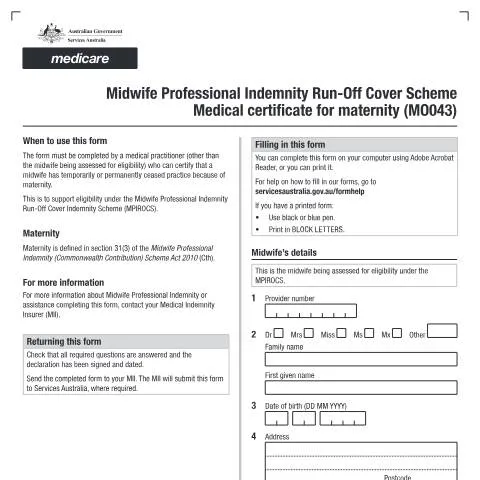
In the Australian healthcare system, specific documentation is required to support various processes, particularly in maternity care. The ROCS (Registered Obstetric Care Services) midwife medical certificate for maternity, also referred to as MO043, plays a pivotal role in this context. Its significance extends beyond mere paperwork, influencing both healthcare service access and compliance with legal and institutional standards.
Understanding the Legal Standing of the ROCS Certificate
The ROCS midwife medical certificate serves as a formal acknowledgement from a certified midwife, indicating the medical needs of a pregnant individual. This document carries substantial weight, offering proof of pregnancy and the necessity for maternity services, which can be critical for accessing various benefits and services.
The Legal Authority Behind the ROCS Certificate
Issued under the auspices of Services Australia, this certificate is recognised across multiple health-related applications. Its legal validity ensures that healthcare providers, insurers, and government bodies accept it as credible evidence in matters concerning maternity care.
Implications of the Certificate for Medical Practitioners
For midwives and healthcare professionals, the ROCS certificate is not merely a formality; it embodies ethical and professional responsibilities. By issuing this certificate, midwives affirm their clinical judgment regarding a patient’s maternity needs, thereby impacting the course of care and support provided to the individual.
Who Can Acquire the ROCS Certificate and Under What Conditions?
The ROCS midwife medical certificate is primarily designed for individuals who are under the care of registered midwives during their pregnancy. To obtain this document, certain criteria must be met:
- Eligibility: The applicant must be receiving maternity care from a registered midwife.
- Assessment: A comprehensive assessment must be conducted to ensure the necessity of the certificate.
- Documentation: Proof of identity and any relevant medical history may be required.
Obtaining the ROCS Midwife Medical Certificate: Step-by-Step Guide
Acquiring the ROCS midwife medical certificate involves several steps, ensuring that recipients are fully aware of their rights and obligations during the process. Here's how to navigate this pathway:
- Engage with a Registered Midwife: Initiate contact with a registered midwife who can assess your situation and determine the need for the certificate.
- Complete the Assessment: During the appointment, the midwife will conduct a thorough examination and review your medical history.
- Certificate Issuance: If deemed necessary, the midwife will complete and issue the ROCS midwife medical certificate.
- Submission: Present the certificate to the appropriate institutions, such as healthcare providers or government agencies.
The Practical Applications of the ROCS Certificate
The ROCS midwife medical certificate serves various essential purposes, notably in the following areas:
Access to Maternity Benefits
Many government services and private insurance plans require this certificate to validate claims or support applications for maternity leave, financial aid, or other maternal health programs.
Documentation for Healthcare Services
Healthcare providers may request the ROCS certificate to ensure they have the necessary information to offer appropriate care and interventions during pregnancy and childbirth.
Facilitating Communication Between Providers
The ROCS certificate acts as a communication tool among healthcare providers, ensuring that all parties involved in the maternity care process are informed of the patient’s conditions and requirements.
In Case of Issues: What to Do If the Certificate Is Lost or Contains Errors
Like any important document, the ROCS midwife medical certificate is subject to loss or inaccuracies. In such cases, it’s crucial to follow specific procedures to rectify the situation:
Steps to Take If the Certificate Is Lost
- Notify the Issuing Midwife: Contact the midwife who issued the certificate to report the loss.
- Request a Replacement: A new certificate can be issued, given that the original's loss is documented.
- Keep Records: Maintain copies of any correspondence regarding the lost certificate for your records.
Addressing Errors on the Certificate
If you discover an error on the ROCS midwife medical certificate, it is essential to address it promptly:
- Contact the Issuing Midwife: Immediately inform the midwife of the discrepancy.
- Provide Correct Information: Supply the midwife with the accurate information needed to amend the certificate.
- Receive the Corrected Document: A revised certificate will be issued upon the midwife’s review and approval.
The Validity and Renewal of the ROCS Certificate
Understanding how long the ROCS midwife medical certificate remains valid and the conditions under which it can be renewed is essential for expectant parents:
Duration of Validity
The ROCS midwife medical certificate typically remains valid throughout the pregnancy and for a short period following childbirth. However, specific timelines may vary based on individual circumstances and institutional requirements.
Renewal Process
In cases where additional certifications are required post-birth, the renewal process can follow these guidelines:
- Consult Your Midwife: Discuss the need for renewal with your midwife.
- Evaluate New Circumstances: Depending on any changes in health or circumstances, a new assessment may be necessary.
- Issuance of Updated Certificate: If approved, the midwife will issue a new or updated ROCS midwife medical certificate.
Conclusion: The ROCS Certificate as Part of Maternity Care
The ROCS midwife medical certificate represents more than a piece of paper; it is a vital component in the complex framework of maternity care in Australia. It facilitates access to essential healthcare services, ensures proper documentation for benefits, and underscores the professional responsibility of midwives. By understanding its importance, eligibility, and the processes involved in obtaining and maintaining this certificate, expectant parents can navigate their maternity journey with greater confidence and assurance.
Understanding the ROCS Process and Its Importance
The ROCS (Registered Obstetrician and Childbirth Specialist) process is crucial for expectant mothers in Australia, particularly when it comes to obtaining maternity benefits and ensuring proper care throughout their pregnancy. The midwife medical certificate for maternity form (MO043) serves as a pivotal document in this process, establishing a formal acknowledgment of pregnancy and the anticipated due date.
By securing a ROCS certificate, expectant mothers not only gain access to necessary medical services but also lay the foundation for potential financial support through Centrelink. This document is typically issued by a registered midwife or obstetrician and must be completed accurately to avoid delays in accessing maternity payments. Additionally, the ROCS process reinforces the importance of prenatal care, highlighting the partnership between healthcare providers and expectant mothers.
Moreover, the ROCS process varies depending on individual circumstances. For instance, first-time mothers may have different requirements compared to those who have had previous pregnancies. It is important to consult with healthcare providers early on to understand the necessary steps and paperwork involved in the ROCS certification process.
Filling Out the MO043 Form: Step-by-Step Guide
Filling out the midwife medical certificate for maternity form (MO043) can seem daunting, especially for first-time mothers. However, with a clear understanding of the requirements and a systematic approach, the process becomes more manageable. Below is a step-by-step guide to help you through the completion of the MO043 form.
Gather Necessary Information: Before starting the form, ensure that you have all essential information at hand. This includes your personal details, contact information, and your Medicare number. If you have had previous pregnancies, gather relevant data about them as well.
Consult with Your Midwife or Obstetrician: Schedule a consultation with your healthcare provider. They will provide valuable insights and assist you in filling out the form accurately. Their role is crucial as their endorsement is necessary for the form's validity.
Complete Personal and Medical Details: The form requires detailed information about your health history, current pregnancy, and expected due date. Be thorough and honest, as this information will help Centrelink determine your eligibility for maternity payments.
Sign and Date the Form: After completing the necessary sections, both you and your midwife or obstetrician must sign and date the form. Ensure that all signatures are present, as missing signatures can lead to processing delays.
Submit the Form: Once signed, submit the MO043 form through your myGov account or directly to Centrelink. Be aware of submission deadlines, as these can affect your eligibility for payments. It's advisable to keep a copy of the submitted form for your records.
Follow Up: After submission, keep track of the status of your application. If you do not receive confirmation or have concerns about your eligibility, reach out to Centrelink for assistance.
By meticulously following these steps, you can ensure a smooth submission process for your MO043 form, which is vital for receiving maternity benefits.
Special Considerations for Diverse Circumstances
In Australia, the ROCS process and the completion of the midwife medical certificate for maternity form (MO043) may vary significantly depending on individual circumstances. Recognizing these variations is essential for ensuring compliance and access to appropriate benefits.
Multiple Births: Expecting twins or more can impact the completion of the MO043 form. Specific details about each child’s due date and respective health considerations must be included. Additionally, parents of multiples may be entitled to increased support through Centrelink, reflecting the additional financial burden.
High-Risk Pregnancies: Women classified under high-risk pregnancies may require specialized care and monitoring. Therefore, the ROCS certificate might need additional documentation from healthcare providers outlining the specific risks associated with the pregnancy. This ensures that all necessary medical interventions can be accessed promptly.
Indigenous and Torres Strait Islander Mothers: Culturally appropriate care is vital for Indigenous and Torres Strait Islander mothers. When completing the MO043 form, it may be beneficial to consult with healthcare providers familiar with culturally sensitive practices to ensure that the process accommodates the unique needs of these communities.
International Students: For international students residing in Australia, navigating the ROCS process may include additional complexities, particularly regarding eligibility for Medicare and Centrelink benefits. It’s crucial to verify specific requirements that apply to your visa status and ensure that the MO043 form is filled out in a manner that aligns with your unique circumstances.
Home Births: If you are planning a home birth, you will still need to complete the MO043 form with accurate details regarding your pregnancy. In this case, ensure that your midwife is registered and familiar with the ROCS process. Some services may differ for home births, so clear communication with your midwife about any additional paperwork required is necessary.
Changes in Personal Circumstances: Life can be unpredictable, and changes such as relocation, changes in employment, or relationship status may affect your eligibility for various maternity benefits. Always communicate these changes to Centrelink, as they may influence the assistance available to you.
Navigating these special circumstances with care and diligence can ensure you receive the appropriate support tailored to your unique situation.