Navigating the Early HER2 Positive Breast Cancer Authority Application: Insights and Steps
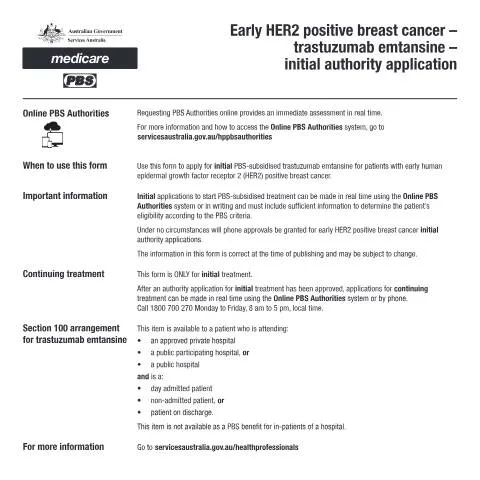
When a diagnosis of early HER2 positive breast cancer is made, navigating the healthcare system becomes crucial. One essential step in this journey is the Early HER2 positive breast cancer - trastuzumab emtansine - initial authority application form (PB289). This document is pivotal in securing access to trastuzumab emtansine, allowing healthcare professionals to manage treatment efficiently. Understanding how to utilize this form effectively can significantly impact patient outcomes.
Understanding the Timeline: Key Dates and Follow-up Actions
The process of applying for trastuzumab emtansine requires a clear timeline. It's vital for healthcare providers and patients to be aware of significant dates and the sequence of actions required.
Application Submission and Processing Time
The initial authority application form PB289 must be submitted promptly after diagnosis and prior to starting treatment. Generally, the processing time for these applications depends on several factors, including the completeness of the application and the current workload of Services Australia.
- Submission: Ideally, the form should be submitted as soon as the need for treatment is established.
- Processing: Expect a processing time that can vary; it’s beneficial to check periodically for updates directly through Services Australia.
Post-Submission Steps
Once the application is submitted, there are several critical follow-up actions:
- Monitor the application status via the myGov portal.
- Prepare for potential requests for additional information or documentation.
- Be ready to begin treatment promptly upon approval.
Who Benefits from Form PB289? Profiles and Unique Circumstances
This application is not just a standard form; it serves a critical role for specific profiles within the community battling early HER2 positive breast cancer. Identifying who will benefit from this application is essential.
Patient Profiles
Healthcare providers will encounter diverse patient circumstances that necessitate this application:
- Newly Diagnosed Patients: Individuals recently diagnosed with early HER2 positive breast cancer.
- Patients with Treatment History: Those who have previously been treated for other types of breast cancer but are now facing a HER2 positive diagnosis.
- Age Considerations: Younger patients may have different implications regarding treatment decisions and responses.
Exceptions and Special Cases
Certain circumstances may impact the application process:
- Eligibility Criteria: Patients must meet specific medical criteria for trastuzumab emtansine to be approved.
- Geographic Variability: Some jurisdictions may have unique requirements or regional practices, which could affect the preparedness of healthcare professionals.
The Application Process: From Diagnosis to Submission
Understanding the whole process is crucial. Here’s a structured outline of the steps from diagnosis to application submission.
Step 1: Diagnosis and Treatment Planning
The journey begins with a confirmed diagnosis of early HER2 positive breast cancer. During this phase, medical professionals assess the patient's need for trastuzumab emtansine as part of the treatment plan.
Step 2: Completing the PB289 Form
Once the decision is made to apply, healthcare providers must accurately complete the PB289 form. Important sections include:
- Patient Information: Personal and medical details should be detailed accurately to avoid delays.
- Medical History: A comprehensive medical history that supports the need for the requested treatment.
- Clinical Justification: Clear justification from a medical professional regarding why trastuzumab emtansine is recommended.
Step 3: Submission via Services Australia
The completed form should be submitted through the appropriate channels. Typically, this can be done online via the myGov platform, ensuring that all necessary documents are attached to avoid processing delays.
Integration with Wider Health Initiatives and Procedures
The PB289 form is nested within broader health initiatives aimed at providing optimal care for breast cancer patients. Understanding its role in this network is essential for healthcare providers.
Connection to Other Applications and Authorizations
While the PB289 form specifically addresses trastuzumab emtansine authorization, it often interacts with other treatment applications:
- Other Breast Cancer Treatments: Patients may also require authorization forms for additional therapies.
- Health Insurance Claims: Coordination with insurance providers may be necessary based on the treatment plan established.
Distinguishing PB289 from Similar Forms
Many forms exist within the healthcare framework in Australia, but PB289 has unique attributes that set it apart.
Key Distinctions
Understanding these differences can help prevent confusion and ensure the appropriate application is used:
- Specificity: Unlike general cancer treatment forms, PB289 targets trastuzumab emtansine specifically for HER2 positive patients.
- Authority Level: This form requires a higher level of clinical justification, underscoring its importance in the treatment decision process.
Addressing Potential Hurdles: Refusals and Missing Information
Even with careful preparation, hurdles such as application refusals or missing information can arise. It’s crucial to know how to handle these situations effectively.
What to Do in Case of Refusal
If an application for trastuzumab emtansine is refused, the following steps should be taken:
- Review the Feedback: Understand the reasons for refusal, which are typically outlined by Services Australia.
- Consult with Healthcare Professionals: Reassess the treatment plan in light of the refusal and consider alternative therapies.
- Appeals Process: If applicable, initiate an appeal based on additional evidence or clarification provided by healthcare professionals.
Handling Missing Information
Applications can be delayed due to incomplete information. In these cases:
- Respond Promptly: Quickly provide any additional documents or information requested by Services Australia.
- Clarify Requirements: Consult directly with Services Australia if there are uncertainties regarding what is needed.
A Regulatory Framework Worth Understanding
Understanding the regulatory context surrounding the PB289 form is essential for healthcare providers and patients alike.
Historical Context and Legal Framework
The PB289 form is grounded in the broader legal and regulatory frameworks governing healthcare in Australia. It is pertinent to note:
- Administrative Decisions (Judicial Review) Act 1977 (Cth): This legislation provides the basis for reviewing administrative decisions regarding health-related authorizations.
- AAT Merits Review: Patients have the right to seek review of decisions made under this law, highlighting the importance of proper submissions.
Ongoing Revisions and Updates
As healthcare practices evolve, so do forms and processes. Regular updates to the PB289 form reflect new clinical guidelines and medical advancements.
Final Considerations: Ensuring a Smooth Process
Ultimately, the process of applying for trastuzumab emtansine through the PB289 form is integral to the treatment journey for patients with early HER2 positive breast cancer. By understanding the intricate details of this application, healthcare providers can better advocate for their patients, ensuring timely access to necessary treatments. Continuous communication with Services Australia and thorough preparation of the application can lead to positive outcomes and improved patient care.
Understanding Early HER2 Positive Breast Cancer Treatment Options
Early HER2 positive breast cancer is a specific subtype of breast cancer that tests positive for the human epidermal growth factor receptor 2 (HER2). This form of cancer tends to grow faster and is more aggressive than other types. Treatment for early HER2 positive breast cancer typically involves a combination of surgery, chemotherapy, and targeted therapies. For many patients, trastuzumab emtansine (Kadcyla) has emerged as an effective treatment option.
Trastuzumab emtansine is a conjugate that combines trastuzumab, a monoclonal antibody that targets the HER2 receptor, with a cytotoxic agent called DM1. This drug works by delivering the chemotherapy directly to the cancer cells, reducing the toxicity typically associated with conventional chemotherapy. Patients considering this treatment should consult with their healthcare provider to understand the benefits, potential side effects, and how it fits into their overall treatment plan.
Eligibility for trastuzumab emtansine treatment is determined through assessments that may include the cancer's stage, the patient's overall health, and prior treatment responses. It's essential for patients to discuss their medical history and treatment goals with their oncologist, who will help navigate the complexities of early HER2 positive breast cancer management.
Navigating the Initial Authority Application Process for Trastuzumab Emtansine
The process of applying for an Initial Authority for trastuzumab emtansine (PB289) is critical for patients in Australia who wish to access this targeted therapy for early HER2 positive breast cancer. This application must be completed accurately to ensure the best chance of approval. It is important to gather all necessary documentation and evidence to support the application, including pathology reports, treatment histories, and any relevant imaging results.
The Initial Authority application form (PB289) serves as a crucial tool in the approval process. Patients or their healthcare providers can fill out this form, which collects information about the patient's diagnosis, treatment plan, and other pertinent medical details. The submission should clearly demonstrate the medical necessity of trastuzumab emtansine as part of the treatment regimen.
Once submitted, the application is reviewed by Services Australia or relevant health authorities, who assess the evidence based on clinical guidelines and criteria outlined for the medication. Understanding these criteria is critical as it can significantly influence the outcome. For instance, the review may consider whether the patient meets specific biological markers or has had previous treatment failures.
Patients are encouraged to maintain communication with their healthcare providers throughout this process. If the initial application is denied, there are avenues for appeal or reapplication, often requiring additional information or clarification of the patient's treatment needs.
Support Resources for Patients and Caregivers
The journey through early HER2 positive breast cancer treatment can be overwhelming, not just for patients but also for caregivers. It's crucial for both to have access to reliable support resources. Understanding the treatment process, including the Initial Authority application for trastuzumab emtansine, can help alleviate some stress and uncertainty.
Support groups, both in-person and online, provide a platform for patients and caregivers to share experiences, tips, and emotional support. Local cancer organizations in Australia offer various resources, including informational pamphlets, educational seminars, and workshops focused on navigating cancer treatment and understanding medication administration.
Financial support and counseling services are also vital resources. Patients can explore options through government services, such as Medicare and Centrelink, which may offer financial assistance or rebates for medical treatments and hospital visits. Additionally, some non-profit organizations provide grants or assistance to help cover out-of-pocket expenses related to cancer treatment.
Having an open dialogue with healthcare providers about the emotional and psychological impacts of a cancer diagnosis is also essential. Many hospitals and cancer treatment centers have dedicated support services, including social workers and psychologists, who can assist in managing the psychological aspects of treatment and coping mechanisms.
Ultimately, combining medical treatment with robust support networks can greatly improve the overall experience for patients facing early HER2 positive breast cancer. Whether through peer support, financial assistance, or professional mental health services, patients and their caregivers are encouraged to seek help and access the resources available to them.