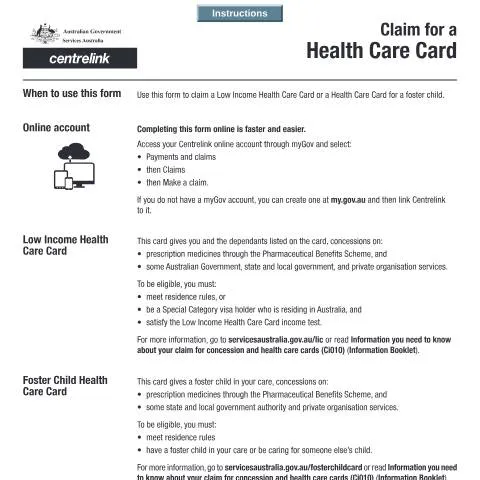
Navigating the Journey to Secure Your Health Care Card
In a landscape where healthcare access can often feel like a maze, obtaining a Health Care Card can significantly ease the financial burden for eligible individuals and families. This card provides a range of benefits, including cheaper medications and reduced costs for certain health-related services. However, the path to acquiring this essential document is not always straightforward. Understanding the steps to successfully navigate the application process is crucial for anyone seeking this support.
The Importance of Timely Submission: What You Need to Know
The timeline for submitting your application for a Health Care Card is pivotal. It's essential to submit your claim promptly to maximize your benefits and ensure continuous support. Once your application is lodged, here’s what generally follows:
- Confirmation of Application: After submission, you will receive a confirmation from Services Australia, typically via your myGov account, detailing the next steps.
- Assessment Period: Your application will go through a review period, where the relevant information will be assessed by Services Australia. This can vary in duration depending on the complexity of your case.
- Notification of Outcome: A decision will be communicated to you once the assessment is completed. If approved, your Health Care Card will be provided shortly after.
Understanding this timeline is vital for managing your expectations and planning accordingly for any health-related expenses that may arise.
Who Should Consider This Application? A Detailed Perspective
Eligibility for a Health Care Card is not one-size-fits-all; rather, it encompasses a range of circumstances that an applicant might find themselves in. Various profiles may qualify, as outlined below:
- Low-Income Individuals: If your income falls below a certain threshold, you may be eligible for a card.
- Parents or Guardians: Single parents or those responsible for dependents can often qualify, especially if facing financial difficulties.
- Seniors: Older Australians, particularly retirees with limited income, may find this card beneficial.
Moreover, specific exceptions apply, such as for those receiving particular types of government support, which may streamline the application process.
Completing the Application: A Step-by-Step Guide
Filling out the application for the Health Care Card (SS050) requires careful attention to detail. Here’s a streamlined approach to ensure you provide all necessary information and avoid delays:
- Gather Your Information: Collect personal details such as your Tax File Number (TFN), income details, and any relevant documentation demonstrating your financial situation.
- Utilize MyGov: Access your myGov account to complete the application electronically, which is generally faster than paper submissions.
- Double-Check for Completeness: Ensure all fields are filled correctly. Missing or incorrect information could lead to delays or rejection.
- Submit Your Application: After thorough review, submit your application and keep a copy for your records.
What Happens Next? Understanding the Review Process
Once your application is submitted, it enters the review phase, during which Services Australia will verify the information provided. This stage is critical, as the outcomes hinge on the accuracy and completeness of your submission. Here is what generally occurs:
- Document Verification: Services Australia will check all the documents you submitted against their criteria.
- Potential Requests for Additional Information: If there are gaps or unclear details, you may be asked to provide further information.
- Final Decision: After thorough assessment, you will receive a notification about the success or failure of your application.
It's important to remain proactive during this period. If you have not received feedback within the expected timeframe, consider following up with Services Australia for clarity.
Addressing Rejections: Steps to Take if Your Application is Denied
Receiving a rejection can be disheartening, but it is not the end of your journey toward securing a Health Care Card. Here’s how to respond if your application is denied:
- Understand the Reason: Review the rejection letter carefully to comprehend the reasons provided for the denial.
- Gather Supporting Evidence: If applicable, collect additional documentation that may help to strengthen your case.
- Request a Review: If you believe your application was unjustly denied, you can request a merits review from the Administrative Appeals Tribunal (AAT).
Engaging in this process requires diligence, but many applicants successfully overturn initial decisions and secure their Health Care Cards after appealing.
Special Circumstances: Navigating Unique Situations
Not everyone fits a typical profile when applying for a Health Care Card. Certain unique circumstances can influence the application process:
- International Students: If you are a temporary resident studying in Australia, there may be specific eligibility criteria that differ from permanent residents.
- Minors: Applications for Health Care Cards for individuals under 18 typically need to be lodged by a parent or guardian.
- Complicated Financial Situations: If you have income from various sources or face extraordinary expenses, it may be advisable to seek additional guidance before applying.
Recognizing the nuances in your situation can significantly affect how you prepare your application and what supporting documents you provide.
The Legal Framework: Understanding the Landscape Behind the Application
The process for obtaining a Health Care Card is framed within a broader legal context that ensures fairness and assessment integrity. Some key points include:
- Administrative Decisions (Judicial Review) Act 1977: This legislation provides the basis for individuals to challenge decisions made by administrative bodies, including those relating to health care support.
- Merits Review via AAT: The ability to appeal decisions through the AAT offers applicants a structured avenue for redress, ensuring that every case is given due consideration.
Understanding these legal provisions not only empowers applicants but also reinforces the importance of accurate and complete submissions to avoid unnecessary complications.
Conclusion: The Path Forward
Securing a Health Care Card can be a transformative step in alleviating healthcare costs; however, navigating the application process requires careful preparation and awareness. By understanding the steps involved, recognizing your eligibility, and knowing how to respond to potential hurdles, you can significantly improve your chances of obtaining this valuable support. Whether you are applying for the first time or reconsidering a previous application, remember that each step is integral to your overall health and financial wellbeing. For further information or specific inquiries, consulting the official Services Australia guidelines is always recommended.
Understanding the Eligibility Criteria for a Health Care Card
To effectively navigate the application process for a Health Care Card in Australia, it’s essential to fully understand the eligibility criteria that determine who qualifies for this important support. The Health Care Card is primarily aimed at individuals and families who are on a low income, providing them access to a range of health-related services at reduced costs.
Eligibility for the Health Care Card can be divided into several key categories:
Income-based Eligibility: One of the primary determinants for receiving a Health Care Card is income. For most applicants, the income test considers the total income of you and your partner (if applicable). This includes wages, pensions, allowances, and other earnings. As of the latest updates, the threshold limits can vary slightly, so checking the most recent figures on the Services Australia website is advisable.
Age and Residency Requirements: Generally, applicants need to be over the age of 16 and a permanent resident in Australia. Temporary residents and some visa holders may not qualify unless they meet specific circumstances.
Special Circumstances: There are additional provisions for certain groups, such as those experiencing financial hardship due to disability, unemployment, or significant health issues. If you have children under the age of 16 or are a sole parent, these factors may also influence your eligibility.
Assessment of Assets: While the primary focus is on income, there may also be an assets test depending on your specific situation, such as ownership of property or investments.
Ongoing Qualifying Conditions: If you previously received a Health Care Card but have had changes in your circumstances (e.g., a increase in income), it’s crucial to report these changes as they may affect your ongoing eligibility.
Understanding these criteria not only aids in a successful application but also helps applicants know if they need to provide additional documentation or evidence to support their claim.
Application Process for the Health Care Card: What to Prepare
Navigating the application process for a Health Care Card can seem daunting, but being well-prepared can significantly improve your chances of a successful claim. Here’s a detailed guide on what you need to prepare before submitting your application:
Gather Required Documentation: Before you apply, ensure you have all necessary documentation at hand. This includes:
- Proof of identity (e.g., passport, birth certificate)
- Proof of residency (e.g., utility bills, lease agreements)
- Financial documents (e.g., payslips, bank statements, tax returns) to assess your income level.
Submitting Your Application: Applications can be submitted online through the myGov portal linked to Services Australia, which requires you to have a myGov account. If you prefer a paper application, you can download the necessary forms from the Services Australia website or request them via post.
Utilizing the Help Available: Services Australia offers assistance for those who may have difficulty completing forms or understanding the requirements. Don't hesitate to reach out to their helpdesk or visit a local Centrelink office for in-person assistance.
Keeping Track of Your Application: Once your application is submitted, you can track its progress through your myGov account. It’s also crucial to keep copies of all submitted documents for your records.
Responding to Requests for Further Information: Sometimes, after an application is submitted, Services Australia may request additional information to support your application. Be prompt in responding to these requests, as delays may impact the processing time.
By ensuring all documentation is in order and understanding the application process, applicants can mitigate potential delays and improve their chances of receiving the Health Care Card in a timely manner.
Renewing and Maintaining Your Health Care Card: A Guide
Once you have obtained your Health Care Card, it’s important to understand the renewal process and how to maintain eligibility. The Health Care Card does not last indefinitely, and staying informed about renewal requirements is vital to continuing your benefits.
Renewal Process: Generally, the Health Care Card is issued for a period of 1 to 2 years, depending on individual circumstances. Prior to the expiration of your current card, you should receive a renewal notice from Services Australia. It will typically outline the renewal process and any documentation you need to provide. Renewing is often easier than the initial application since you will have established your eligibility already.
Reporting Changes: Throughout the duration of your Health Care Card, it’s crucial to report any changes in your circumstances that may affect your eligibility. This includes changes in income, family composition, or residency status. Failing to report these changes can lead to overpayments, which must be repaid, or even loss of the card.
Updating Personal Information: If you change your address, become employed, or experience changes in your health that could affect your eligibility, ensure that your details are updated in your myGov account or directly through Services Australia.
Reassessing Your Eligibility: There may be instances when your financial situation improves significantly, making you ineligible for the Health Care Card. If you believe you no longer qualify, it's good practice to inform Services Australia and review the potential impact on other benefits you might be receiving.
Accessing Services with Your Card: Your Health Care Card can provide substantial savings on various health services, including discounted prescription medications through the Pharmaceutical Benefits Scheme (PBS). Make sure to keep your card handy at appointments, as service providers will often ask to see it to confirm your eligibility for reduced fees.
Navigating the complexities of maintaining your Health Care Card may seem overwhelming, but staying proactive about renewals and updates can ensure you continue to benefit from the services it provides.