Navigating the SCP-Application-Automated-Process: A Practical Guide
In the dynamic landscape of Trinidad and Tobago's administrative processes, the SCP-Application-automated-process serves as a crucial mechanism for senior citizens seeking pensions. Understanding this form within the broader context of social services can greatly enhance the user experience and ensure compliance with government regulations. This article delves deep into the necessary steps for successfully navigating this application process, clarifying the intricacies that may arise along the way.
Understanding the Context of the SCP Application
The SCP application is not just a standalone document; it exists as part of a larger framework aimed at supporting senior citizens in Trinidad and Tobago. The Senior Citizens Pension is a critical financial resource designed to alleviate the economic pressures faced by the elderly. The application process aims to streamline access to these benefits, reducing the need for physical visits to government offices and facilitating a more convenient online method.
Integration with Wider Services
The SCP-Application-automated-process is closely linked with other government services. Notably, it dovetails with the Ministry of Social Development and Family Services’ initiatives, which encompass welfare programs, health services, and community support systems. By understanding this interconnection, applicants can better appreciate the importance of providing accurate information and the potential impact it has on their overall eligibility for various services.
Distinctive Features of the SCP Application Form
While many may confuse the SCP application with other pension forms or benefits applications, it possesses unique characteristics that set it apart:
- Target Demographic: Specifically tailored for senior citizens, this application prioritizes their unique needs and circumstances.
- Automated Process: Unlike traditional methods, this form utilizes an online platform designed to facilitate ease of use.
- Documentation Requirements: The SCP application mandates specific identification documents, crucial for verifying the applicant's identity and eligibility.
Documentation Checklist
Preparing the right documentation is pivotal. Below is a list of necessary documents that must accompany your application:
| Document Type | Description | Notes |
|---|---|---|
| National Identification Card | Proof of identity | Must be current and valid |
| Computerized Birth Certificate | Proof of age and citizenship | Original document required |
| Affidavit (if necessary) | Details regarding any discrepancies or special conditions | Consult with legal services for clarity |
| Selfie with Photo ID | For identity verification purposes | Ensure good lighting and clarity |
The Application Submission Process
Completing the SCP-Application involves several well-defined steps that applicants must follow closely to avoid delays:
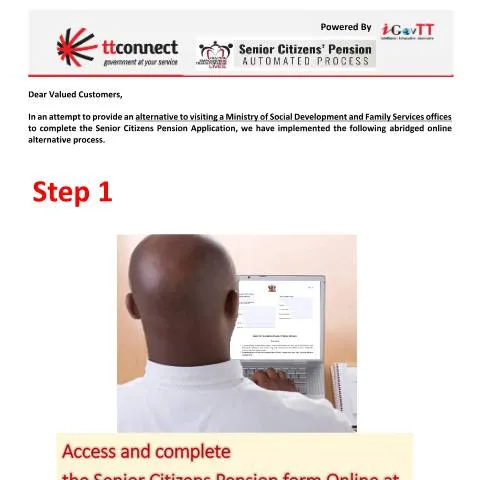
- Accessing the Online Form: Begin by navigating to the designated online portal. Ensure that you have a reliable internet connection to avoid disruptions.
- Completing the Form: Fill in all required fields accurately. Be sure to double-check for any typographical errors that could lead to complications.
- Document Preparation: Following the completion of the form, gather the required documents listed above. Each document must be scanned and properly labeled.
- Submission: Compile all documents into a single email and send them to [email protected]. In the subject line, clearly state “SCP Application Submission” to ensure proper processing.
After Submission: What’s Next?
Once your application is submitted, there are a few important points to keep in mind:
- Confirmation of Receipt: Make sure to receive confirmation from the ministry acknowledging receipt of your application. This is crucial for future reference.
- Processing Time: Keep an eye on the processing timeline. While specific durations may vary, you should generally expect feedback within a set period. If you have not received any updates, consider following up with the ministry.
Consequences of Incomplete Applications
Filing an incomplete application can have significant repercussions, including delays in receiving benefits. It is essential for applicants to understand their rights and obligations in this process. Applications lacking the necessary documentation are often rejected or returned for resubmission, leading to frustration and unnecessary delays. If your application is denied, you have the right to appeal the decision.
Actions Following a Denial
In the unfortunate event that your application is denied, the following steps can be taken:
- Review the Denial Notice: Carefully read the reasons for denial. This will help in understanding what went wrong and how to rectify the issues.
- Gather Additional Documentation: If the denial was due to missing documents or information, promptly gather the necessary paperwork.
- Submit an Appeal: Prepare a formal appeal letter addressing the reasons for denial and include any additional documents. This must be sent to the designated appeal office as indicated in the denial notice.
Common Misunderstandings About the SCP Application
There are several common misconceptions regarding the SCP application that can lead to complications for applicants:
- Assuming All Forms are the Same: The SCP application has unique requirements and should not be confused with other pension or social assistance forms.
- Underestimating the Importance of Accuracy: Providing inaccurate or incomplete information can lead to significant delays or even denial of benefits.
- Not Following Up: Many applicants may fail to follow up on their applications, resulting in missed opportunities or prolonged waiting times.
Preparing for Future Applications
Successfully navigating the SCP application process sets a precedent for engaging with other administrative forms in Trinidad and Tobago. Here are some tips for streamlining future administrative processes:
- Stay Informed: Regularly check the Ministry of Social Development and Family Services website for updates on procedures and requirements.
- Maintain Organized Records: Create a system for organizing documentation that can easily be referenced for future applications.
- Seek Assistance: When in doubt, don't hesitate to reach out to community organizations or legal advisors who can provide guidance and support.
By equipping oneself with knowledge and preparation, applicants will not only navigate the SCP application process successfully but will also foster a sense of empowerment in dealing with governmental procedures.
Understanding the SCP Application Process: Key Steps and Requirements
The Special Certificate Programme (SCP) in Trinidad and Tobago is designed to streamline the application process for various governmental services, particularly pertaining to citizenship and residency. Understanding the key steps involved in this automated process can significantly ease the navigation through bureaucratic channels.
To initiate the SCP application, applicants must first ensure that they meet the eligibility criteria, which may include residency requirements, financial stability, and compliance with local laws. It is advisable to collect all necessary documents beforehand, including identification, proof of residence, and any pertinent certificates that demonstrate your eligibility. The required documents are often detailed in the SCP guidelines, accessible through the Immigration Division's official portal.
Once the preparation stage is complete, applicants can proceed to fill out the SCP Application Form, which is crucial for initiating the process. The form is typically structured to collect comprehensive information regarding the applicant’s background, family details, and the purpose of the application. Accurate and thorough completion of this form is essential, as any discrepancies could lead to delays or denial of the application.
After submitting the application, an acknowledgment receipt is usually generated, which serves as proof of submission. It is important to keep this document safe, as it may be required for follow-up inquiries. Applicants can check the status of their application through the central ttconnect portal, which is designed to provide accessibility and transparency throughout the process.
Additionally, there may be a waiting period for processing applications, which can vary based on the complexity of individual cases. During this time, applicants should remain vigilant for any communication from the Immigration Division, as they may require additional information or documents to facilitate their review.
Ensuring Compliance with Local Legislation: A Guide for SCP Applicants
Compliance with the legal frameworks governing the SCP application process is vital for a successful outcome. Trinidad and Tobago’s constitution, along with specific acts of Parliament, outlines the rights and responsibilities of applicants as well as the government's duties in processing these applications. Understanding these legalities is crucial for any applicant.
For instance, applicants must be aware of the provisions of the Immigration Act, which governs the entry, stay, and exit of individuals within the country. This act provides the foundation for the SCP application process, determining eligibility criteria, and outlining the responsibilities of both the applicant and the government.
Additionally, applicants should familiarize themselves with the various regulations set forth by the Ministry of National Security and the Immigration Division. These may include requirements related to criminal background checks, health assessments, and financial disclosures. Non-compliance with these regulations can lead to severe consequences, including rejection of the application or legal ramifications.
Moreover, it is essential for applicants to understand that certain exceptions may apply based on individual circumstances. For instance, individuals with specific skills or qualifications may be prioritized in the processing of their applications. Therefore, engaging with legal counsel or a professional familiar with immigration law can be advantageous in navigating these complexities.
Utilizing Digital Tools for an Efficient SCP Application Experience
In recent years, Trinidad and Tobago has made significant strides towards digitizing its administrative services, especially through platforms like ttconnect and e-Tax. For SCP applicants, leveraging these digital tools can enhance the efficiency and ease of the application process.
The ttconnect platform serves as a one-stop shop for accessing government services online. Applicants can create a ttconnect ID, which allows them to submit their SCP applications electronically, track progress, and receive updates directly via email or text notifications. This digital approach not only saves time but also provides applicants with a sense of control over their application status.
Additionally, the e-Tax system can be utilized for any financial disclosures or tax-related documentation that may be required during the SCP application process. By using e-Tax, applicants can submit tax returns, pay relevant fees, and verify their financial compliance quickly and securely.
Furthermore, the use of digital platforms can mitigate issues such as lost paperwork or delays due to physical submission. It is recommended that applicants familiarize themselves with these systems and follow the necessary steps for registration to fully benefit from the digital services offered by the government.
Lastly, staying informed about updates or changes in the SCP application process through official government channels and social media pages can help applicants remain proactive, ensuring that they are aware of any new requirements or modifications to existing ones.