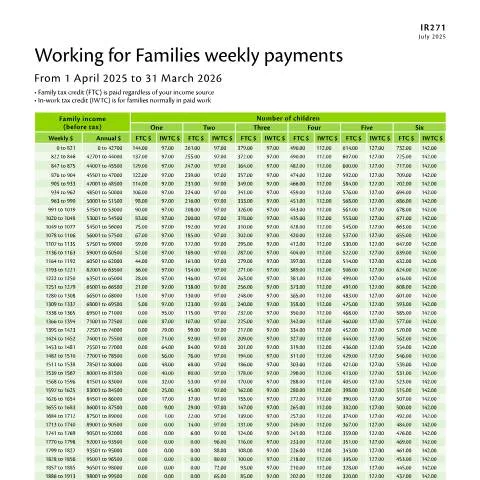
Understanding the IR271 2026 Form: A Critical Step for Families in New Zealand
Navigating the maze of New Zealand's social support systems can feel overwhelming, especially for families seeking financial assistance. The IR271 2026 form, administered by Working for Families, is pivotal in facilitating access to vital financial support through tax credits. Understanding the nuances of this form can significantly impact a family’s financial stability. This article delves into the complexities and practicalities surrounding the IR271 form, ensuring that users can maneuver through the process effectively.
Who Should File the IR271 2026 Form?
The IR271 2026 form is targeted primarily at families receiving, or intending to receive, assistance under the Working for Families tax credits scheme. This group typically comprises:
- Families with dependent children aged under 18 years.
- Parents or guardians who are in regular paid employment.
- Families whose income may vary or is precarious.
Specific scenarios warrant the submission of the IR271 form:
- New Zealand residents or citizens applying for the first time.
- Families adjusting their application due to changes in income or family circumstances.
- Families appealing previous decisions regarding tax credits.
Understanding these profiles is crucial, as eligibility requirements can significantly affect the type and amount of assistance available.
The Significance of Accurate Information: Filling Out the IR271 2026
Completing the IR271 form accurately is critical. The information provided determines eligibility for various tax credits such as the Family Tax Credit (FTC) and the In-Work Tax Credit (IWTC). Each piece of data plays a role in assessing the family's financial needs.
Key Sections of the Form
The IR271 2026 form comprises several sections, each requiring specific information:
- Personal Information: Include the names and IRD numbers of parents and children.
- Income Details: Provide accurate income information, including wages, salaries, and any other sources of income.
- Family Composition: Detail the number of dependent children and their ages, which directly affects the FTC amount.
- Banking Information: Specify bank account details for payment processing.
Particular attention should be paid to the income declaration, as inaccuracies can lead to delays or denial of assistance.
Common Pitfalls and How to Avoid Them
Many applicants encounter challenges during the completion of the IR271 form. Here are common pitfalls:
- Omitting income sources: Ensure all sources of income are reported.
- Incorrect IRD numbers: Double-check IRD numbers for accuracy to avoid processing delays.
- Failure to report changes promptly: Notify any changes in income or family structure as soon as possible.
Being diligent in completing the form can prevent unnecessary complications and ensure timely processing of claims.
Document Verification: Required Supporting Documents
Accompanying the IR271 form with the correct supporting documentation is essential for verification purposes. The following documents are commonly required:
| Document Type | Description |
|---|---|
| Proof of Income | Recent pay slips or bank statements showing income deposits. |
| IRD Numbers | IRD numbers for all family members must be provided. |
| Identification | Copy of a valid ID for parents or guardians. |
Ensuring these documents are complete and accurate will facilitate a smoother application process. Keep in mind that failure to provide requisite documentation could result in delayed application processing.
Potential Outcomes: What Happens After Submission?
Upon submitting the IR271 2026 form, families can expect the following outcomes:
- Confirmation of Receipt: Acknowledgment will be sent via email or post, confirming that the application has been received.
- Assessment Period: The processing time generally varies; families can expect to wait several weeks for a decision.
- Outcome Notification: Successful applications will receive information on the amount of assistance granted, typically communicated through a letter.
If the application is denied, the notification will outline the reasons for this decision, and families have the right to appeal or resubmit with additional information.
Addressing Refusals and Appeals: Your Rights
In instances of refusal, it is imperative to understand the appeals process. Families have the right to appeal decisions made regarding their entitlement to tax credits.
Steps to Appeal a Decision
- Review the reasons for refusal provided in the notification letter.
- Gather additional supporting documents or clarify points of confusion.
- Submit a formal appeal, ensuring to include a cover letter explaining the request and any new information.
Filing an appeal promptly is essential, as there may be time limits regarding how long after the initial decision a family can contest it.
Understanding Your Rights and Responsibilities
Submitting the IR271 form not only opens the door to potential financial assistance but also comes with a set of rights and responsibilities.
Your Rights
- Access to fair assessment and timely responses regarding your application.
- Right to appeal any unfavorable decisions.
- Confidentiality regarding personal and financial information provided.
Your Responsibilities
- Provide accurate and complete information to the best of your ability.
- Report any changes in circumstances promptly.
- Respond to any requests for additional information from the agency in a timely manner.
Being aware of these rights and responsibilities facilitates a smoother relationship with the authorities and enhances the efficacy of the application process.
Connecting with Support: Resources and Contacts
Families navigating the IR271 process may benefit from additional resources and support. Various organizations and online platforms exist to assist with queries and provide guidance:
- Working for Families Helpline: For direct assistance regarding the IR271 form.
- Community Organizations: Local community centers may offer guidance and workshops on filling out tax credit forms.
- Online Resources: The official IRD website provides comprehensive guides and FAQs.
Utilizing these resources can further empower families to secure the assistance they need effectively.
Looking Ahead: Anticipating Changes and Future Developments
As government policies evolve, so too may the parameters surrounding the IR271 form and the Working for Families scheme. It is essential for families to stay informed about any changes that could impact their entitlements or application processes.
Families are encouraged to regularly check for updates from the IRD and engage with community organizations that monitor developments in family assistance programs.
By understanding the intricacies of the IR271 2026 form and the surrounding context, families can confidently navigate the application process, ensuring they access the support available to them. Remember, while the paperwork can be daunting, the potential benefits to family finances are substantial and worth the effort.
Understanding IR271 2026: A Comprehensive Overview
The IR271 2026 form is a critical element in New Zealand’s tax framework, specifically designed to facilitate the process of tax returns for various entities and individuals. This form is primarily utilized for claiming tax credits for income earned in the fiscal year from 1 July 2025 to 30 June 2026. Understanding the details of IR271 is essential for ensuring compliance and maximising potential tax benefits.
When preparing to submit your IR271, it is vital to gather all necessary documentation beforehand. Essential records include wage and salary statements, details of any other income sources (such as rental properties or investments), and proof of expenses that can be claimed as deductions. This comprehensive preparation can help streamline the filing process and reduce the risk of errors, which can lead to delays in processing or unforeseen tax liabilities.
For businesses, the IR271 form may require additional information, including financial statements and records of business expenses. It's worth noting that different entities may have specific requirements, so consulting with a tax professional can be a wise step to ensure that you meet all necessary obligations. Remember that the IR271 form is not just a bureaucratic necessity; it also plays a critical role in sustaining the nation's economy by enabling the government to allocate resources effectively.
Common Mistakes and How to Avoid Them When Filing IR271
Filing the IR271 2026 can be straightforward, but there are several common pitfalls that taxpayers often encounter. Acknowledging these mistakes can significantly ease the filing process and enhance your accuracy. One frequent error is neglecting to report all sources of income. The New Zealand tax system operates on a principle of self-assessment, meaning it is your responsibility to ensure that all income is disclosed accurately.
Another common issue is claiming ineligible expenses. Taxpayers sometimes misinterpret what can be included as deductions, leading to incorrect claims. Familiarizing yourself with the latest guidelines from the Inland Revenue Department (IRD) regarding allowable deductions can prevent potential penalties or audit risks.
Additionally, failing to file on time is a significant concern. New Zealand's tax year ends on 30 June, and the IR271 form usually needs to be submitted by the end of July for most taxpayers. However, if you engage a tax agent, different deadlines may apply. Be mindful of these timelines, as late submissions can incur penalties and interest on outstanding tax balances, making it crucial to stay organized.
The Role of Digital Services in Filing IR271 2026
In recent years, New Zealand has made a concerted effort to digitize its tax processes, making it easier for individuals and businesses to manage their tax obligations online. The IR271 2026 form is no exception, with the option for online submission via the IRD's secure portal. This digital approach not only streamlines the filing process but also enhances security and efficiency.
One key advantage of filing electronically is the immediate confirmation of submission, allowing you to track your application in real-time. The IRD's online services are designed to simplify the filing experience, providing helpful prompts and guidance throughout the process. For first-time filers or those unfamiliar with the online system, the IRD offers a range of resources, including step-by-step guides and online tutorials, ensuring that support is readily available.
Moreover, having a RealMe digital ID is essential for accessing these online services. This secure form of identification enables seamless interaction with various government agencies, including the IRD. As part of New Zealand's commitment to digital innovation, the RealMe identification system enhances the security of personal data while simplifying the overall process for taxpayers.