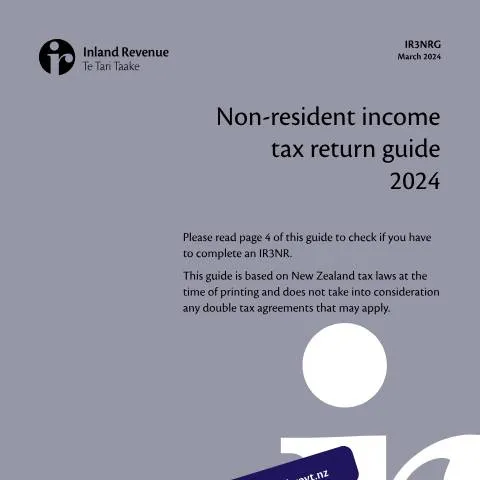
Decoding the IR3NRG: A Vital Resource for Non-Resident Tax Filers
Navigating the waters of international taxation can be perplexing, especially for those who find themselves categorized as non-residents of New Zealand. The IR3NRG, or Non-resident Individual Tax Return Guide, is a critical document designed to assist those who have earned income sourced from New Zealand yet maintain their residency elsewhere. This guide serves as an essential tool for ensuring compliance with New Zealand tax laws while maximizing financial efficiency. Understanding the nuances of this document can significantly influence your tax obligations and entitlements.
Who Exactly Needs to Engage with the IR3NRG?
The IR3NRG is tailored for individuals who qualify as non-residents for tax purposes yet have earnings from New Zealand. Typically, if you haven’t been physically present in New Zealand and have generated income from local sources, you find yourself in this category.
- Income streams such as interest, dividends, and royalties
- Rental income from properties in New Zealand
- Earnings from self-employment
- Directors' fees from services rendered in New Zealand
- Income derived from partnerships, trusts, or estates
It's also noteworthy that if your only income type is subject to Non-Resident Withholding Tax (NRWT) at the correct rate, you may not need to complete the IR3NR.
When is Filing Due?
Understanding deadlines is pivotal in tax compliance. For the current tax year, which spans from April 1, 2023, to March 31, 2024, your completed IR3NR must reach Inland Revenue by July 7, 2024. Failure to file on time can result in penalties unless a formal extension is granted. Keeping this timeline in mind not only helps you avoid additional charges but also facilitates timely processing of any potential refunds.
Key Concepts to Grasp: Tax Residency and Non-Resident Taxation
Tax residency in New Zealand hinges on a few determining factors, notably your physical presence in the country. As a non-resident, understanding how your income is taxed is crucial. Non-residents are typically liable for tax on New Zealand-sourced income through the NRWT framework, particularly applicable to interest, dividends, and royalties.
The tax calculation process takes the following shape:
- Aggregate all non-resident income.
- Calculate tax based on the applicable rates for each income type.
- Combine the NRWT with any other taxable income.
- Account for any relevant tax credits that apply.
This structure ensures that you are not double-taxed and that you benefit from any withholding tax already deducted at the source.
Common Misinterpretations and Pitfalls
Misunderstandings regarding tax obligations can lead to costly errors. A few common misconceptions include:
- Believing that all income from New Zealand is taxable: Not all income streams necessitate filing an IR3NR. For instance, some interest or dividend income may already have NRWT deducted correctly.
- Confusing residency status: It’s essential to ensure you categorize yourself correctly. The residency status is not solely based on citizenship but rather your physical presence in New Zealand.
Thoroughly reviewing the IR3NRG will help clarify your obligations and prevent misunderstandings that can lead to compliance issues.
Step-by-Step Guide to Utilizing the IR3NRG
Successfully navigating the IR3NR involves several steps that start with comprehending the guide and culminate in submitting your return. Here’s how to effectively utilize the IR3NRG:
- Review Your Residency Status: Refer to the IR292 guide if unsure about your residency classification.
- Gather Required Information: Collect all documents relevant to your income sources, such as bank statements or rental agreements.
- Fill Out the Return: Use the IR3NRG to guide you through completing the IR3NR return, paying special attention to sections that pertain to your specific income types.
- Calculate Your Tax: Make use of the tax tables provided to determine your tax obligations accurately.
- Submit Before the Deadline: Ensure your completed return is filed by July 7, 2024, to avoid penalties.
By adhering to this structured approach, you can enhance accuracy and efficiency in your tax return process.
Understanding the Sourcing of Income: Passive vs. Active Income
Navigating the intricacies of income types is essential when filing your IR3NR. Income can be broadly categorized into passive and active.
Passive income typically includes:
- Interest from bank deposits
- Diversified investment dividends
- Royalties from intellectual property
Active income involves:
- Self-employment earnings
- Rental income from properties
- Directors' fees for services executed
It’s essential to categorize your income correctly, as taxation rates and requirements can differ significantly between these categories.
The Interplay with Other Relevant Documents
The IR3NRG should not be viewed in isolation. Several documents interrelate within the realm of New Zealand taxation that could affect your situation:
- IR292: This guide clarifies tax residency, offering insights into determining your status.
- IR3: Relevant for part-year non-residents, this form must be completed if you have resided part-time during the tax year.
- NRWT guidelines: Understanding the implications of withholding tax is crucial for non-residents.
Familiarizing yourself with these documents will provide a more comprehensive understanding of your obligations and potential liabilities.
Essential Considerations for Refunds and Transfers
If you anticipate a refund from your New Zealand tax obligations, it’s critical to understand how this process works. Your IR3NR return allows you to claim any overpaid tax. Here’s a quick overview of the refund process:
- Provide Accurate Bank Details: Ensure your bank account information is up-to-date to facilitate direct deposit.
- Check Eligibility for Early Payment Discounts: Depending on your circumstances, you may qualify for a discount on early payments.
- Stay Informed of Potential Delays: Refund processing times can vary, and being aware of this can assist in future financial planning.
Filing your IR3NR accurately and timely not only ensures compliance but can also maximize potential refunds.
Utilizing Digital Services for Efficiency
Inland Revenue encourages utilizing digital platforms for efficiency. Engaging with the myIR account can streamline your tax experience. Here’s how:
- Access to Forms: Download necessary forms directly from your myIR account.
- Online Submission: Completing your return online can expedite processing times.
- Real-time Updates: Monitor your tax status and any refunds through the digital portal.
Taking advantage of these online services can significantly simplify your tax obligations and provide clarity throughout the process.
Aiding Compliance and Addressing Concerns
Navigating tax filing can be daunting, particularly for non-residents. If you encounter discrepancies or have questions during the process, it's vital to reach out for assistance.
Inland Revenue provides multiple avenues for support:
- Contact via myIR: Send messages directly and receive guidance tailored to your inquiries.
- Phone Assistance: Call the provided helpline for real-time assistance.
- Postal Queries: If needed, you can also send inquiries via traditional mail to the specified address for Inland Revenue.
Utilizing these resources can clarify uncertainties and ensure compliance with New Zealand tax requirements.
In conclusion, the IR3NRG is not just a guide, it’s a comprehensive tool designed to assist non-residents in navigating the complexities of New Zealand taxation. Understanding your obligations and entitlements can lead to more informed decisions, ensuring compliance while maximizing any potential tax benefits. Engaging with this document and utilizing the resources available can pave the way for a smoother tax filing experience.
Understanding Tax Residency in New Zealand
Before diving into the non-resident individual tax return process, it is crucial to understand what constitutes tax residency in New Zealand. The New Zealand tax system differentiates between residents and non-residents, as this classification significantly affects the tax obligations of individuals.
According to the Inland Revenue Department (IRD), an individual is generally considered a tax resident if they meet one of the following criteria:
- They have a permanent place of abode in New Zealand and are physically present for more than 183 days in a 12-month period.
- They have been in New Zealand for more than 183 days in any 12-month period, regardless of whether they have a permanent home here.
For non-residents, taxation applies only to income sourced within New Zealand. This can include wages, property rentals, and dividends from New Zealand companies. Understanding your residency status will guide you through the complexities of filing a non-resident tax return and ensure that you are compliant with local tax laws.
Filing Deadlines and Extensions for Non-Residents
As a non-resident individual preparing to file your tax return in New Zealand, it's imperative to be aware of key deadlines. The standard due date for filing a tax return is typically 7 July following the end of the tax year, which runs from 1 July to 30 June. However, if you are a non-resident individual, your circumstances may allow for different considerations.
If you are unable to meet this deadline, you may apply for an extension. It is advisable to contact the IRD as early as possible to discuss your situation and seek guidance on how to proceed. Extensions are granted on a case-by-case basis, and adequate justification for the delay is typically required.
Additionally, if you are using a tax agent, they may be able to file your return on your behalf while also handling any negotiations related to extensions. However, keep in mind that your tax obligations remain your responsibility, and it is essential to ensure that your return is filed accurately and on time.
Common Misconceptions About Non-Resident Tax Obligations
When navigating the tax system as a non-resident in New Zealand, several misconceptions can lead to confusion and potentially costly errors. It is important to clarify these commonly held beliefs:
- Non-residents are not required to file a tax return: This is incorrect. Non-residents must file a tax return if they earn taxable income within New Zealand, regardless of their residency status.
- All income is taxed at the same rate: Non-residents are subject to different tax rates compared to residents. For instance, withholding tax rates may apply to certain types of income, such as interest and dividends, which can differ from the personal income tax rates.
- Tax credits are universally available: Non-residents may not be eligible for certain tax credits or benefits available to residents, which can affect their overall tax liability. It's crucial to consult the IRD or a tax professional to understand what credits may apply to your specific situation.
By dispelling these myths, non-residents can approach their tax obligations more confidently, ensuring compliance while maximizing their financial outcomes.