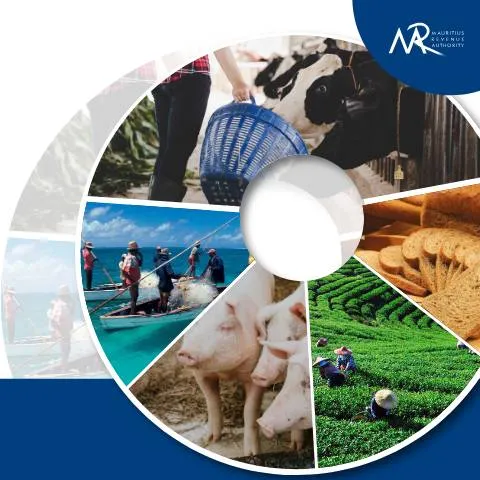
Navigating the VAT Refund Scheme: A Step-by-Step Guide
Understanding the VAT Refund Scheme for the agro-industrial, fisheries, bakery, and event sectors in Mauritius is crucial for eligible applicants. The scheme aims to alleviate the financial burden on small producers by allowing them to reclaim VAT paid on specific purchases. This provision not only supports local businesses but also promotes growth within these vital sectors.
The Role of the VAT Refund Scheme
The VAT Refund Scheme was established to encourage the growth of the agro-industrial and fisheries sectors. Introduced in 2012, it allows small-scale farmers, fishermen, bakers, and event organizers to claim refunds on VAT paid for specific equipment and services essential to their operations. The scheme is particularly beneficial for those whose annual turnover does not exceed 10 million rupees, as it levels the playing field against larger entities.
Eligible applicants include:
- Planters and horticulturists registered with the Small Farmers Welfare Fund.
- Breeders registered under the relevant agricultural acts.
- Apiculturists recognized by the Ministry of Agro-Industry.
- Fishermen registered with the Ministry responsible for fisheries.
- Bakers licensed under the Local Government Act.
- Tea cultivators registered with regulatory offices.
From Application to Refund: Understanding the Process
The journey begins with the purchase of eligible equipment or services. To successfully complete the application for a VAT refund, applicants must follow a structured process:
Step 1: Gather Required Documentation
Before filling out the application form, it is essential to prepare the necessary documents:
- VAT Invoices: Ensure all invoices clearly state the details of the purchase, including the National ID number and address of the applicant.
- Proof of Registration: Maintain evidence of registration with the relevant authority (e.g., Small Farmers Welfare Fund).
- Quarterly Financial Summary: This is necessary to confirm that the refundable amount meets the minimum threshold of 1,000 rupees.
Step 2: Complete the Application Form
The official application form, known as VAT 7A, must be accurately filled out. The application must be lodged within 15 days from the end of the quarter during which the purchases were made. If the refundable amount is below the minimum threshold, it can be carried forward to the next quarter.
Step 3: Submit the Application
Upon completing the form, it can be submitted via the Mauritius Revenue Authority (MRA) website or through traditional mail. It's crucial to ensure that all documentation is included, as incomplete applications will delay processing.
Step 4: Await Approval and Refund
The MRA commits to processing applications within 15 days of receipt, provided that all documentation is in order. Applicants should keep track of their submission to ensure timely follow-up in case of delays.
Breaking Down the VAT 7A: Key Sections Explained
The VAT 7A form consists of several sections that require careful attention to detail. Understanding these sections can prevent common errors:
| Section | Details Required | Common Pitfalls |
|---|---|---|
| Personal Information | Name, Address, National ID | Incorrect or incomplete ID details |
| Purchase Details | Description of Equipment/Services | Failing to match descriptions on invoices |
| Amount Claiming | Total VAT to be refunded | Overstating or understating the amount |
| Declaration | Signature and Date | Missing signature, which can invalidate the application |
Understanding Eligibility: The Profile of Eligible Applicants
The application for the VAT Refund Scheme is not for everyone. Here’s a closer look at the different profiles of applicants and the specific conditions that apply:
1. Small Farmers and Horticulturists
Farmers must be registered with the Small Farmers Welfare Fund and have an annual turnover of less than 10 million rupees. They are eligible to claim refunds on specified agricultural equipment and supplies.
2. Breeders
Different kinds of breeders (pig, other livestock) have distinct categories for eligible equipment. Each type of breeder is required to show proof of registration with the relevant authority.
3. Fishery Professionals
Fishermen must be registered with the fisheries ministry or a recognized cooperative. They can claim VAT on equipment used directly for fishing activities.
4. Bakers
Bakers hold a license and must ensure that they are not part of larger chains that may not qualify under this scheme. Their eligibility can hinge on the type of bakery equipment they purchase.
5. Event Organizers
Organizers must provide documentation that demonstrates their business activities fall under the event management category. They typically deal with equipment that supports the execution of events.
Preparation is Key: Gathering Necessary Justifications
The success of a VAT refund application heavily relies on the supporting documents provided. Here’s a checklist categorized by applicant type to ensure that potential claimants are fully prepared:
For Planters and Horticulturists
- Invoices for agricultural equipment such as tractors and seeders.
- Proof of registration with the Small Farmers Welfare Fund.
For Fishermen
- Proof of registration with the Ministry of Fisheries.
- Invoices for fishing gear and other related equipment.
For Bakers
- Baking licenses.
- Invoices for ovens, mixers, and other baking equipment.
Exploring Submission Channels: Where and How to Apply
The mode of application submission can impact the turnaround time significantly. Here are the available channels for submitting the VAT refund application:
1. Online Submission
With a strong push for digital services, applicants can take advantage of the MRA’s online portal. This method allows for faster processing times and reduces the risk of paperwork getting lost.
2. Traditional Mail
For those who prefer conventional methods, applications may be sent via registered post. It’s advisable to keep copies of all submitted documents for personal records.
3. In-Person Submission
Applicants may also visit the MRA offices to submit their forms directly. This offers the advantage of immediate feedback from MRA officials, which can clarify any potential issues.
Legislative Framework: The Legal Backbone of the VAT Refund Scheme
This scheme operates under the provisions established by the VAT Act and the amendments that came into effect to support small farmers and businesses. Understanding the legal backdrop can enhance applicants’ awareness of their rights and obligations.
The VAT Act (Various Amendments)
Initially introduced in 1998, the VAT Act has undergone several amendments to facilitate the inclusion of small-scale producers into the formal economy. The provisions specific to the refund scheme were introduced to support the government's broader economic objectives.
The Role of the Mauritius Revenue Authority (MRA)
The MRA oversees the implementation of the VAT Refund Scheme. Their guidelines help ensure that the application process is standardized, and that eligible persons can benefit from the scheme without undue delay.
By understanding these components and being well-prepared, applicants can navigate the VAT Refund Scheme efficiently, maximising their potential rebates.
Understanding the VAT Refund Scheme: Eligibility Criteria and Documentation
The VAT Refund Scheme in Mauritius is aimed specifically at sectors such as agro-industrial, fisheries, bakery, event organizers, and the music industry. Understanding the eligibility criteria is essential for stakeholders who wish to benefit from this financial support. The scheme largely focuses on registered businesses that are involved in these sectors and have incurred VAT on their purchases related to the specific activities. To qualify, businesses must be VAT registered with the Mauritius Revenue Authority (MRA) and must demonstrate that the VAT they seek to recover has directly contributed to the production of goods or services within their respective sectors.
Documentation is a crucial part of the application process. Applicants must submit a completed VAT Refund Form (MRA Form VAT 5) along with supporting documents. This includes invoices indicating the VAT paid on purchases, proof of operational status (like business registration documents), and detailed accounts proving the link between the incurred VAT and the products or services offered. It is advisable to keep meticulous records, as the MRA often conducts audits to ensure compliance with the scheme's regulations.
For agro-industrial businesses, additional documentation may include production records and commodity trading documents to validate the operational nature of the business. Fisheries must provide licenses and catch documentation, while bakeries need to show health and safety compliance certificates along with proof of raw material purchases. Event organizers and individuals in the music sector might be required to submit contracts, artist agreements, and invoices related to event production expenses. Complying with these documentation requirements will increase the chances of a successful refund application.
The Application Process: Step-by-Step Guidance
Applying for a VAT refund under this scheme can seem daunting, but breaking the process down into manageable steps can simplify it. Firstly, ensure that all documents are in order and that your business meets the eligibility requirements. Once you have gathered the necessary documentation, the next step is to access the MRA’s online submission portal, which is designed to streamline the application process. Log in using your National ID number through the MauPass system, ensuring that you have an active account linked to the Central Population Database.
After logging in, navigate to the VAT Refund section and fill out the VAT Refund Form (MRA Form VAT 5). It is crucial to enter all information accurately and check for any discrepancies before submission. Attach the required documentation as supporting evidence. After completing the form and attaching documents, proceed to submit the application electronically. A confirmation message will be displayed, indicating that your application has been successfully submitted. Keep this confirmation for your records.
The MRA typically takes around 30 days to process refund applications but can extend this timeframe if additional information is required. During this period, be proactive; respond promptly to any queries from the MRA. If approved, the refund will be credited directly to your business account, which exemplifies the need for accurate bank account details during the application. Should your application be rejected, the MRA will provide reasons, allowing you to address any issues before resubmission.
Common Challenges and How to Overcome Them
While the VAT Refund Scheme is designed to support specific sectors, applicants may encounter challenges during the application process. One significant hurdle is the complexity of maintaining proper records. Many business owners, particularly in fast-paced sectors like events and music, may overlook the importance of precise documentation, leading to incomplete applications. It is advisable to implement a robust accounting system or software that can automate the recording of sales, purchases, and VAT transactions.
Another common challenge is understanding the specific VAT rates applicable to different goods and services within these sectors. Stakeholders must stay updated on the latest VAT regulations and ensure that they are applying for refunds based on accurate rates. Regular training and workshops organized by industry associations can help businesses stay informed about changes in regulations and best practices in VAT compliance.
Additionally, businesses often struggle with the timing of their applications. The fiscal year in Mauritius runs from July 1 to June 30, and ensuring that applications are submitted in a timely manner — ideally at the end of each quarter — can help businesses maximize their refunds and improve cash flow. Establishing a reminder system before the fiscal deadlines can prevent delays and enhance financial planning. Engaging with tax professionals or consultants who specialize in VAT can provide significant value, especially for businesses that are new to the refund scheme.