Navigating the AMCA10: Your Essential Guide
Understanding the nuances of the AMCA10 form is crucial for individuals and entities engaged in various administrative processes in Mauritius. This document serves not just as a bureaucratic requirement but as a fundamental component in ensuring compliance and facilitating certain legal obligations. Consider this your comprehensive guide to mastering the AMCA10 form, from its purpose and the process of filling it out, to submission methods and the administrative pathways that follow.
The Importance of the AMCA10 Form
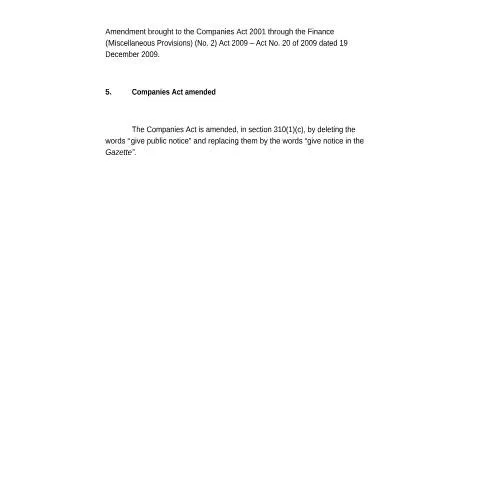
At the heart of many administrative procedures in Mauritius lies the AMCA10 form. Officially recognized under the amended Companies Act 2001, this document plays a pivotal role in various corporate and administrative transactions. The amendments brought to this act emphasize the importance of notifying related parties efficiently, particularly through the Gazette, rather than relying solely on public notice.
Failure to properly submit the AMCA10 can result in significant delays or complications in administrative dealings. This form is often required in situations such as:
- Registering a new entity
- Notifying changes in company structure or ownership
- Fulfilling compliance requirements for ongoing business operations
Such applications typically require careful attention to detail, ensuring that all information is accurate and complete to avoid setbacks.
Who is Obliged to Submit the AMCA10?
The responsibility for submitting the AMCA10 form predominantly falls to individuals or representatives of businesses engaging in activities stipulated by the Companies Act. However, it is not restricted to just one demographic. Key submitters include:
- Individual Entrepreneurs: Sole proprietors establishing new businesses need to provide necessary details.
- Corporate Entities: Directors or authorized officers acting on behalf of a company to submit annual returns or structural changes.
- Legal Representatives: Solicitors or other appointed agents responsible for fulfilling legal requirements on behalf of an organization.
In particular circumstances, such as for foreign investors or minors acting through guardians, additional considerations may apply. Understanding these nuances is essential for meeting the legal criteria effectively.
Completing the AMCA10: Step-by-Step
Completing the AMCA10 form requires diligence and accuracy. Below is a structured approach to ensure that the submission process is seamless:
Gathering Necessary Information
Before diving into the form itself, collate the following:
- Company registration number
- Details of any changes in shareholding or directorship
- Updated address or contact information
Filling Out the Form
The AMCA10 form is structured to capture essential details about the company or individual making the submission. Ensure that every field is completed with precise information:
- Identification Details: Include the full name and identification number. If applicable, provide the corresponding details of the business entity.
- Specific Changes: Clearly delineate what changes are being reported.
- Signature and Date: The form must be duly signed by the authorized signatory to validate the submission.
Final Review
Before submission, it is prudent to double-check each entry for accuracy. This validation step can prevent unnecessary complications that may arise from incorrect information.
Submission Channels for the AMCA10 Form
Upon completing the AMCA10, the next step involves submitting it through designated channels. Understanding the differences between these channels can significantly affect processing times and efficiency.
Online Submission
The preferred method of submission is through the government portal at govmu.org. This e-service aligns with the government's efforts to digitize administrative processes. Here’s how to proceed:
- Access the MauPass platform using your National ID Card for authentication.
- Locate the AMCA10 submission section.
- Upload the completed form and any supporting documentation.
- Submit and track the progress via the portal.
Paper Submission
For those who prefer traditional methods, the paper submission process remains an option:
- Print the completed AMCA10.
- Deliver it to the relevant administrative office or department.
- Ensure to obtain a receipt as proof of submission.
In-Person Submission
Some applicants may need to discuss their submission directly with officials. In such cases, visiting the local administrative office in person is advised:
- Bring multiple copies of the form for verification.
- Consult with the officials about any specific requirements or queries you may have.
Understanding the Processing of Your AMCA10 Submission
Once submitted, your AMCA10 will enter the administrative processing phase. Here’s what to expect:
Initial Review
Upon receipt, the administrative team will conduct an initial review for completeness. This includes checking for:
- Accurate information
- Proper signatures
- Necessary documentation
Notification of Acceptance or Rejection
Following the review, applicants will receive notifications regarding their submission:
- Acceptance: If approved, you will be notified, and the changes will be reflected in the official records.
- Rejection: In case of deficiencies, you will be informed about the reasons for rejection and possible corrective actions.
Tracking Your Application
For those who opt for online submission, tracking your AMCA10 submission is straightforward. Utilize the tracking feature on the portal to monitor the progress. For paper submissions, maintain communication with the administrative office where you filed your form.
Specific Situations: Variations in the AMCA10 Submission
There are specific contexts that require additional considerations when dealing with the AMCA10. Understanding these can aid in smoother submissions.
Foreign Entities or Individuals
Foreign investors looking to start a business or amend their current status through the AMCA10 must pay special attention:
- Additional documentation may be required, such as proof of residency or business intent.
- Ensure compliance with local laws and regulations, as outlined in the Companies Act.
Minors and Guardianship
In cases involving minors, guardians must submit the AMCA10 on their behalf:
- Documentation proving guardianship must accompany the form.
- Consult legal provisions regarding minors’ rights to ensure compliance.
Urgent Submissions
There are scenarios where expedited processing is essential. For urgent matters, it is advisable to:
- Communicate directly with the relevant administrative department.
- Provide justification for expedited processing and any supporting documents.
Following Up and Ensuring Compliance
Staying proactive after submitting the AMCA10 is crucial for ensuring that your application processes smoothly.
Regular Communication
Establish a routine for checking the status of your AMCA10 submission. This includes:
- Directly contacting the administrative office.
- Using online tracking tools where applicable.
Document Retention
Keep copies of all submitted documents, including the AMCA10 form. This serves as a reference in case any discrepancies arise.
Advice for Legal or Corporate Representatives
For legal representatives managing multiple AMCA10 forms, consider implementing the following:
- Maintain a checklist for each submission to ensure nothing is overlooked.
- Set reminders for follow-ups based on the submission dates.
Conclusion: Navigating the AMCA10 with Confidence
Successfully managing the AMCA10 form is an integral part of administrative compliance in Mauritius. By following the structured approach outlined above and understanding the nuances involved, you can navigate the submission process with confidence. Always remain informed about any updates to legal requirements and administrative processes to ensure continued compliance.
Understanding the AMCA10 Framework: Objectives and Implications
The AMCA10, or the Advanced Management and Competency Assessment framework in Mauritius, is a program designed to enhance the administrative capabilities and competencies of public service employees. The primary objective of AMCA10 is to ensure that civil servants are equipped with the necessary skills and knowledge to deliver high-quality services to citizens. This initiative aligns with the government's commitment to optimizing public sector efficiency and accountability.
One of the critical implications of AMCA10 is the emphasis on continuous professional development. It encourages employees to pursue training and educational opportunities that are relevant to their roles. Public servants are often required to engage in self-assessment and reflect on their competencies, which subsequently informs their training needs. The framework also embraces technological advancements, urging employees to become proficient in digital tools that facilitate service delivery.
Furthermore, AMCA10 prioritizes transparency and objective performance evaluation. Public service entities must adopt clear metrics for assessing employee performance, which in turn influences promotion and career advancement. This structured approach not only fosters a merit-based culture but also supports the recruitment of top-tier talent within the public service.
Fill in your form directly online
No printing: type your details into the boxes of the official form, tick, then download the PDF ready to send.
- 1Type into the form boxes
- 2Tick in one click
- 3Save and download the PDF
How to Navigate AMCA10 Assessments: A Step-by-Step Guide
Navigating the AMCA10 assessment process requires careful preparation and understanding of the specific requirements laid out by the Public Service Commission (PSC). Below is a step-by-step guide to help candidates effectively manage their assessment journey.
Familiarize Yourself with the AMCA10 Competency Framework: Begin by reviewing the AMCA10 documentation, which outlines the competencies expected at various levels of public service. This foundational knowledge is crucial for preparing for the assessment.
Conduct a Self-Assessment: Before the official assessment, carry out an honest self-evaluation of your skills and competencies against the AMCA10 framework. Identify areas where you excel and those that require improvement. This will not only help you focus your preparation but also provide insights into relevant training opportunities.
Engage in Professional Development: Based on your self-assessment, seek out training sessions, workshops, or online courses that are aligned with the competencies you wish to develop. The PSC provides a variety of resources to assist employees in enhancing their skills.
Prepare Your Portfolio: The assessment may require you to submit a portfolio that showcases your competencies and achievements. Make sure to compile evidence of your work performance, including reports, project outcomes, and any accolades received. This portfolio is essential in demonstrating your capabilities during the evaluation.
Understand the Assessment Format: Be aware of the specific format used in the AMCA10 assessments, which may include written tests, interviews, or practical demonstrations. Understanding the structure will help you prepare effectively. Take advantage of practice materials or past assessments if available.
Seek Feedback: After undergoing the assessment, it is beneficial to seek constructive feedback from assessors. Understanding areas of strength and those requiring improvement will guide your future professional development efforts.
Stay Informed on Policy Changes: Stay updated on any changes to the AMCA10 framework or assessment criteria by regularly visiting the Public Service Commission's website. This will ensure you remain compliant and prepared for any future assessments.
The Role of E-Government in Enhancing AMCA10 Implementation
The integration of e-government solutions plays a pivotal role in the successful implementation of AMCA10 in Mauritius. As the government continues to push for digital transformation in public administration, e-government initiatives facilitate more efficient processes and resource management in relation to workforce development and competency assessments.
One significant advantage of adopting e-government solutions is the ease of access to training resources. Public servants can enrol in e-learning modules and webinars tailored to the AMCA10 framework, thereby eliminating geographical barriers and making professional development more accessible. For instance, the govmu.org portal serves as a central hub for online learning opportunities, allowing employees to participate in training sessions from their locations.
In addition, e-government enhances communication between public service departments and employees regarding the AMCA10 framework. Through digital platforms, updates, guidelines, and important notices can be disseminated swiftly, ensuring that all personnel are informed about the latest policies. This fosters a culture of transparency as employees are kept in the loop about any modifications to the assessment criteria or available resources.
Data analytics, empowered by e-government, is another crucial factor in the AMCA10 framework’s effectiveness. By utilizing data collected from assessments and training, administrators can identify trends in employee performance and competencies. This information is invaluable for informing future training programs, ensuring they are tailored to the evolving needs of the public sector workforce.
Moreover, the implementation of digital performance tracking systems allows for real-time monitoring of employee progress within the AMCA10 framework. These systems can provide insights into the effectiveness of training programs, enabling managers to make data-driven decisions about employee development. Public servants can receive timely feedback on their progress, allowing them to adjust their learning strategies accordingly.
Overall, the role of e-government in enhancing the AMCA10 implementation underscores the importance of integrating technology into the public sector. The benefits of increased efficiency, better access to resources, and data-driven decision-making contribute significantly to the framework's success.