Understanding the Context of the Performance Report for NPF and NSF
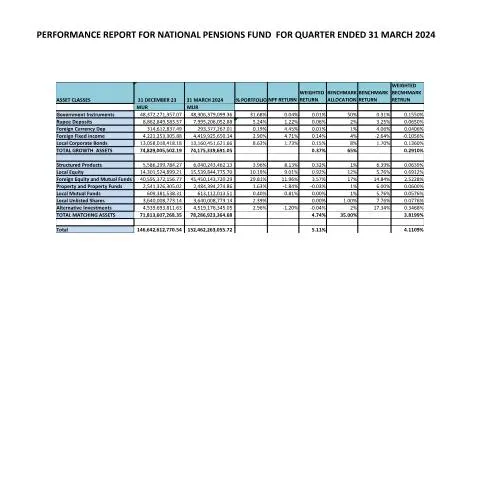
The Performance Report of the National Pensions Fund (NPF) and the National Savings Fund (NSF) for the quarter ended 31 March 2024 serves as a crucial document for various stakeholders, including government agencies, policyholders, and financial analysts. As part of the broader financial disclosure requirements under Mauritian law, this report encapsulates the financial performance of these funds, showcasing vital statistics and returns across various asset classes. Understanding its implications can significantly impact public trust and investment decisions. The detailed analysis fosters transparency and accountability, which are fundamental to the management of public funds in Mauritius.
Document Submission Channels: Online Versus Traditional Methods
Stakeholders need to consider the optimal channel for submitting the performance report. The submission can be executed through several methods:
- Online Submission: Utilizing the MauPass single-sign-on system linked to the National ID Card. This method simplifies the process, allowing for quicker filings and confirmations.
- Paper Submission: Although less common due to the digital push, submitting physical copies at designated government offices remains an option. However, the processing time may be longer compared to online submissions.
- Counter Submissions: Certain scenarios may require direct submission at specific government offices, where staff can provide immediate assistance and guidance.
Each method has its advantages and potential drawbacks. For instance, online submissions ensure a more rapid acknowledgment, whereas paper submissions might offer a tangible receipt for those who prefer traditional methods. However, the move toward electronic services underscores the commitment of the Mauritian government to enhance efficiency in public administration.
Who Should Submit the Performance Report: A Closer Look
The obligation to submit this report typically falls on pension fund administrators and financial institutions managing the NPF and NSF. However, the specifics can vary:
- Government Agencies: Entities directly responsible for managing the funds are required to prepare and submit the report, ensuring compliance with the regulatory framework.
- Fund Managers: Those involved in the investment decisions of the NPF and NSF must also contribute to the report, detailing the performance metrics.
- External Auditors: In certain cases, third-party auditors may need to validate the report before submission, adding a layer of credibility to the findings.
Notably, exceptions may exist based on the structure of the managing entity. For instance, if a fund is administered under a public-private partnership, additional documentation or specific submission protocols might be required.
Chronology of the Reporting Process: From Initiation to Submission
Understanding the chronological steps involved in this reporting process can facilitate more effective preparation and compliance. Below is a simplified workflow:
- Data Collection: Fund managers begin collating data on asset performance, taking into account fluctuations in market value, returns, and comparative benchmarks.
- Preparation of the Report: Once data is gathered, the report is drafted, outlining key findings, performance analyses, and any deviations from expected benchmarks.
- Internal Review: The report undergoes an internal review to ensure accuracy and completeness. This step often involves consultations with financial analysts and compliance officers.
- Consultation with External Auditors: Should the regulations require it, external auditors will review the document to validate its integrity and reliability.
- Final Submission: Following all reviews and adjustments, the final report is submitted through the chosen channel, marking the completion of the reporting cycle.
This structured flow not only assures accuracy but also enhances the credibility of the reported information, reinforcing trust among stakeholders.
Administrative Processing: What Happens After Submission?
Once the report is submitted, it enters an administrative processing phase managed by relevant government agencies—typically the Ministry of Finance and Economic Development or its designated representatives. The steps involved include:
- Initial Acknowledgment: Submissions through MauPass receive an instantaneous acknowledgment, while paper submissions might take longer to process.
- Review Period: Administrative staff examine the report for compliance with regulatory standards and accuracy of data. Any discrepancies may result in requests for clarification or supplemental information.
- Publication of Findings: Once approved, summary findings may be published on official channels, contributing to public transparency regarding the performance of national funds.
- Feedback Mechanism: Stakeholders may receive feedback, particularly if their submissions require additional detailing or corrections.
This meticulous approach to processing ensures that only verified and credible reports contribute to the national financial narrative.
Key Components of the Performance Report: What to Expect
The performance report comprises several critical sections, each serving a distinct purpose:
| Section | Description |
|---|---|
| Executive Summary | A brief overview highlighting the key performance indicators and overall findings of the quarter. |
| Performance Analysis | Dives deep into the performance of different asset classes, comparing actual returns against benchmarks. |
| Market Overview | Contextualizes fund performance within the broader economic landscape, discussing market trends and external factors. |
| Comparative Analysis | Compares current performance metrics with previous quarters, identifying trends and anomalies. |
| Future Outlook | Provides projections for upcoming quarters based on current data and market expectations. |
Each component is integral to painting a comprehensive picture of the funds' health and performance, guiding policymakers and investors alike.
Tracking Your Submission: Ensuring Accountability
Stakeholders often seek to ensure accountability and track the status of their submissions. The following methods can be employed to monitor progress:
- MauPass Tracking: Users can log into their MauPass accounts to check the status of their submissions, offering a clear timeline of processing stages.
- Direct Communication: Contacting the relevant government agency via official communication channels can provide insights into the status of the report processing.
- Scheduled Inquiries: Establishing regular follow-ups, especially for critical reports that may impact financial planning, can be beneficial in maintaining a clear line of communication.
This proactive approach to monitoring prevents potential misunderstandings and ensures that all parties remain informed about the progress of their submissions.
Final Thoughts on the Importance of the Performance Report
The Performance Report of NPF and NSF for the quarter ending 31 March 2024 stands as a testament to the commitment of the Mauritian government toward transparency and responsible fund management. By complying with the reporting requirements and understanding the nuances of the submission process, stakeholders play a vital role in fostering a culture of accountability. Furthermore, the detailed performance data contained within the report can significantly influence future investment strategies and policy adjustments, making it an invaluable asset in the national financial dialogue.
Overview of NPF and NSF Financial Performance
The National Pension Fund (NPF) and the National Savings Fund (NSF) are pivotal institutions in Mauritius, serving the dual purpose of providing social security and encouraging savings among citizens. As of the quarter ended 31 March 2024, both funds demonstrated resilience in the face of economic fluctuations, with performance metrics reflecting a steadily growing investment portfolio.
NPF reported an increase in its asset base, attributed largely to prudent investment strategies and a diversified portfolio across various sectors including real estate, equities, and government bonds. The fund's total assets reached an impressive milestone, showcasing a year-on-year growth that is essential for the sustainability of pension pay-outs to future retirees.
Meanwhile, NSF's performance has been equally commendable, with a robust inflow of contributions due to increased awareness of saving for retirement among the working population. The NSF's strategic focus on fixed deposits and low-risk securities has resulted in a stable yield, providing a safe harbor for savers while ensuring that the fund meets its obligations to contributors.
Fill in your form directly online
No printing: type your details into the boxes of the official form, tick, then download the PDF ready to send.
- 1Type into the form boxes
- 2Tick in one click
- 3Save and download the PDF
Challenges and Risks Faced by NPF and NSF
Despite the positive performance indicators, both NPF and NSF encounter various challenges that could potentially impact their long-term viability. One foremost concern is the demographic shift in Mauritius, characterized by an aging population and declining birth rates. This evolution places increased pressure on pension payouts, requiring the funds to adapt their strategies to maintain solvency over the coming decades.
Additionally, global economic uncertainties, including inflationary pressures and fluctuating interest rates, pose significant risks to the investment portfolios of both funds. For instance, an uptick in inflation could erode the real value of pension benefits, compelling the funds to reassess their asset allocations and possibly venture into riskier investments to enhance returns.
Moreover, regulatory changes and compliance requirements from the Financial Services Commission (FSC) and the Bank of Mauritius can impose additional burdens on operational management. Both NPF and NSF need to remain agile and responsive to these evolving legal frameworks, ensuring that they continue to meet statutory obligations while safeguarding the interests of their contributors.
Future Initiatives and Strategic Directions
Looking ahead, the management of NPF and NSF has outlined several strategic initiatives aimed at bolstering their performance and ensuring sustainable growth. One key direction is the emphasis on digital transformation. By enhancing their e-services through the govmu.org portal, these institutions aim to streamline application processes, improve accessibility for contributors, and promote transparency in operations.
Furthermore, there is a concerted effort to increase financial literacy among citizens, particularly younger generations, promoting awareness of the importance of saving through NSF. Educational campaigns and workshops are being considered to instill a culture of saving, thereby enhancing the fund's contribution base and ensuring its longevity.
In addition, NPF is exploring partnerships with private sector entities to diversify its investment strategies. Collaborations with local businesses may not only yield higher returns but also stimulate economic growth within the country. By investing in sustainable projects, the funds can also align with global trends towards responsible investment, appealing to socially conscious investors.
In conclusion, while both NPF and NSF have successfully navigated the complexities of the financial landscape for the quarter ending 31 March 2024, ongoing vigilance and strategic adaptations will be essential to meet the future challenges they face. The commitment to enhancing operational efficiencies and promoting citizen engagement will play a critical role in ensuring the funds remain resilient and capable of fulfilling their mandates.