Understanding the Notice of Change of Partner (LLP6)
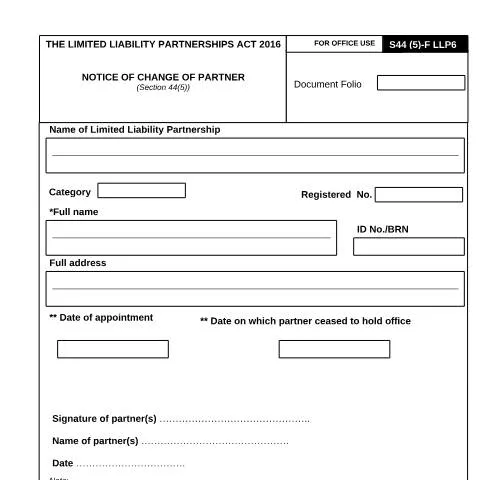
The Notice of Change of Partner (LLP6) is a critical document for Limited Liability Partnerships (LLPs) in Mauritius. This notice serves as an official declaration of changes in the partnership structure, necessitating a thorough understanding for effective compliance. When a partner enters or exits an LLP, this notice must be duly completed and filed to maintain the partnership's legal standing and ensure transparency.
When is the LLP6 Notice Required?
It's essential to know when to employ the LLP6 notice. Situations that trigger the need for this document include:
- Admission of a New Partner: When a new partner is introduced into the LLP, this notice must be filed to officially record their appointment.
- Withdrawal of an Existing Partner: If a partner ceases to hold their position, the LLP6 must be submitted to reflect this change accurately.
- Change in Partner’s Details: Any modifications regarding a partner's information, such as name or address, should also be documented through this notice.
Each of these situations requires prompt attention to ensure that the partnership remains compliant with the Limited Liability Partnerships Act 2016.
Key Components of the LLP6 Notice
Familiarity with the key components of the LLP6 notice can streamline the process of completion and submission. The document generally includes the following sections:
- Name of the Limited Liability Partnership: This is the registered name under which the LLP operates.
- Full Address: The official registered address of the LLP must be provided.
- Full Name and ID Number of the Partner: This information identifies the partner whose status is changing.
- Signature of the Partner(s): Signatures are necessary to validate the changes being reported.
- Date of Appointment and Cessation: These dates denote when the partner was appointed and when they ceased their role.
Understanding these components is crucial for accurately completing the notice and ensuring that all necessary details are captured.
Step-by-Step Guide to Utilizing the LLP6 Notice
The process of utilizing the LLP6 notice involves several key steps:
- Preparation of Information: Gather all necessary information about the partners involved, including their full names, ID numbers, and any changes in their roles or details.
- Completion of the Notice: Fill in the LLP6 notice with the gathered details. Ensure that all information is accurate and consistent.
- Signature Collection: Obtain signatures from the partner(s) involved in the change. This step is critical for the validity of the notice.
- Submission of the Notice: The completed notice must be submitted to the Registrar of Companies through the appropriate channels.
- Follow-Up: After submission, keep track of the process to confirm that the changes have been officially recorded.
This methodical approach helps in mitigating risks associated with non-compliance and ensures that the partnership remains legally recognized.
Common Misinterpretations Surrounding the LLP6 Notice
When dealing with the LLP6 notice, certain misinterpretations can lead to unnecessary complications. Here are some common pitfalls:
- Confusing Appointment with Cessation: It is vital to differentiate when a partner is being appointed versus when they are ceasing their role. The notice must reflect the accurate status to avoid legal ambiguities.
- Failure to Capture Accurate Dates: Incorrect dates for appointment or cessation can result in administrative issues. It is crucial to double-check these details before submitting.
- Overlooking Signature Requirements: Not securing the necessary signatures can render the notice invalid. Ensure that all required parties have acknowledged their changes appropriately.
Awareness of these common misinterpretations can help in streamlining the process and avoiding delays in compliance.
Interconnections with Other Documentation
Filing the LLP6 notice is not an isolated process. It frequently interacts with other essential documents within the same procedural framework:
| Document | Purpose | Relation to LLP6 |
|---|---|---|
| LLP Registration Form | Initial registration of the LLP with all partners listed. | Changes in partner status must align with initial registration details. |
| Consent Letters | Written consent from partners for changes. | Necessary when a new partner is introduced. |
| Annual Returns | Annual documentation reflecting the status of the LLP. | Updated partner information from the LLP6 should be reflected in annual returns. |
Understanding how the LLP6 interacts with these other documents is essential for maintaining proper records and ensuring compliance.
Target Audience for the LLP6 Notice
The LLP6 notice is particularly relevant for a variety of stakeholders, including:
- Partners in Limited Liability Partnerships: Whether they are entering or exiting, understanding their legal obligations is crucial.
- Legal Advisors: Professionals who assist with LLP formation and compliance must be familiar with the implications of changes in partnership.
- Financial Institutions: Banks and other financing bodies need updated information for assessing the partnership's viability.
- Regulatory Authorities: Government entities monitoring compliance will require accurate and timely submissions.
Each of these groups has a vested interest in the accurate and timely completion of the LLP6 notice, emphasizing its importance within the business ecosystem.
Final Considerations: Importance of Timeliness and Accuracy
Lastly, it is paramount to emphasize the importance of timeliness and accuracy when dealing with the LLP6 notice. Delays in filing or inaccuracies in the reported information can lead to complications such as penalties, legal disputes, or challenges in partnership recognition. Regularly reviewing partnership details and ensuring that any changes are documented immediately can alleviate potential issues.
In conclusion, the LLP6 Notice of Change of Partner is a significant document in the management of Limited Liability Partnerships in Mauritius. Understanding its components, functions, and interconnections with other documents is vital for compliance and effective partnership governance.
Understanding the Implications of Changing a Partner in an LLP
Changing a partner in a Limited Liability Partnership (LLP) can have various implications that are crucial for compliance and the smooth operation of the entity. One must understand that this process is not merely administrative; it can affect financial, legal, and operational aspects of the LLP.
Firstly, it’s essential to review the LLP agreement, which typically outlines the procedures for adding or removing partners. Such agreements may stipulate specific terms for a change, such as the required notice period or the voting process among existing partners. Failing to comply with these stipulations could lead to disputes or even legal complications.
Additionally, the change of a partner might also necessitate adjustments in the profit-sharing ratios or the capital contributions expected from remaining partners. It’s advisable to engage in discussions that lead to a mutually agreed-upon approach, which should then be documented appropriately.
From a legal perspective, the LLP must notify the Registrar of Companies (ROC) about the change through the necessary forms, including the LLP Form 6. This ensures that the public record remains current and reflects the true state of affairs within the LLP. Furthermore, updates may also need to be made to any licenses or permits held by the LLP, as these may have specific requirements regarding the identities of partners.
Tax implications should not be overlooked either. Depending on the structure of the LLP and the nature of the changes, there may be repercussions that affect the tax liabilities of the partnership. Partners should consult with the Mauritius Revenue Authority (MRA) to ensure compliance with tax laws, particularly regarding any claims for deductions related to the outgoing partner.
Thus, transitioning a partner in an LLP is a multi-faceted process that requires careful consideration and adherence to both internal agreements and external legal requirements.
Step-by-Step Guide to Filing Notice of Change of Partner (LLP Form 6)
Filing a Notice of Change of Partner through LLP Form 6 is a formal procedure that ensures your LLP remains compliant with local regulations. Below is a detailed step-by-step guide to streamline this process effectively.
Review Internal Agreements: Before initiating the filing, it is crucial to review the LLP agreement for any specific provisions that dictate how changes should be made.
Draft the Resolution: Prepare a resolution that reflects the decision to change partners. This document should detail the reasons for the change and should be signed by all current partners.
Complete the LLP Form 6: Access the LLP Form 6 from the official government portal. Fill out the form accurately, including details such as the name of the LLP, the details of the outgoing partner, and the incoming partner’s information.
Gather Supporting Documents: Along with the LLP Form 6, you will need to provide supporting documents. This typically includes:
Fill in your form directly online
No printing: type your details into the boxes of the official form, tick, then download the PDF ready to send.
- 1Type into the form boxes
- 2Tick in one click
- 3Save and download the PDF
- A copy of the LLP agreement
- A resolution signed by the partners
- Identification documents of the new partner (e.g., National ID)
- Any other documents required by the Registrar of Companies.
Submit Online: Using your MauPass account linked to your National ID Card, log in to the govmu.org portal. Navigate to the section related to LLP filings and upload the completed LLP Form 6 along with the supporting documents.
Pay the Filing Fee: Ensure that any required fees are paid promptly, as this is a prerequisite for the acceptance of your notice. Keep a copy of the payment receipt for your records.
Await Confirmation: After submission, monitor your application through the portal. You should receive confirmation from the Registrar of Companies regarding the acceptance or any further requirements.
Update Internal Records: Once the change has been officially registered, update your internal records to reflect the new partnership structure. This includes financial records, member roles, and any agreements related to profit-sharing.
By following this step-by-step guide, you can ensure a smooth transition when changing a partner in your LLP while maintaining compliance with all relevant laws and regulations.
Common Challenges and How to Overcome Them in Changing LLP Partners
When changing a partner in an LLP, various challenges may arise, which can complicate the process if not adequately addressed. Below are some common hurdles and strategies to overcome them.
Internal Disputes: One of the most significant challenges can be disagreements among existing partners regarding the reasons for the change or the selection of a new partner. To mitigate this, it is vital to foster open communication among all partners and use mediation if necessary. Documenting all discussions and decisions can also help clarify intentions and reduce misunderstandings.
Legal Compliance: Ensuring compliance with legal requirements can be daunting, especially for first-timers. It is advisable to consult with a legal expert specializing in corporate law in Mauritius. They can guide you through the complexities and ensure that you meet all regulatory demands, including timely submissions to the Registrar of Companies.
Tax Consequences: Changes in partners may lead to unforeseen tax liabilities. Engaging with a tax consultant familiar with Mauritian tax law can help clarify any potential implications, ensuring that all partners understand their responsibilities moving forward.
Impact on Business Operations: A partner change can disrupt business operations if not managed carefully. It’s important to communicate with your team and stakeholders about the transition and reassure them that efforts are being made to maintain stability. Developing a transition plan outlining roles and responsibilities can also help in maintaining operational continuity.
Public Perception: Changes in partnerships may spark public interest or concern, especially if your LLP is well-known. Maintaining transparency with clients and the public regarding the reasons for a partner change and the benefits it brings can help alleviate any concerns.
In conclusion, while changing a partner in an LLP can pose certain challenges, being proactive and methodical in your approach can help turn these potential obstacles into manageable aspects of the transition process.