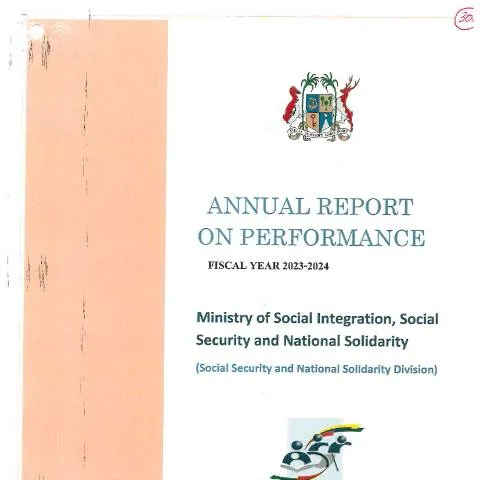
Unfolding the Annual Report 2023-2024: A Vital Administrative Document
The Annual Report on Performance for the fiscal year 2023-2024 is not just a compilation of statistics; it represents a comprehensive assessment of the Ministry of Social Integration, Social Security, and National Solidarity. This document plays a crucial role in fostering transparency, accountability, and strategic planning within the realm of social services in Mauritius. Understanding its structure, purpose, and submission process is essential for stakeholders, including government officials, civil society organizations, and the general public.
Key Dates in the Annual Reporting Calendar
The timeline surrounding the preparation and submission of the Annual Report is a pivotal aspect for all parties involved. Here’s how the calendar unfolds:
- Preparation Phase (April - September): The Ministry begins collating data and evaluating its performance metrics. During this period, internal reviews and consultations take place to ensure the report reflects accurate and relevant data.
- Drafting and Approval (October): A draft report is prepared and subsequently submitted for approval to the relevant authorities within the Ministry.
- Submission Deadline (November 30): The final report must be submitted to the Parliamentary Committee for review. This is a crucial deadline, as late submissions can lead to accountability issues.
- Public Release (January): Once reviewed, the report is published, making it publicly accessible for scrutiny and feedback.
This timeline underlines the importance of meticulous planning and collaboration among various departments to ensure that the report is not only timely but also comprehensive.
Delving into the Role of the Annual Report
The Annual Report serves multiple functions within the administrative ecosystem of Mauritius:
- Performance Accountability: It holds the Ministry accountable for its actions and expenditures during the financial year.
- Policy Evaluation: The report serves as a tool for assessing the effectiveness of existing policies and programs.
- Resource Allocation: By analyzing the report, stakeholders can make informed decisions regarding future funding and resources.
- Public Engagement: It fosters transparency by providing the public with insights into the government’s initiatives and challenges.
These roles are essential for upholding democratic principles in governance, ensuring that the Ministry remains responsive to the needs of the population it serves.
Completing the Annual Report: A Step-by-Step Guide
Filling out the Annual Report is less about ticking boxes and more about presenting a narrative of the Ministry’s performance. Here’s how to navigate this crucial task:
1. Data Collection
Before you begin writing, gather all necessary data:
- Statistical data on social services, including metrics on beneficiaries, program effectiveness, and financial expenditures.
- Qualitative feedback from stakeholders, including beneficiaries and staff members, to enrich the report’s narrative.
2. Drafting the Report
Structuring the report is vital:
- Executive Summary: Briefly outline the main achievements and challenges faced.
- Performance Analysis: Discuss key performance indicators (KPIs) relevant to the Ministry’s objectives.
- Financial Overview: Provide a detailed analysis of revenue, expenditures, and resource allocations.
- Future Directions: Outline strategic priorities for the upcoming fiscal year.
3. Review and Approval
Once the draft is complete, it must undergo several layers of approval:
- Internal review by senior officials within the Ministry.
- Consultation with external stakeholders, if applicable.
- Final approval from the Minister, ensuring that the report aligns with governmental objectives.
Each of these steps is designed to enhance the report's credibility and ensure that it accurately reflects the Ministry's performance.
Depositing the Annual Report: Channels and Protocols
After the report is finalized, the process of submission comes into play. Understanding the available channels for depositing the Annual Report is crucial:
1. Online Submission
Utilizing digital platforms for submission can expedite the process:
- The report can be submitted through the official government portal, ensuring a record of submission is maintained.
- This method allows for quicker feedback from the Parliamentary Committee, facilitating any necessary revisions.
2. Physical Submission
For those preferring traditional methods, the report can be deposited at designated offices:
- Ensure compliance with any required protocols, such as submitting multiple copies.
- Obtain a receipt to confirm the submission date and time, which is crucial for accountability.
3. Following Up on Submission
Once submitted, it's vital to track the progress of the report:
- Stakeholders can contact the relevant office for updates on the review process.
- Be prepared to address any queries or requests for additional information from the Parliamentary Committee.
This proactive approach can mitigate delays and enhance the likelihood of a favorable evaluation.
The Consequences of Non-Compliance
Failure to complete and submit the Annual Report on time can have significant ramifications for the Ministry:
- Reputational Damage: Delays can erode public trust and confidence in the Ministry’s capabilities.
- Financial Implications: Without a submitted report, future funding requests may be jeopardized.
- Administrative Scrutiny: Late submissions may attract unwanted scrutiny from regulatory bodies.
Understanding these consequences highlights the importance of adhering to deadlines and maintaining rigorous reporting standards.
The Broader Administrative Context
The Annual Report does not exist in isolation; it is part of a larger framework of accountability within the Mauritian administrative system. The interconnection with various entities and processes adds depth to its importance:
- Link to National Policies: The report reflects the Ministry's alignment with national development goals and social policies.
- Coordination with Other Ministries: Often, policies overlap; thus, collaboration between ministries is vital for holistic social integration.
- Feedback Loop: Insights gained from the report can inform future policy adjustments and program implementations.
Recognizing this interconnectedness is essential for understanding how the Annual Report influences broader social services across Mauritius.
Historical Context and Legal Framework
The genesis of the Annual Report can be traced back to the establishment of the Ministry itself, with legal underpinnings derived from the Constitution of 1968 and subsequent acts. This backdrop lays the groundwork for its ongoing development:
Fill in your form directly online
No printing: type your details into the boxes of the official form, tick, then download the PDF ready to send.
- 1Type into the form boxes
- 2Tick in one click
- 3Save and download the PDF
- Evolution of Reporting Standards: Over the years, the criteria for reporting have become increasingly stringent, reflecting the government’s commitment to transparency.
- Legislative Mandates: Various acts, such as the PSC Act, help shape the requirements for accountability, ensuring that governmental entities maintain rigorous reporting practices.
- Public Expectations: As societal expectations evolve, so too do the standards for public reporting, necessitating continuous improvement.
This historical context emphasizes the significance of the Annual Report within the legal and administrative landscape of Mauritius.
Conclusion: A Call for Active Engagement
The Annual Report on Performance for the fiscal year 2023-2024 is more than just an obligatory administrative task; it is an essential tool for governance, accountability, and public engagement. By understanding its role, complying with timelines, and actively participating in the submission process, stakeholders can contribute to a more transparent and effective government. As the report makes its way through the administrative labyrinth, it represents not just a summary of past performance but a roadmap for future action and improvement in the social services sector.
Understanding the Structure of the Annual Report 2023-2024
The Annual Report for the fiscal year 2023-2024 is meticulously crafted to reflect the operational successes and challenges faced by various governmental departments and agencies in Mauritius. It serves not only as a record of accomplishments but also as a transparent account of how public resources are utilized. The report is typically structured into several key sections, including:
- Executive Summary: A concise overview of the major achievements and strategic initiatives undertaken during the year, intended for quick insights.
- Financial Statements: Comprehensive details of revenue, expenditures, and budgetary allocations. This includes a balance sheet, income statement, and cash flow statement, all prepared in accordance with the Public Sector Accounting standards.
- Performance Analysis: An assessment of key performance indicators (KPIs) across departments, highlighting areas of success and those requiring improvement.
- Challenges and Opportunities: A reflective section discussing external and internal challenges faced throughout the year, as well as potential opportunities for growth and development in the coming periods.
- Future Directions: Insight into strategic priorities for the upcoming fiscal year, including planned initiatives and reforms.
Familiarizing oneself with the detailed structure of the report can significantly aid stakeholders—ranging from government officials to citizens—in understanding how the public service operates and how funds are directed towards various sectors.
Best Practices for Public Sector Reporting in Mauritius
As Mauritius continues to evolve in its governance and administrative practices, the importance of adhering to best practices in public sector reporting cannot be overstated. These best practices ensure that the Annual Report remains a relevant, informative, and trustworthy document. Key recommendations include:
- Stakeholder Engagement: Involving various stakeholders, including citizens, NGOs, and business communities, in the report development process allows for diverse perspectives to be included, enhancing the report's relevance and impact.
- Accessibility of Information: Reports should be made accessible to all citizens with attention to linguistic diversity and the inclusion of summaries in Creole and French. This promotes transparency and encourages public engagement with governmental processes.
- Utilization of Technology: Leveraging digital platforms for e-reporting can facilitate real-time access to data, encouraging more dynamic and informed public discourse. Initiatives to utilize infographics and visual data representations can further enhance comprehension.
- Compliance with International Standards: Aligning reporting practices with global accounting and reporting standards, such as IPSAS (International Public Sector Accounting Standards), enhances credibility and comparability with reports from other nations.
By adopting these practices, the Mauritian government can ensure that the Annual Report is not only a compliance document but also a tool for fostering greater public trust and engagement.
Key Performance Indicators and Their Role in Public Accountability
Key Performance Indicators (KPIs) play a pivotal role in measuring the effectiveness and efficiency of government departments in Mauritius. These metrics go beyond mere numerical targets; they are critical in fostering accountability and driving improvements in public service delivery. Some common KPIs utilized in the Annual Report 2023-2024 may include:
- Service Delivery Timeliness: Tracking the average time taken to process applications in various departments, such as the Public Service Commission (PSC) and Local Government Service Commission (LGSC).
- Financial Management Efficiency: Measuring adherence to budgetary constraints and variance analysis between budgeted and actual expenditures.
- Citizen Satisfaction Index: Utilizing surveys and feedback mechanisms to gauge the satisfaction levels of citizens with government services and responsiveness.
- Environmental Sustainability Measures: Assessing the impact of government initiatives on environmental sustainability, contributing to the national commitment to sustainable development.
Thoroughly evaluating these KPIs through the Annual Report not only aids in identifying areas of success but also highlights opportunities for improvement, directly influencing policy adjustments and enhancing overall service delivery in Mauritius.