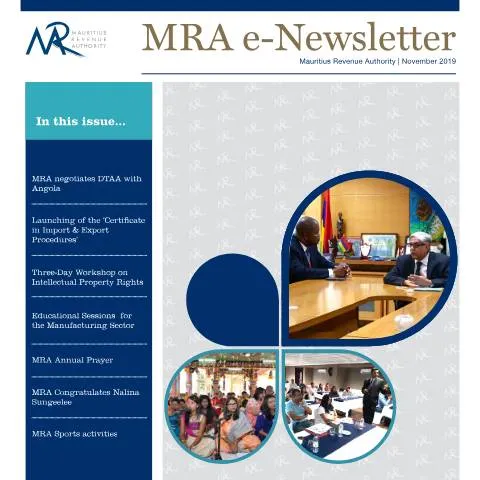
Understanding the November 2019 Document Submission Landscape
The November 2019 Document, issued by the Mauritius Revenue Authority (MRA), serves as a vital link in the broader administrative framework of Mauritius. This document is particularly significant for taxpayers and various stakeholders who must navigate the complexities of tax compliance and administration in Mauritius. Recognizing the importance of this document can help users appreciate its role in ensuring adherence to tax laws and regulations while minimizing the risk of penalties.
The Target Audience: Who Should Prepare the November 2019 Document?
This document targets a diverse range of individuals and organizations, including:
- Corporations: Entities seeking to comply with the latest tax obligations.
- Small and Medium Enterprises (SMEs): Businesses that must stay updated with tax regulations to avoid penalties.
- Freelancers and Self-Employed Individuals: Taxpayers needing to declare income and claim deductions appropriately.
- Foreign Investors: Individuals or businesses investing in Mauritius that need to engage with the MRA for tax-related matters.
Each of these groups has its own set of specific circumstances, which may influence how they interact with this document. For instance, foreign investors may need to provide additional documentation to support their claims or declarations.
Diverse Scenarios for Submission
The nuances of the November 2019 Document become particularly evident when considering the varied profiles of users who might submit it. For instance, a newly established startup might only need to provide basic financial information, while a large corporation may need to include detailed financial statements and projections.
Special Consideration: Some users may also be subject to different tax rates or exemptions based on their business type or location.
Deciphering the Document: Breaking Down the Sections
A thorough understanding of the document's structure is essential for proper completion. Users should pay careful attention to the following key sections:
- Taxpayer Identification: This section requires accurate information about the taxpayer, including the National ID number and tax identification number.
- Income Declaration: A detailed account of income sources, which must be documented with supporting evidence.
- Deductions and Credits: A section that allows taxpayers to claim allowable deductions. Users must ensure that they have proper documentation to support these claims.
- Tax Calculation: This crucial area involves calculating the total tax owed, which can significantly impact the final submission.
Completing these sections accurately is vital, as errors can result in penalties or audits. Taxpayers should approach each segment with utmost diligence, ensuring that all data provided aligns with their financial records.
Common Pitfalls in Filling the Document
While navigating the November 2019 Document, taxpayers often encounter several common mistakes. Here are some pitfalls to avoid:
- Inaccurate Identification Numbers: Always double-check the National ID and tax identification numbers.
- Incomplete Income Reporting: Omitting income sources can lead to penalties; ensure all income streams are reported.
- Neglecting Deductions: Many taxpayers fail to claim all eligible deductions, which can lead to overpayment of taxes.
Submissions: Timelines and Next Steps
Understanding the timeline for submitting the November 2019 Document is essential for compliance. The submission period typically aligns with the fiscal year's end, which runs from 1 July to 30 June. Taxpayers must be aware that failure to submit within this timeframe can result in penalties.
Once the document has been submitted, taxpayers should monitor their submissions. Typically, the MRA processes submissions within a reasonable timeframe, but users should not hesitate to follow up if they do not receive acknowledgment of receipt.
Note: It is advisable to keep copies of submitted documents for future reference and for any potential audits.Post-Submission: What Happens Next?
The processing of the November 2019 Document entails a careful review by MRA officials. Taxpayers may receive a notice regarding their tax status, which could include:
- Acceptance: Confirmation that their submission has been accepted without issues.
- Request for Additional Information: The MRA may seek further clarification or documentation.
- Notification of Audit: In cases where discrepancies are found, the MRA may initiate an audit process.
In the event of a successful submission, taxpayers will also be informed about their tax liabilities and payment deadlines. Staying proactive in following up ensures that no crucial deadlines are overlooked.
Engaging with the MRA: Communication Channels
Taxpayers needing to inquire about their November 2019 Document should utilize the MRA's official communication channels. They can contact the MRA via:
- Telephone: Dial 207 6000 to speak with a representative.
- Email: Send inquiries to [email protected].
- Online Portal: Utilize the MRA’s online platform for updates and further assistance.
Essential Documents and Their Preparation
Preparing the necessary documentation for the November 2019 Document is equally crucial. Taxpayers should gather the following:
| Document Type | Purpose | Notes |
|---|---|---|
| Income Statements | To verify reported income | Include all income sources. |
| Receipts for Deductions | To substantiate claimed deductions | Ensure they are organized and legible. |
| Tax Identification Document | To confirm taxpayer identity | Must be current and valid. |
By maintaining thorough records and being prepared with the necessary documents, taxpayers can streamline their submission process and mitigate future complications.
A Final Note on Compliance
Engaging with the November 2019 Document is not merely a bureaucratic obligation but a crucial aspect of responsible tax management in Mauritius. Understanding the roles and responsibilities associated with this document can empower taxpayers to navigate the system efficiently. By considering the guidelines provided herein, individuals and businesses alike can ensure they meet their obligations and foster a positive relationship with the Mauritius Revenue Authority.
Public Sector Recruitment Updates in November 2019
In November 2019, significant changes occurred within the recruitment processes managed by the Public Service Commission (PSC) of Mauritius. The PSC announced an overhaul of its recruitment strategy aimed at enhancing transparency, efficiency, and candidate experience. This included the introduction of new digital platforms for job applications, allowing applicants to submit their documentation electronically via the official government portal, govmu.org.
The new recruitment system emphasizes the use of technology to facilitate easier access to job opportunities in the public sector. Prospective candidates are now required to create an account on the MauPass platform, which uses the National ID Card system for authentication. It is essential for applicants to ensure their profiles are updated with current information to avoid any setbacks during the recruitment process.
Moreover, the PSC released additional information regarding the types of documents required for various positions. For example, applicants for technical roles must provide specific qualifications and certifications listed in the job descriptions, while candidates for administrative positions may be required only to submit their academic qualifications and a comprehensive CV.
Fill in your form directly online
No printing: type your details into the boxes of the official form, tick, then download the PDF ready to send.
- 1Type into the form boxes
- 2Tick in one click
- 3Save and download the PDF
Tax Administration Changes and E-Filing Promotions
During November 2019, the Mauritius Revenue Authority (MRA) launched a promotional campaign to encourage taxpayers to adopt the e-filing system. Given the fiscal year structure from 1 July to 30 June, this campaign aimed at increasing compliance rates ahead of the next tax deadline. The MRA highlighted the benefits of e-filing, stating that it minimizes errors, accelerates processing times, and provides instant confirmation of submissions.
Taxpayers were informed that they could access the e-filing services through the MRA's online platform, with detailed guides and video tutorials provided to assist users unfamiliar with the process. The MRA also extended its support services by offering webinars and in-person workshops aimed at educating the public about tax compliance and navigating the e-filing process effectively.
Furthermore, the MRA introduced various incentives for early e-filers, such as discounts on penalties for late payments if taxes were filed electronically before specific deadlines. This strategic move was aimed not only at increasing participation in the e-filing system but also at modernizing the way tax administration is handled in Mauritius.
Local Government Services and Community Engagement Initiatives
In November 2019, the Local Government Service Commission (LGSC) initiated several community engagement programs aimed at fostering better relationships between local authorities and citizens. These initiatives were designed to encourage public participation in local governance and decision-making processes, reinforcing the principle of transparency in local government operations.
One notable program was the "Speak to Your Council" initiative, which allowed community members to engage directly with their local councilors in open forums. These forums provided a platform for residents to voice their concerns, suggest improvements, and discuss community issues ranging from waste management to local infrastructure. The LGSC emphasized that such engagements are crucial for understanding the needs of the community and for fostering trust between local authorities and residents.
Additionally, the LGSC launched a feedback mechanism through their online portal where citizens could submit suggestions and complaints regarding local services. This feedback not only helps in identifying areas for improvement but also plays a crucial role in shaping local policies and service delivery.
These community engagement initiatives marked a step forward in enhancing local governance in Mauritius, demonstrating the LGSC's commitment to fostering participatory democracy at the municipal level.