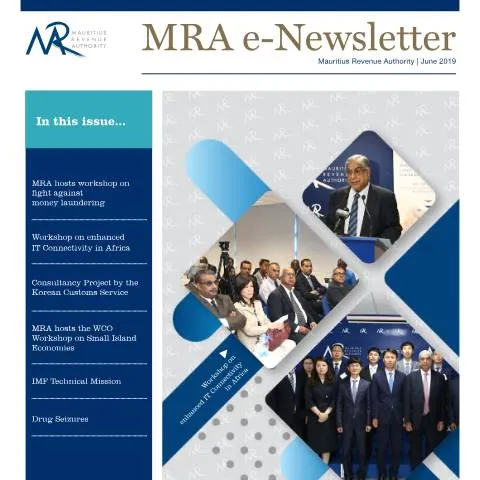
Understanding the Role of the June 2019 Document in the Mauritian Administrative Landscape
The June 2019 Document issued by the Mauritius Revenue Authority (MRA) serves not only as an important official tool within the spectrum of tax administration but also reflects the ongoing evolution in governance, compliance, and international cooperation against financial crimes. This document is pivotal for taxpayers, government officials, and institutions alike, as it encapsulates a plethora of guidelines and updates relevant to the fiscal environment of Mauritius.
The Implications of Filing the June 2019 Document
For taxpayers in Mauritius, the filing of the June 2019 Document represents a critical juncture in their compliance journey. It is not merely a formality; submitting this document could open pathways to new tax reliefs or obligations, depending on individual financial circumstances. The importance lies in the nuances of tax compliance — failure to adhere to submission deadlines or failure to accurately complete the document can lead to penalties or underpayments, impacting financial health.
Who is Required to Submit the Document?
The June 2019 Document is aimed at a diverse range of individuals and entities, each with their unique circumstances:
- Individuals: All residents with taxable income must ensure they comply.
- Businesses: Companies and self-employed individuals are required to furnish specific financial details.
- Exceptions: Certain categories like non-residents or those below the tax threshold may not need to submit.
Understanding your classification is crucial to ensuring adequate compliance and avoiding any unforeseen penalties.
Differentiating the June 2019 Document from Other Tax Forms
It’s essential to distinguish this document from other forms commonly filed in Mauritius. For example, the PSC Form 7 and LGSC Form 7a are specific to public service recruitment and local government services, respectively, catering to employment processes rather than fiscal reporting. The June 2019 Document relates specifically to tax obligations and incorporates critical updates reflecting the current economic context.
Moreover, while certain documents may allow for online submission via the MauPass system, the June 2019 Document is tailored within the framework of the MRA's e-filing system, which is designed specifically for tax purposes. This distinction is vital for ensuring compliance with the right authorities.
The Process of Completing the June 2019 Document
Completing the June 2019 Document requires attention to detail and a clear understanding of your financial situation. Below are key components to consider:
- Gathering Necessary Information: Ensure you have your financial statements, tax identification number, and any relevant documents to substantiate your claims.
- Understanding Tax Obligations: Familiarize yourself with both local and national tax obligations that may apply to you or your business.
- Completing the Document: Fill out all required fields accurately, ensuring that figures correspond with your financial records.
- Reviewing for Errors: Prior to submission, review the document thoroughly for any discrepancies or omissions.
This meticulous approach not only aids in ensuring compliance but also streamlines the processing of your submission by MRA.
Channels for Submission: Online, Paper, or In-Person
The submission of the June 2019 Document can be executed through various channels, each with its specific advantages:
- Online Submission: The MRA's e-filing platform is the most efficient method, allowing for quick processing and immediate acknowledgment of receipt.
- Paper Submission: For those who prefer traditional methods, submitting a hard copy at designated offices is still an option, though it may involve longer processing times.
- In-Person Submission at MRA Offices: This channel provides an opportunity to clarify any doubts directly with MRA officials, though queues can be expected.
Choosing the appropriate submission channel aligns with your personal preferences and requirements; however, online submission is highly encouraged to enhance efficiency.
Understanding the Processing of Your Submission
Once the June 2019 Document has been submitted, it enters the processing phase, which involves several stages:
- Initial Review: MRA officials conduct a preliminary review to ensure all required fields are complete and compliant.
- Detailed Assessment: This involves a comprehensive evaluation of the provided information, where discrepancies may lead to further inquiries.
- Final Decision: Upon completion of assessments, taxpayers will receive confirmation of their submission status, alongside any additional information regarding their tax liabilities or refunds due.
It is advisable to keep track of your submission status through the MRA's online portal to remain informed regarding any updates or required actions.
How to Follow Up on Your Submission
If you find yourself in a position where you need to follow up after submitting the June 2019 Document, here are some practical steps:
- Use the MRA Online Portal: The portal provides real-time updates and allows for communication with MRA officials.
- Contact the MRA Directly: The MRA’s customer service can be reached via telephone at 207 6000, or you can visit their office for more personalized assistance.
Timely follow-ups can ensure that any potential issues are resolved swiftly, thereby reducing the risk of penalties or delays in processing.
The Historical Context of the June 2019 Document
To fully appreciate the role of the June 2019 Document, it is essential to consider its historical context. The MRA has continuously evolved in response to both local and international tax law changes, aligning its processes with international standards, notably in the fight against money laundering and financing terrorism.
The document was released in a period marked by significant developments in tax law and fiscal policies, highlighting the MRA's commitment to transparency and efficiency. It reflects both the hybrid legal framework governing Mauritius — combining French civil law principles with English common legal procedures — and the MRA's strategic initiatives aimed at fostering taxpayer education and compliance.
Conclusion: Navigating the Future with the June 2019 Document
The June 2019 Document is a vital cog in the machinery of Mauritius's tax administration, paving the way for enhanced compliance and financial integrity. For taxpayers, understanding its intricacies and implications can lead to better financial management and adherence to the law. The MRA's role in facilitating this process cannot be overstated — it serves as the bridge between regulatory requirements and taxpayer obligations.
As Mauritius continues to bolster its economic standing and navigates through the complexities of the global financial landscape, the June 2019 Document will remain a cornerstone of administrative efficacy and taxpayer support.