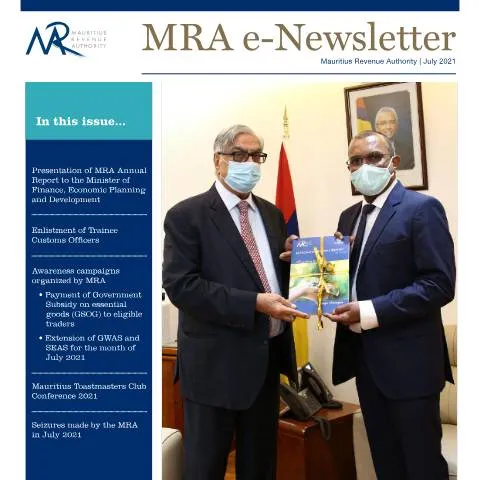
Unpacking the July 2021 E-Newsletter: A Vital Document for Stakeholders
In July 2021, the Mauritius Revenue Authority (MRA) released a comprehensive e-Newsletter that serves as a crucial medium for disseminating important information to the public, stakeholders, and various government entities. This document, referenced as ENewsletterJuly2021, encapsulates the MRA's annual report for the financial year 2019/20 alongside various initiatives and actions undertaken by the agency. Understanding this document is imperative for anyone involved in tax compliance, government subsidy applications, or those looking to stay informed about changes in the fiscal landscape.
Key Components of the July 2021 E-Newsletter
Within the e-Newsletter, several noteworthy components warrant attention:
- Annual Report Submission: The report detailing the MRA's activities and financial statements.
- Government Subsidy Outreach: Important updates about the payment of government subsidies on essential goods.
- Training Initiatives: Details about the enlistment of trainee customs officers and the associated training programs.
Each of these elements reflects the agency's commitment to transparency and efficiency in public service.
Annual Report Submission: Context and Compliance
The MRA's annual report, presented to the Minister of Finance, is not merely a bureaucratic requirement but a manifestation of accountability and governance. The document adheres to the Statutory Bodies (Accounts and Audit) Act, which demands rigorous auditing and reporting standards from statutory bodies.
What’s Inside the Annual Report?
The report comprises several critical sections:
- Audited Financial Statements: Detailed statements for the fiscal year ending 30 June 2020.
- Corporate Governance Report: Insights into governance practices as per the National Code of Corporate Governance.
- Gender Policy Statement: A commitment to gender equity within the organization.
- Implementation Plan: A roadmap for executing the recommendations provided by the Director of Audit.
- Future Strategies: A dedicated chapter outlining the “Way Forward” for the MRA.
Implications for Stakeholders: Rights and Responsibilities
Understanding the implications of the e-Newsletter is crucial for various stakeholders. Compliance with the information shared can result in a host of benefits while non-compliance can lead to significant repercussions.
For Taxpayers and Businesses
Taxpayers must adhere to updates regarding subsidy applications, especially those related to essential goods. The guidelines emphasize the importance of submitting accurate stock details to benefit from financial support efficiently.
Obligations of Registered Traders
The document specifies that registered traders must:
- Be licensed importers, manufacturers, wholesalers, or retailers of essential goods.
- Provide details of unsold stock as of 12 July 2021.
- Submit applications ONLINE through the MRA website to access subsidies.
Failure to comply with these obligations could lead to denied applications or legal repercussions.
Chain of Procedures: How This Document Fits In
This e-Newsletter is not isolated. It's part of a broader continuum of administrative procedures and documents that affect both the MRA’s operations and the general public's interaction with taxation and subsidies.
The Interplay with Other Administrative Processes
For instance, the publication on government subsidies is interlinked with tax compliance and the economic planning executed by the Ministry of Finance. Understanding how these documents relate can help stakeholders navigate their obligations more efficiently.
In the Event of Issues: Navigating Refusals or Errors
Receiving a denial or facing discrepancies in the submitted applications can lead to confusion and frustration. The e-Newsletter implicitly outlines measures for addressing such issues.
Steps to Take When Faced with Challenges
Should an application be denied or if there are missing documents:
- Review Notification Details: Understand the reasons cited for denial.
- Gather Necessary Documentation: Ensure all required documents are collected and verified.
- Contact MRA: Utilize the contact details provided within the newsletter to seek clarification or guidance.
Who Should Pay Attention? A Breakdown of Concerned Parties
Different individuals and organizations will have varied stakes in the information disseminated in this document.
Profiles Potentially Impacted
Some profiles to consider include:
- Small Business Owners: They will benefit from subsidy programs tailored for traders of essential goods.
- New Taxpayers: Those newly registering with the MRA need to understand their obligations and rights.
- Customs Trainees: Individuals undergoing training at the MRA will need to grasp the operational aspects as reflected in the newsletter.
Specific Considerations for Small Traders
Small traders should particularly note the requirements for stock declaration and online application processes. Their failure to adhere could impact eligibility for subsidies that could alleviate financial burdens.
Training and Capacity Building: A Significant Focus
The newsletter also highlights the enlistment of sixty-six trainee customs officers, an initiative that directly impacts the MRA’s operational efficiency.
Details of the Training Initiative
These trainees are selected from an extensive applicant pool, indicating a competitive entry process:
- Induction courses and practical training are tailored to equip them with the necessary skills in customs legislation.
- Continuous assessment ensures that trainees are well-prepared for their roles upon completion of their training.
Mentoring and Evaluation
Experienced customs officers will mentor the trainees throughout their program, ensuring a transfer of knowledge that aligns with operational expectations. This aspect not only enhances the trainee's skills but also augments the MRA’s capacity to manage customs effectively.
Conclusion: Remaining Informed for Future Reference
In conclusion, the July 2021 e-Newsletter serves as a multifaceted document with implications that stretch across various sectors and individuals in Mauritius. Staying informed about its content is not just beneficial but essential to ensure compliance, maximize rights, and navigate the complexities of tax and subsidy applications. Regularly checking the MRA's communications will aid stakeholders in adapting to the dynamic regulatory environment and ensuring that they are well-prepared for future developments.
Understanding the Fiscal Year: Implications for Individuals and Businesses
The fiscal year in Mauritius runs from 1st July to 30th June, a structure that aligns with various local administrative and taxation processes. Understanding this timeline is crucial for both individuals and businesses, as it influences financial planning, tax submissions, and compliance with local laws.
For individuals, it’s essential to know that personal income tax returns must be filed with the Mauritius Revenue Authority (MRA) by 30th September following the end of the fiscal year. This is particularly important for those whose income streams may vary throughout the year. For instance, if an individual earned a bonus in June, they should ensure that this income is reported accurately during the filing process to avoid discrepancies.
For businesses, aligning accounting practices with the fiscal year can significantly affect cash flow management and tax obligations. The MRA requires companies to submit annual returns and financial statements within six months following the end of the fiscal year. This allows businesses to maintain compliance while also providing ample time to prepare thorough financial documents. Additionally, it is advisable for businesses to conduct year-end audits to ensure that all financial records are accurate and in accordance with the Financial Reporting Act.
Fill in your form directly online
No printing: type your details into the boxes of the official form, tick, then download the PDF ready to send.
- 1Type into the form boxes
- 2Tick in one click
- 3Save and download the PDF
Moreover, the fiscal calendar impacts government budgeting and resource allocation, influencing public service delivery and development projects. Understanding how these elements interconnect can provide individuals and businesses with insights into the broader economic environment of Mauritius, aiding in better strategic planning.
Digital Transformation of Administrative Services in Mauritius
The shift towards digital services in Mauritius has become increasingly pronounced, particularly following initiatives aimed at improving public service delivery. The government has embraced digital transformation as a means to streamline administrative processes, enhance accessibility, and reduce the time required for engaging with various authorities.
One notable development is the enhancement of the MauPass system, which allows citizens to access multiple government services using a single sign-on linked to their National ID Card through the Central Population Database. This system simplifies access to services such as tax payments, application submissions, and status tracking of various requests. For example, individuals can apply for government jobs through the Public Service Commission (PSC) portal while simultaneously ensuring that their tax obligations are met through the MRA’s e-filing system.
Furthermore, the government’s push for e-services has been met with mixed reactions among users. While many appreciate the convenience of online applications, others face challenges related to digital literacy and access to technology. Therefore, it is imperative for the government to invest in public education campaigns and support initiatives that empower citizens to navigate these digital platforms effectively.
In addition, the introduction of e-services has repercussions on the speed and efficiency of public service delivery. For example, the automation of application processes is expected to significantly reduce processing times, allowing citizens to receive responses more quickly than through traditional methods. However, it is crucial for administrative bodies to ensure that these systems are secure and user-friendly to prevent any potential cybersecurity threats and to foster trust among users.
Local Government Initiatives and Community Engagement
Local government in Mauritius plays an essential role in the implementation of policies and the provision of services at the community level. With the Local Government Service Commission (LGSC) at the helm, there are various initiatives aimed at engaging citizens in local governance and community development.
One key initiative is the promotion of public consultations, where local authorities organize meetings to discuss community needs and gather input on ongoing projects. These consultations enable residents to voice their concerns, suggest improvements, and contribute to the decision-making process. For instance, if a new infrastructure project is proposed, local authorities will often invite feedback from residents to ensure the project aligns with community aspirations.
Moreover, the LGSC has been proactive in encouraging community participation through various forums, such as local development committees. These committees serve as a bridge between the government and the citizens, facilitating communication and collaboration on local issues. By empowering residents to take an active role in governance, local authorities can foster a sense of ownership and accountability within communities.
In addition, the LGSC has established programs to support local entrepreneurship and development. By providing training and resources to small and medium-sized enterprises (SMEs), local governments aim to stimulate economic growth and job creation within their jurisdictions. Engaging with local businesses and understanding their challenges directly influences the support that local authorities provide, ensuring that it is tailored to the specific needs of the community.
Overall, increased community engagement through local government initiatives is essential for building resilient and sustainable communities in Mauritius. By fostering collaboration between authorities and citizens, local governance can become more effective in addressing the unique challenges faced by different regions across the island.