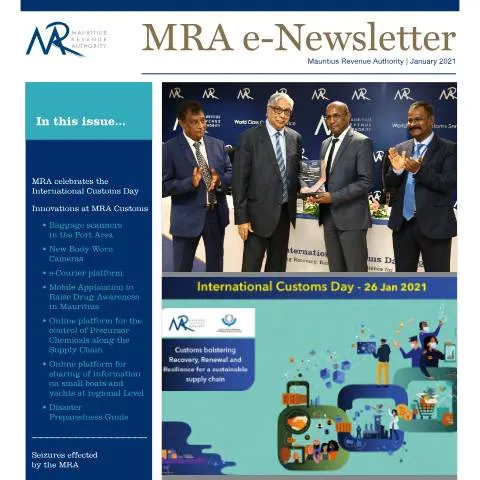
Navigating the January 2021 Official Document: Understanding Its Importance
The January 2021 official document serves as a pivotal component in numerous administrative processes within Mauritius. It encapsulates essential updates and announcements from the Mauritius Revenue Authority (MRA), a key institution in the country's tax administration framework. This document plays a vital role in guiding citizens and businesses through various changes in legislation, procedures, and technological advancements that impact their interactions with the MRA.
Recognizing the significance of this document is critical for stakeholders, including business owners, tax professionals, and citizens, as it outlines crucial updates that can affect compliance, reporting requirements, and engagement with MRA's services.
Who Should Engage with the January 2021 Document?
This document is particularly pertinent for various groups, including:
- Business Owners: Those operating small to medium enterprises who need to stay updated on tax obligations and compliance.
- Accountants and Tax Advisors: Professionals responsible for ensuring accurate tax filings and advising clients on the latest regulations.
- Individuals: Citizens seeking clarity on personal tax matters and compliance with any new legislation introduced by the MRA.
Each group might have unique concerns or queries about how the updates in the newsletter impact their specific circumstances.
Understanding the Structure of the Document
The structure of the January 2021 document is methodically organized to ensure clarity and ease of navigation. Key sections typically include:
- Highlights of Recent Changes: An overview of significant updates regarding tax legislation or processes.
- Technological Advancements: Information about new tools or platforms aimed at facilitating smoother interactions with the MRA.
- Events and Celebrations: Details about significant dates like the International Customs Day, which fosters awareness and collaboration in the customs community.
- Future Initiatives: An insight into upcoming projects or changes that stakeholders should prepare for.
Understanding this structure helps users better locate relevant information that pertains to their needs.
Completing and Submitting the Document: A Step-by-Step Guide
When engaging with the January 2021 document, it may sometimes necessitate action or a formal response, especially when it outlines requirement updates. Here’s how to approach it:
Step 1: Review the Document Thoroughly
Read through the entire document, paying careful attention to sections that apply to your circumstances. Take note of any new requirements or updates that might affect you directly.
Step 2: Gather Necessary Documentation
Depending on the updates, you may need to collate certain documents. Examples include:
- Tax returns for the previous fiscal year.
- Notification letters from the MRA.
- Relevant identification documents (e.g., National ID).
Step 3: Prepare Your Submission
If the document requires you to submit additional forms or information, ensure that you complete them accurately. For example, if new tax brackets or exemptions are mentioned, check the MRA website for the relevant forms, such as the PSC Form 7.
Step 4: Submit Your Documents
Utilize the MauPass system for submitting your documents electronically, linking seamlessly with your National ID. If you prefer in-person submission, head to the nearest MRA office during working hours.
Follow-Up: Ensuring Your Submission is Processed
Once you have submitted your documents, it's prudent to follow up to ensure that your submission has been processed correctly.
Tracking Your Submission
You can verify the status of your submission through the MRA’s online portal, where you can check for updates related to your case or query.
What to Do If You Encounter Issues
If your submission encounters issues, such as missing documents or a failure to comply with new regulations, contact the MRA directly. It's advisable to:
Fill in your form directly online
No printing: type your details into the boxes of the official form, tick, then download the PDF ready to send.
- 1Type into the form boxes
- 2Tick in one click
- 3Save and download the PDF
- Retrieve any communication from the MRA regarding your submission.
- Document your follow-up efforts for reference.
- Seek clarification on any specific points of confusion.
What Happens Next: The Administrative Journey
Once your documents are processed, the MRA will communicate the outcome of your submission. Understanding the potential outcomes is important:
Outcomes You Might Encounter
- Approval: Your submission might be approved, allowing you to proceed with the next steps in compliance.
- Request for Additional Information: In some cases, the MRA may require further documentation before a decision can be made.
- Denial: If your submission is denied, the MRA should provide reasons, allowing you to rectify the issues before resubmission.
Addressing Complex Scenarios: Special Considerations
Each user might face unique challenges, such as being a non-resident, a minor, or dealing with urgent situations.
Non-Residents
For non-residents engaging with the MRA, it’s crucial to be aware of specific tax obligations and compliance requirements unique to your status. Always check for updated regulations that might apply to foreigners conducting business in Mauritius.
Minors
Parents or guardians must submit documentation on behalf of minors, ensuring that all necessary information is included as required by the MRA.
Urgent Situations
If you find yourself in an urgent situation requiring immediate compliance, consider reaching out directly to the MRA’s customer service for expedited assistance.
Conclusion: The Importance of Staying Informed
The January 2021 official document from the MRA is not merely a collection of updates; it is a roadmap guiding stakeholders through the evolving landscape of tax and revenue regulations in Mauritius. By engaging with this document, preparing thoroughly, and following through with necessary submissions, stakeholders can ensure compliance and maintain their standing with the MRA. Being proactive in understanding these communications can significantly impact one's administrative efficiency and overall success in navigating the Mauritian tax landscape.