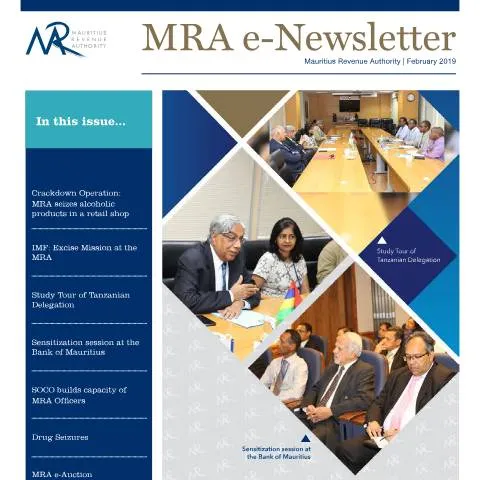
Understanding the February 2019 Official Document: A Deep Dive
The February 2019 document issued by the Mauritius Revenue Authority (MRA) encapsulates crucial insights into the regulatory landscape concerning the trade of alcoholic products, the functioning of tax administration, and broader governance measures. As citizens and businesses navigate the complexities of compliance, this document serves as a beacon for understanding procedures, responsibilities, and expectations set forth by the MRA.
The Role of the February 2019 Document in Regulatory Compliance
This document plays an intricate role in various compliance frameworks. Specifically, it highlights actions taken by the MRA regarding the illicit trade of alcohol. Such operations emphasize the enforcement of licensing laws and the commitment to uphold the integrity of the local market. The MRA's crackdown on unlicensed liquor sales, as documented, underscores this authority's vigilance in ensuring compliance with local regulations.
Key Highlights of the Document
- Seizures and Enforcement Actions: The document details the MRA's enforcement efforts, including significant seizures of alcoholic products worth over Rs 200,000. These actions not only reflect the authority's proactive stance against illegal operations but also reinforce the necessity for retailers to adhere to proper licensing protocols.
- Educational Initiatives: The document notes the MRA's commitment to education through sensitization sessions conducted at the Bank of Mauritius, aimed at raising awareness about compliance in the Global Business Sector.
- International Collaboration: The engagement with the Tanzania Revenue Authority demonstrates the MRA's willingness to share knowledge and practices, enhancing bilateral relations and fostering improved tax administration practices.
Who Should Submit This Document?
This document is primarily directed towards retail businesses involved in the sale of alcoholic products. Individuals operating such businesses must ensure compliance with local regulations by obtaining the necessary licenses. Failure to submit this document, or operating without a valid license, could result in severe penalties, including the seizure of goods and potential prosecution.
Exceptions and Special Cases
In certain circumstances, exemptions may apply:
- Foreigners and Expats: Non-Mauritian residents intending to operate businesses within the alcoholic sector may face additional regulatory hurdles, including the need for special permits and licenses.
- Minors: Individuals under the age of 18 are strictly prohibited from holding licenses for the sale of alcohol, underscoring the legal protections in place to prevent underage drinking.
- Emergency Situations: In cases of immediate public health concerns (e.g., during a pandemic), the MRA may alter its enforcement procedures, temporarily relaxing certain compliance requirements to facilitate quick responses.
Filling Out the Document: A Step-by-Step Guide
Complying with the stipulations outlined in the February 2019 document requires meticulous attention to detail. When filling out the accompanying form, stakeholders should adhere to the following guidelines:
Detailed Breakdown of Required Sections
| Section | Description | Common Pitfalls |
|---|---|---|
| Business Information | Include the registered name and address of the business. | Ensure that the name matches exactly with the legal documentation. |
| Owner's Details | Provide personal information including ID number and contact details. | Double-check ID numbers for accuracy. |
| Licensing Information | Indicate if a liquor license is held, and submit necessary documentation. | Failure to attach relevant licenses can result in rejection. |
| Compliance Statement | A declaration of adherence to local laws regarding alcohol sales. | Inconsistent declarations may lead to legal consequences. |
Submission Channels: Navigating the Bureaucratic Landscape
Stakeholders have multiple avenues for submitting the required documentation. Understanding these channels ensures compliance while maximizing efficiency.
Exploring Submission Options
- Online Submission: Through the MRA portal on govmu.org, users can submit documents electronically, which is recommended for its speed and convenience.
- Paper Submission: Alternatively, physical copies of the document can be submitted at local MRA offices. This method may be less time-efficient but is suitable for those unfamiliar with online systems.
- Walk-in Services: MRA offices offer guidance for in-person submissions, which can be particularly useful for complex situations or for those needing immediate assistance.
Responding to Challenges: What If Issues Arise?
Despite meticulous preparation, issues may still arise during the submission process. Being aware of possible challenges can mitigate stress and ensure compliance.
Addressing Common Challenges
- Document Rejection: Should your submission be rejected, inquire promptly with the MRA regarding specific reasons, and rectify the issues before resubmission.
- Missing Documentation: If essential documents are missing, gather the required items swiftly, as the MRA may have strict deadlines for compliance.
- Appeals Process: In cases of severe penalties or refusals, stakeholders have the right to appeal decisions through official channels, ensuring that their grievances are heard fairly.
Comparative Analysis: Differentiating This Document from Similar Forms
Within the spectrum of official documents related to business operations in Mauritius, the February 2019 document specifically addresses issues surrounding the sale of alcoholic products. Understanding how this differs from other forms can prevent misunderstandings and misapplications.
Distinctions from Related Forms
| Document Type | Focus Area | Unique Requirements |
|---|---|---|
| Alcohol License Application | Specific to obtaining the right to sell alcohol. | Requires detailed financial disclosures and safety protocols. |
| Business Registration Form | General registration for all types of businesses. | No specific focus on alcohol compliance. |
| VAT Registration Form | Applicable to businesses collecting VAT. | Different compliance criteria centered on tax collection and remittance. |
Final Thoughts: The Importance of Staying Informed and Compliant
Engaging with the February 2019 document is more than a simple bureaucratic exercise; it is an essential component of responsible business practice in Mauritius. The evolving nature of tax law and regulatory requirements necessitates that businesses remain vigilant and informed. By understanding the nuances of this document, stakeholders can navigate the complexities of compliance with confidence, reduce the risk of penalties, and foster a transparent business environment.
Moreover, proactive engagement with the MRA, attending workshops, and utilizing available resources will only strengthen an entity’s compliance posture, ensuring sustainable operations in the competitive marketplace of Mauritius.
Understanding the February 2019 Economic Context in Mauritius
February 2019 marked a significant period for the Mauritian economy, characterized by a blend of challenges and opportunities. During this month, the government focused on stimulating economic growth through various initiatives, including infrastructural development, tax reforms, and enhanced foreign direct investment (FDI) strategies. Key sectors such as tourism, information technology, and financial services received considerable attention, which was essential for Mauritius's ambition to become a high-income economy.
The backdrop of the economic landscape in February 2019 included the global economic slowdown, which posed risks to export-oriented sectors. However, Mauritius maintained a robust economic outlook by diversifying its export markets and enhancing the quality of its products. The government’s approach involved fostering an enabling environment for businesses, which was critical in attracting foreign investments. The National Economic Development Plan was a cornerstone of this strategy, aiming to create job opportunities and drive innovation.
Moreover, the Bank of Mauritius adopted a cautious monetary policy in response to inflationary pressures, which was prevalent during this period. The central bank's decisions focused on maintaining financial stability while ensuring adequate liquidity in the market. These measures were essential for protecting the purchasing power of consumers and sustaining overall economic growth.
Public Services and Civic Engagement in February 2019
February also witnessed a notable increase in civic engagement and public service initiatives aimed at involving citizens in the governance process. The Public Service Commission (PSC) played a pivotal role in recruiting new talents into the civil service, emphasizing transparency and efficiency in its operations. The launch of new online platforms for job applications under PSC initiatives simplified the recruitment process and made it more accessible for the population.
Fill in your form directly online
No printing: type your details into the boxes of the official form, tick, then download the PDF ready to send.
- 1Type into the form boxes
- 2Tick in one click
- 3Save and download the PDF
Throughout February 2019, various public consultations and forums were organized to gather citizens' feedback on proposed policies and reforms. These engagements were crucial for promoting transparency and ensuring that the voices of the Mauritian people were heard in the formulation of public policies. Such participatory governance mechanisms underscored the commitment of the government to foster a collaborative approach between the state and its citizens, enhancing the democratic fabric of the nation.
Furthermore, the government encouraged digital literacy programs to aid citizens in navigating online services effectively. This initiative aimed to empower individuals to utilize e-services, including those offered by the Mauritius Revenue Authority (MRA) for tax submissions and the local government services. By promoting digital engagement, the government sought to bridge the gap between traditional bureaucratic processes and modern technology, thereby improving overall service delivery.
Environmental and Social Initiatives in February 2019
In February 2019, environmental sustainability emerged as a focal point in Mauritius, with several initiatives launched to address climate change and promote eco-friendly practices. The government's commitment to preserving the island's unique biodiversity was reinforced through partnerships with local and international environmental organizations. Efforts included reforestation campaigns and waste management strategies aimed at reducing the carbon footprint and promoting sustainable tourism.
Moreover, social initiatives targeted vulnerable communities, focusing on enhancing access to education, healthcare, and social services. The government's social policy framework included programs aimed at empowering women and youth, recognizing their crucial roles in the socio-economic development of the nation. By prioritizing social equity, the government aimed to ensure that the benefits of economic growth were distributed fairly across all segments of society.
Local NGOs were integral in implementing these social programs, providing on-the-ground support and mobilizing community participation. February saw a surge in volunteerism, with citizens actively engaging in community service projects, which contributed to fostering a sense of unity and civic responsibility among the populace. This collective effort not only enriched the social fabric of Mauritius but also aligned with the Sustainable Development Goals (SDGs) outlined by the United Nations.