Understanding the Quarterly Stats Document: An Essential Overview
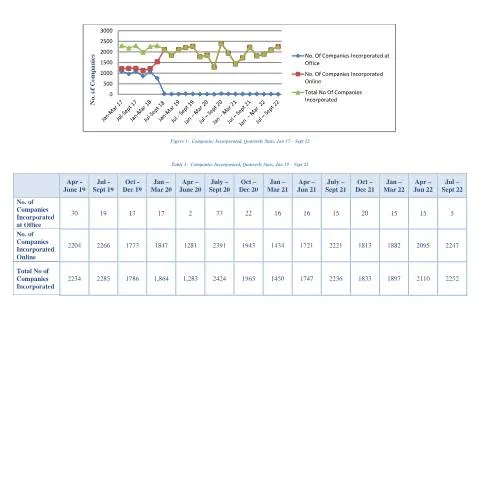
The Quarterly Stats document, officially referenced as Quarterly-Stats, plays a pivotal role in the governance and analysis of corporate activity in Mauritius. This document captures the essential statistics related to company incorporations that occur within a given fiscal quarter. Understanding its significance, proper completion, submission process, and implications for businesses is crucial for all stakeholders involved.
Who Should Submit the Quarterly Stats Document?
Primarily, the submission of the Quarterly Stats document is the responsibility of the Registrar of Companies, who operates under the purview of the Registrar of Companies Act. However, it is essential to note that other entities, such as accounting firms and business consultants, may also contribute data that is aggregated into this quarterly report.
The document serves various stakeholders, including:
- Government agencies: Who use the data for policy-making and economic development analysis.
- Investors: Seeking insights into market trends and company performance.
- Researchers: Focused on labor market trends and economic statistics.
Each quarter, these entities must ensure their contributions accurately reflect the business activities occurring within the designated timeframe.
Navigating the Completion of the Quarterly Stats Document
Completing the Quarterly Stats document involves several key steps, each designed to ensure accuracy and compliance with Mauritian regulations. Actors involved in this process should be familiar with the specific details required.
Essential Information Required
The document typically includes the following sections:
- Number of Companies Incorporated: Detailing both online and office incorporations.
- Average Time Taken: Record of the mean time (in hours) taken for incorporation processes.
- Comparison Data: Historical data for comparative analysis over previous quarters or years.
Step-by-Step Guide to Filling Out the Document
- Gather Necessary Data: Ensure that you have all relevant statistics regarding company incorporations for the quarter.
- Accurate Entry: Carefully input the data into the designated fields, ensuring there are no discrepancies.
- Verification: Cross-check with internal records to confirm the accuracy of the information provided.
- Submit for Review: Once the document is filled out, it should be submitted to the appropriate department within the government, typically through the GovMU.gov.mu online portal.
Submission Process: Ensuring Compliance
Once the Quarterly Stats document is accurately completed, understanding the submission process is vital. Adhering to procedural standards not only ensures compliance but also enhances data integrity.
Preferred Submission Channels
The primary method of submission is through the online government portal, which promotes efficiency and tracking. Physical submissions may also be acceptable in some instances; however, electronic submissions are encouraged to facilitate quicker processing times.
Deadlines for Submission
Entities must be aware of the critical deadlines for submitting the Quarterly Stats document:
- Submissions are due within 30 days following the end of the fiscal quarter.
- Failure to submit on time may result in penalties or legal repercussions, so it's advisable to mark these deadlines on personal or organizational calendars for timely action.
Ensuring Data Integrity: Follow-Up Procedures
After submission, stakeholders should actively monitor the status of their submissions. Here’s how to ensure that everything is on track:
Tracking Your Submission
Once submitted, entities can track their Quarterly Stats filings by:
- Logging into the GovMU portal to verify submission status.
- Contacting the Registrar of Companies for confirmation if discrepancies arise.
What Happens After Submission?
The government will process the data, and any inconsistencies or required corrections will be communicated back to the submitter. It's crucial to address any feedback or requests for further information promptly to avoid delays in finalizing the quarterly stats.
Handling Irregularities: Addressing Refusals and Errors
Despite meticulous efforts, situations may arise where submissions are contested, or errors are identified. Understanding the protocol for such cases is key to effective resolution.
What to Do in Case of Refusal
If your submission is met with refusal due to perceived inaccuracies or incomplete information:
- Request Clarification: Seek specific feedback from the authorities about the reasons for rejection.
- Amend and Resubmit: Make the necessary adjustments and submit the corrected document promptly.
Missing or Incorrect Information?
Should any pieces of information be flagged as missing or incorrect:
- Review Requirements: Check against the guidelines provided by the government to ensure compliance.
- Submit Additional Information: Provide the requested data or amendments as soon as possible to avoid penalties.
The Impact of the Quarterly Stats Document on Stakeholders
The implications of the data captured in the Quarterly Stats document extend beyond mere numbers; they influence business strategies and government policies alike.
Rights and Obligations for Submitters
Entities submitting the Quarterly Stats document must be aware of the following:
- Right to Representation: Each submitter has a right to ensure their data is accurately represented and that they receive feedback on submissions.
- Obligation to Comply: Failure to adhere to submission guidelines can result in penalties such as fines or disqualification from future submissions.
Broader Economic Implications
Data collected will inform economic strategies and initiatives, affecting:
- Investment Opportunities: Investors rely on accurate data to make informed decisions.
- Policy Formulation: Government agencies use statistics to shape economic policies and regulatory frameworks.
Conclusion: The Quarterly Stats Document as a Tool for Enhancement
In the landscape of Mauritius’ corporate regulatory framework, the Quarterly Stats document serves as more than just a reporting tool; it is a vital instrument for accountability and economic transparency. Each submission enriches the database from which informed decisions and policies can be developed, ultimately contributing to the nation’s growth and prosperity.
Entities involved in this process are encouraged to view their participation as a valuable contribution to the collective understanding of the economic environment, paving the way for future advancements and strategic planning.
Understanding Quarterly Statistics in Mauritius: A Comprehensive Overview
The analysis of quarterly statistics in Mauritius provides critical insights into various sectors of the economy, helping policymakers, researchers, and business leaders to make informed decisions. The Statistics Mauritius, a statutory body established under the Statistics Act 2000, is responsible for the collection, compilation, and dissemination of statistical data. This section delves into the significance of quarterly statistics, the methodology of data collection, and the implications for different sectors.
Quarterly statistics encompass various indicators including gross domestic product (GDP), unemployment rates, inflation rates, and sectoral performance metrics. Understanding these statistics is vital for gauging the health of the Mauritian economy. For instance, the GDP growth rate reported quarterly can influence government policy decisions, investment strategies, and public spending.
Methodology of Data Collection
The methodology employed by Statistics Mauritius involves a rigorous process to ensure the accuracy and reliability of data. Data is collected through surveys, administrative records, and statistical models. Key surveys include the Quarterly Labour Force Survey (QLFS), which provides detailed insights into employment trends, and the Business Tendency Survey (BTS), which gauges business sentiment across various sectors.
One of the significant challenges in data collection is ensuring the representativeness of samples. Statistics Mauritius employs stratified sampling techniques to ensure that data reflects the diverse economic landscape of the country. This involves segmenting the population into subgroups (strata) and conducting surveys within these strata to obtain a comprehensive view of the economic activities.
Fill in your form directly online
No printing: type your details into the boxes of the official form, tick, then download the PDF ready to send.
- 1Type into the form boxes
- 2Tick in one click
- 3Save and download the PDF
Implications for Various Sectors
Quarterly statistics have far-reaching implications across different sectors. For instance, in the tourism sector, quarterly data on visitor arrivals helps stakeholders understand trends, enabling them to make informed decisions regarding marketing strategies, resource allocation, and service enhancements. Similarly, in the manufacturing sector, statistics on production levels can indicate the health of the industry and inform investment decisions.
Furthermore, quarterly statistics can also impact fiscal policies. For example, if inflation rates are rising above the target threshold, it may prompt the Bank of Mauritius to adjust interest rates to stabilize the economy. The quarterly updates serve as a feedback mechanism for the effectiveness of existing policies and the need for adjustments based on current economic conditions.
Challenges in Data Interpretation and Usage
While quarterly statistics serve as a vital tool for understanding the economic landscape of Mauritius, there are inherent challenges in their interpretation and usage. Misinterpretation of data can lead to misguided policy decisions, investor hesitance, and public misunderstanding of the economic situation.
Complexity of Data Presentation
The presentation of quarterly statistics can sometimes be complex, laden with technical jargon and statistical measures that may not be easily understood by the general public. To address this, Statistics Mauritius is working towards improving data visualization and public communication strategies. This includes the use of infographics, interactive dashboards, and public forums to explain the data and its implications.
Delayed Release of Data
Another challenge is the potential delay in the release of quarterly statistics. While efforts are made to publish data promptly, factors such as data verification processes and the need for accuracy can lead to delays. This can impact timely decision-making for businesses and policymakers. Stakeholders often rely on timely data to adapt their strategies, and any delay can result in missed opportunities or prolonged economic uncertainty.
Data Reliability Concerns
Data reliability is paramount in economic decision-making. Concerns may arise regarding the accuracy of the data collected, particularly in the face of rapid changes in the economic environment. For instance, during periods of economic distress, such as the COVID-19 pandemic, fluctuations in data may occur due to changes in reporting behaviors or economic conditions. Continuous efforts to improve data collection methodologies and validation processes are essential to maintain the trust of users in the data provided by Statistics Mauritius.
Future Trends and Developments in Quarterly Statistics
Looking ahead, the landscape of quarterly statistics in Mauritius is set to evolve significantly, driven by technological advancements and changing economic dynamics. The integration of big data analytics, machine learning, and artificial intelligence into statistical methodologies will enhance the quality and timeliness of the data collected.
Emphasis on Digital Transformations
As Mauritius embraces digital transformation, there is a concerted effort to enhance e-services related to statistical data. The government aims to utilize e-governance platforms to streamline data collection and dissemination processes. This shift will not only improve accessibility for citizens and businesses but will also allow for real-time data updates, thereby enhancing the responsiveness of policy frameworks to emerging economic trends.
Increased Stakeholder Engagement
Another emerging trend is the increased engagement with stakeholders in the statistical process. Statistics Mauritius is actively seeking feedback from various sectors, including academia, business, and civil society, to improve the relevance and usability of the data provided. This collaborative approach is expected to lead to a more informed public discourse on economic issues and enhanced policy formulation processes.
Focus on Sustainable Development Goals (SDGs)
The alignment of quarterly statistics with the United Nations Sustainable Development Goals (SDGs) represents a significant shift in the data collection paradigm. As Mauritius strives to achieve these goals, there will be an increased focus on collecting data related to environmental sustainability, social equity, and economic resilience. This will not only enrich the statistical landscape but will also provide invaluable insights into the nation’s progress towards sustainable development.