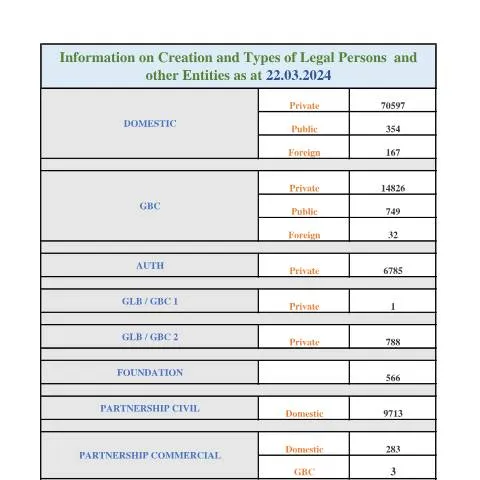
Understanding the STATS AS AT 22.03.2024 Document
The STATS AS AT 22.03.2024 document plays a pivotal role in the administrative landscape of Mauritius, particularly for stakeholders in various sectors. It serves as a crucial tool for reporting and statistical analysis, facilitating a well-organised approach to data management. The implications of this document are wide-ranging, affecting everything from governance to economic planning. Here, we delve into the specifics that surround this document, ensuring a thorough grasp of its significance.
Navigating the Submission Channels for STATS AS AT 22.03.2024
When it comes to submitting the STATS AS AT 22.03.2024 document, applicants have several options to consider. Each channel of submission has its own set of benefits, and understanding these can assist users in choosing the most efficient pathway.
- Online Submission: The digital route is increasingly favoured due to its convenience and speed. Users can access the government portal and follow the online instructions for completion and submission. This channel often allows for immediate confirmation of receipt.
- Paper Submission: Although the trend is leaning towards digital, traditional paper submission remains viable. Applicants must ensure that they use the correct postal address to avoid delays. Handwritten forms must be carefully filled out to avoid errors.
- In-Person Submission: For those who prefer face-to-face interaction, visiting the relevant administrative office is an option. This method allows users to clarify any doubts on the spot and receive immediate feedback on the completeness of their submission.
It's crucial to note that the processing times may vary between these channels, with online submissions generally being processed more swiftly than paper submissions.
Diving Deep into the Form Sections
The STATS AS AT 22.03.2024 document is structured into various sections, each demanding careful attention. A misstep in any of these areas can lead to delays or rejection of the application.
Section Breakdown
- Identification Information: This section requires precise personal details, including full name, National ID number, and contact information. Double-check that these are consistent with official records to prevent discrepancies.
- Entity Information: If the applicant represents an organisation, clear descriptions of the entity type, such as Domestic Limited Liability Partnership or Foreign GBC, must be specified. Each category has distinct implications for taxation and compliance.
- Statistical Data: The heart of the document, this section requires detailed numerical data relevant to the entity’s operations. Common pitfalls include rounding errors and omissions. It's advisable to cross-verify figures with accounting records.
- Declaration and Authorisation: This section confirms that the information provided is accurate and complete. Any false declaration can have significant legal repercussions. Hence, it should be reviewed carefully before submission.
What If Your Submission Faces Challenges?
Submitting the STATS AS AT 22.03.2024 document can sometimes lead to complications. Understanding how to navigate these issues is essential for successful resolution.
Addressing Common Issues
- Application Refusal: Should the document be rejected, the first step is to review any feedback provided. Common reasons for refusal include incomplete forms or lack of supporting documents. Depending on the feedback, applicants may need to resubmit the entire document or provide additional information.
- Rectifying Errors: If an error is identified post-submission, it’s critical to address this promptly. Contact the relevant administrative office for guidance on how to amend the submission, which could involve filling out a correction form or submitting a supplementary document.
- Missing Documents: If your application is flagged for missing documents, gather the required pieces as quickly as possible, ensuring they comply with the guidelines outlined in the document instructions. Providing these documents in the required format can expedite the approval process.
The Role of STATS AS AT 22.03.2024 in Broader Administrative Processes
This specific document does not exist in isolation but is integral to a larger framework of administrative processes in Mauritius. Understanding its context provides insight into its importance.
The STATS AS AT 22.03.2024 forms part of the national data collection system, which informs government policy, public sector strategies, and economic development initiatives. Accurate and timely completion of this document helps ensure that decision-makers have reliable data at their disposal, directly impacting resource allocation and policy formulation.
Interacting with the Administration: Tracking Your STATS AS AT 22.03.2024 Submission
Once the STATS AS AT 22.03.2024 document has been submitted, it's important to understand how the administrative process flows and how applicants can keep track of their submissions.
Monitoring Your Submission Status
For those who have submitted online, tracking the status of your application is typically straightforward. The government portal may provide real-time updates regarding the processing stages. For paper submissions, applicants might need to wait longer for confirmations but should retain copies of submitted documents as proof of submission.
Moreover, there are avenues available for following up on delayed applications. It is advisable to keep records of the submission date, the mode of submission, and any reference numbers provided during the process. Should an application remain stagnant, reaching out to the appropriate office via email or phone may yield clarity.
Preparing for Future Submissions: Best Practices
A proactive approach in preparing for the STATS AS AT 22.03.2024 submission can lead to a smoother process. Below are best practices that individuals and organisations can adopt to enhance their submission experience.
- Familiarise Yourself with the Requirements: Prior to submission, take the time to thoroughly review all guidelines and requirements associated with the document. This includes understanding the specific data and formats required.
- Utilise Checklists: Develop a checklist of required documents and data points. This strategic tool can help ensure nothing is overlooked.
- Consult with Experts: For complex submissions, especially for corporations or partnerships, consider consulting with a compliance specialist or legal adviser. Their insights can prove invaluable in ensuring your submission adheres to all legalities.
Conclusion: The Importance of Accuracy and Timeliness
Completing and submitting the STATS AS AT 22.03.2024 document requires careful attention to detail and adherence to regulations. The ramifications of accurate submission extend beyond the individual; they contribute to the broader socioeconomic fabric of Mauritius. Therefore, embracing diligence and thoroughness in this process is not just a requirement—it's a contribution to the nation's collective data integrity and informed decision-making.
Key Economic Indicators and Trends in Mauritius as of March 22, 2024
As of March 22, 2024, Mauritius continues to showcase a resilient economy, characterized by diversification across various sectors. The latest economic indicators reveal a GDP growth rate of approximately 4.2%, indicating a steady recovery post-pandemic. The services sector remains the backbone of the economy, contributing around 70% to the GDP, while the manufacturing and agricultural sectors are also showing signs of growth.
The unemployment rate has seen a slight decrease to 7.5%, attributed to government initiatives aimed at job creation and support for small and medium enterprises (SMEs). The tourism sector, vital to the economy, has rebounded with an influx of international travelers, boosting local businesses and employment opportunities. The Ministry of Tourism has reported a 15% increase in visitor arrivals compared to pre-pandemic levels, with key markets including Europe and Asia showing significant interest.
Furthermore, inflation rates have stabilized at around 3.8%, influenced by global economic conditions and local monetary policies. The Bank of Mauritius continues to monitor these trends closely, ensuring that interest rates remain conducive to fostering economic growth while keeping inflation in check.
In terms of trade, exports have increased by 8%, driven largely by textiles, agricultural products, and processed food. The government has been proactive in enhancing trade relations through various bilateral agreements, aiming to open new markets for Mauritian products.
Fill in your form directly online
No printing: type your details into the boxes of the official form, tick, then download the PDF ready to send.
- 1Type into the form boxes
- 2Tick in one click
- 3Save and download the PDF
Social Developments and Population Statistics
The demographic landscape of Mauritius as of March 2024 presents intriguing insights. The population is estimated to be approximately 1.3 million, with a growth rate of 0.6% per annum. Notably, the fertility rate has continued its decline, now averaging 1.5 births per woman, which raises discussions about the implications for future workforce demographics and social services.
The age distribution indicates a growing aging population, with around 15% of residents aged over 60. This demographic shift poses both challenges and opportunities for policymakers, particularly in healthcare provision and retirement planning. The government has launched initiatives aimed at enhancing healthcare access for the elderly, including targeted health screenings and community support programs.
Educational attainment has improved, with 97% of the population being literate. However, there's an ongoing need for vocational training and skills development to meet the demands of a rapidly changing job market. The Ministry of Education is collaborating with industry stakeholders to align educational curricula with skills required in sectors like technology, hospitality, and renewable energy.
Environmental Sustainability Initiatives
As of March 2024, Mauritius is placing significant emphasis on environmental sustainability and climate resilience. The government has been actively engaging in international dialogues on climate change, committing to reducing carbon emissions and enhancing renewable energy usage. The target is to achieve 35% of the nation’s energy from renewable sources by 2030, supported by investments in solar, wind, and biomass energy projects.
Marine biodiversity remains a focal point, with ongoing efforts to protect coral reefs and marine ecosystems. The Ministry of Environment has initiated programs aimed at sustainable fishing practices and the rehabilitation of damaged marine habitats. Community engagement is central to these initiatives, with local stakeholders invited to participate in conservation efforts and monitoring activities.
Furthermore, urban planning is increasingly incorporating green spaces and sustainable practices. The government is promoting eco-friendly building standards and incentivizing businesses to adopt sustainable practices. The push for a circular economy is evident, with initiatives aimed at reducing waste and encouraging recycling throughout the island.