Navigating the Statistics Insolvency Service Form: Essential Insights for Stakeholders
In the context of financial distress, the Statistics Insolvency Service Form (code: Statistics_Insolvency-Service_07_11_24) plays a pivotal role in the administration of insolvency proceedings in Mauritius. Understanding its intricate details is crucial for stakeholders involved in the winding up of companies under the Insolvency Act of 2009. This article dissects the various dimensions of this form, guiding users through its completion, submission, and the broader implications for insolvency management.
The Unique Position of the Statistics Insolvency Service Form
At first glance, the Statistics Insolvency Service Form may appear similar to other administrative forms, such as those used for tax declarations or company registrations. However, its specificity sets it apart. This form is tailored for the collection of statistical data concerning the winding up and administration of companies. Unlike general forms, this document is not just a procedural formality; it serves a significant purpose in understanding the trends and patterns of insolvencies.
On the operational front, the Statistics Insolvency Service Form is utilized mainly by liquidators, insolvency practitioners, and company directors who are directly involved in the insolvency process. Those filing for company liquidation are required to submit this form to provide insights into the financial state of the company, which can aid in assessing the overall health of the business environment in Mauritius.
Understanding the Scope of the Surveyed Data
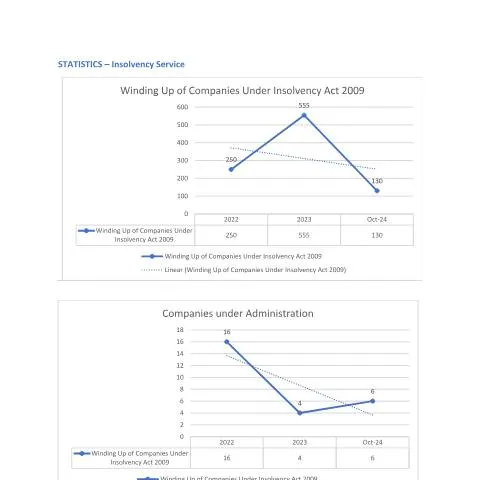
The data collected through this form feeds into a larger analytical framework that allows stakeholders to make informed decisions regarding economic policies and financial regulations. In 2022, for instance, the winding up of companies under the Insolvency Act 2009 saw a total of 250 cases, significantly increasing to 555 in 2023, which highlights the growing need for close monitoring and responsive measures in the insolvency landscape.
Diving Into the Form: Sections and Common Pitfalls
Completing the Statistics Insolvency Service Form necessitates careful attention to detail. Each section of the form has its purpose and specific requirements. Below is a breakdown of key sections and common pitfalls to avoid during the completion process.
Section Breakdown
| Section | Description | Notes |
|---|---|---|
| Company Details | Basic information about the entity undergoing insolvency. | Ensure accuracy of the registered company name and number. |
| Nature of Insolvency | Type of insolvency procedure being followed (e.g., liquidation, administration). | Misclassification can lead to data inaccuracies. |
| Financial Summary | Brief overview of financial position, including assets and liabilities. | Provide realistic figures; discrepancies can lead to audits. |
| Insolvency Practitioner Information | Details of the appointed insolvency practitioner. | Confirm their details are current and accurate. |
Identifying Common Pitfalls
- Incomplete sections leading to unnecessary delays in processing.
- Failure to provide supporting documents, which can hinder validation.
- Incorrect dates that do not align with the timeline of insolvency proceedings.
Key Dates in the Submission Process
The timeline for this process is critical, especially in the context of insolvency where time can significantly impact outcomes. Stakeholders should be aware of the following key dates:
- Submission Start Date: The form is available for completion and submission at any time post the initiation of insolvency proceedings.
- Submission Deadline: All submissions must be made within 30 days of the insolvency practitioner's appointment; delays can result in penalties.
- Review Period: Following submission, the Insolvency Service will review the form within 14 days for accuracy and completeness.
- Reporting Period: Data collected through this form feeds into quarterly and annual reports which influence policy-making.
Understanding the Broader Context: The Role of Data in Insolvency
This form plays a vital role in a wider framework of insolvency management. The data provided by the Statistics Insolvency Service Form not only tracks individual cases but also contributes to a comprehensive understanding of the overall business climate in Mauritius.
For instance, in 2023, there was a notable increase in the number of companies entering administration, with figures indicating a rise from 16 to 12 cases in just one year. Such data can inform the government and regulatory bodies about trends that necessitate intervention or support, whether it be through economic stimulus packages or changes in legislation.
The Historical Perspective on Insolvency Data Collection
The requirement to submit such statistical forms stems from the Insolvency Act 2009, designed to enhance transparency and accountability in the insolvency process. Over the years, the Mauritius government has recognized the importance of systematic data collection as a tool for improving response strategies in times of economic crisis.
Submission Channels: Digital vs. Traditional Approaches
In recent years, the Mauritius government has been pushing for greater adoption of e-services. The Statistics Insolvency Service Form can be submitted through multiple channels, each offering distinct advantages and potential drawbacks:
- Online Submission: Using the government’s MauPass single-sign-on system, stakeholders can submit the form electronically. This method offers convenience and a faster processing time.
- Paper Submission: Although less common now, forms can still be submitted in person or via post. This method may be preferred by those less familiar with digital tools, though it can lead to longer processing times.
- Submission at the Insolvency Office: For those who prefer direct interaction, submitting the form at the Insolvency Office allows for immediate queries and assistance, although it may involve waiting times.
Post-Submission: Monitoring and Follow-Up
Once the form has been submitted, stakeholders should remain proactive in monitoring the progress of their submission. Following these steps can ensure an efficient follow-up:
- Keep a copy of the submitted form for your records.
- Note the submission date and any reference number provided.
- Contact the Insolvency Service after the review period if no confirmation is received.
- Be prepared to provide any additional information requested by the Insolvency Office.
Implications of Non-Compliance
Failure to submit the Statistics Insolvency Service Form on time or incorrect data submission can have serious repercussions, including penalties and potential legal challenges. It can also affect the credibility of the insolvency practitioner and the overall case.
In conclusion, understanding the Statistics Insolvency Service Form, its role, and the nuances involved in its completion is essential for any stakeholder involved in insolvency procedures in Mauritius. As the landscape continues to evolve, staying informed and diligent will ensure compliance and contribute to better outcomes in the Mauritius insolvency framework.
Understanding the Insolvency Framework in Mauritius
The insolvency landscape in Mauritius is governed by specific legal frameworks that reflect the hybrid nature of the country's legal system. The primary legislation dealing with insolvency matters is the Insolvency Act 2009, which was enacted to consolidate and simplify the insolvency process, replacing the previous Bankruptcy Act of 1953. This act outlines the procedures for both personal and corporate insolvency, providing a structured approach for dealing with insolvent entities.
Individuals facing insolvency can initiate voluntary liquidation processes, which require a thorough understanding of the legal implications and potential outcomes. Corporate insolvencies follow a different set of procedures, which typically involve the appointment of an insolvency practitioner. These practitioners play a crucial role in assessing the financial situation of a company, determining the viability of restructuring versus liquidation, and ensuring compliance with the necessary legal requirements.
Insolvency statistics are crucial for understanding trends, economic impacts, and the overall health of the business environment in Mauritius. As of November 2024, the Insolvency Service publishes regular reports detailing the number of corporate and individual insolvencies, the outcomes of these cases, and the sectors most affected. Analysts and policymakers utilize this data to devise strategies for economic recovery and to provide support for businesses at risk of insolvency.
Fill in your form directly online
No printing: type your details into the boxes of the official form, tick, then download the PDF ready to send.
- 1Type into the form boxes
- 2Tick in one click
- 3Save and download the PDF
Key Challenges in the Insolvency Process
While the legal framework for insolvency in Mauritius is robust, there are several challenges that stakeholders face during the insolvency process. One of the most significant issues is the lack of awareness among businesses and individuals about their rights and obligations under insolvency laws. Many individuals may not recognize the signs of potential insolvency until it is too late, leading to unnecessary financial losses.
Additionally, the efficiency of the insolvency process can be impacted by delays in court proceedings and the availability of qualified insolvency practitioners. The requirement for practitioners to be registered and adhere to strict professional standards can sometimes limit the pool of available experts, leading to longer waiting times for the appointment of an insolvency practitioner.
There is also the challenge of public perception regarding insolvency, which can often be stigmatized. This stigma can discourage individuals and businesses from seeking help at an early stage, resulting in more severe financial difficulties. To address this, the Insolvency Service has initiated various awareness campaigns aimed at demystifying the insolvency process and promoting the benefits of early intervention.
Future Trends and Legislative Developments in Insolvency
As Mauritius continues to evolve in its economic strategies, the field of insolvency law is also undergoing changes. The Insolvency Service is actively engaged in discussions to update and refine the existing legal framework to better support economic recovery and facilitate business continuity. Potential legislative changes may include more flexible restructuring options for viable businesses, which could prevent unnecessary liquidations.
Moreover, with the increasing reliance on digital technologies and e-services, there is a push for integrating digital solutions into the insolvency process. This could streamline procedures and improve transparency, making it easier for stakeholders to access information and submit necessary documents electronically. The government aims to implement these changes through the enhancement of its existing e-filing systems, aligning with its broader objectives of promoting digital governance.
Lastly, international trends, including the implementation of best practices from other jurisdictions, may influence future developments in Mauritius' insolvency laws. Continuous collaboration with international organizations and participation in global forums will play a vital role in shaping a more resilient insolvency framework that can better withstand economic shocks.