Understanding the Context: Drug Seizures in Mauritius
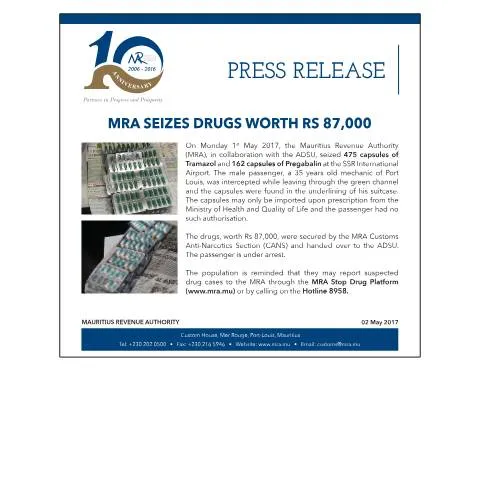
The ongoing battle against drug trafficking in Mauritius has seen various strategies implemented by the Mauritius Revenue Authority (MRA) and other enforcement agencies. The drug seizure incident reported on May 2, 2017, involving the confiscation of Tramazol and Pregabalin capsules, serves as a significant case in point. This incident not only highlights the effectiveness of collaboration between the MRA and the Anti-Drug and Smuggling Unit (ADSU) but also sheds light on the procedures and documentation involved in such cases.
The Role of the Drug Seizure Document (DrugSeizureP1)
At the heart of the administrative follow-up on drug seizures lies the Drug Seizure Document (DrugSeizureP1). This officially recognized document is essential for detailing the specifics of the seizure incidents, including the type of drugs involved, quantities, and the parties implicated. It functions not only as a record of the event but also as a pivotal step in the larger chain of administrative actions that follow the seizure.
This document is crucial for regulatory compliance and helps in tracking cases through the legal system, ensuring that all protocols are observed and that any necessary legal actions can be initiated. For individuals or entities involved in the seizure process, understanding how to fill out and submit this document can greatly influence the outcome of the case.
The Procedural Flow: From Seizure to Reporting
When drugs are seized, the initial action involves various enforcement agencies, primarily the MRA and the ADSU. The collaborative effort ensures a swift response, as seen in the case of the passenger intercepted at SSR International Airport. Following seizure, the information is documented in the Drug Seizure Document, which must be accurately filled to reflect the details of the incident. It includes:
- Date and location of seizure
- Involved parties' details
- Description of the seized items
- Legal basis for the seizure
This comprehensive data collection aids in the collation of evidence that supports any subsequent legal proceedings against the individual(s) involved.
Filling Out the Drug Seizure Document
Completing the DrugSeizureP1 document requires meticulous attention to detail. Here’s a breakdown of key sections to focus on:
- Incident Details: This section should clearly outline the circumstances of the seizure, including the exact time and place where the drugs were found.
- Personal Information of the Accused: Accurate identification details must be provided, which includes the name, age, and occupation of the individual from whom the drugs were seized.
- Type and Quantity of Drugs: Clearly specify the types of drugs, including the total weight and number of capsules. This is crucial for legal classification.
- Legal Justification: Provide a statement of the legal grounds for the seizure based on current drug control regulations.
- Signature of Authorizing Officer: The document must be signed by an authorized officer from the MRA or ADSU to validate the seizure.
Submission Channels: Navigating Your Options
Once the Drug Seizure Document is completed, submission can occur through various channels:
| Submission Method | Description | Advantages |
|---|---|---|
| Online Submission | Using the MRA’s dedicated portal for electronic filing. | Fast, efficient, and allows for tracking status online. |
| In-Person Submission | Delivering the document directly to the MRA office. | Immediate confirmation of receipt and ability to ask questions. |
| Postal Submission | Mailing the completed document to the MRA’s official address. | Useful for individuals unable to travel; however, longer processing time. |
Implications for the Involved Parties
The implications of a drug seizure extend far beyond immediate legal ramifications. For the individual involved, such as the 35-year-old mechanic from Port Louis in the aforementioned incident, the effects can be profound and multifaceted:
- Legal Consequences: Potential prosecution leading to fines or imprisonment based on the severity of the case.
- Social Stigma: The public perception of being involved in drug-related incidents can tarnish an individual's reputation.
- Financial Impact: Legal fees and potential loss of employment due to criminal charges can have significant economic repercussions.
Tracking Progress: Following Up on Your Filing
After the submission of the DrugSeizureP1 document, individuals may wish to monitor the status of their case or the processing of their document. This can be done through several methods:
- Contacting the MRA: Directly reaching out via phone or email can provide updates on the status of the case.
- Online Tracking: If submitted electronically, tracking through the MRA’s online system may be available, providing real-time updates.
- Legal Representation: Engaging a lawyer can ensure that all legal proceedings are appropriately managed and that any necessary follow-ups are conducted.
Awareness and Reporting: Community Responsibility
The MRA actively encourages the public to be vigilant and report suspected drug-related activities. Citizens can utilize the MRA Stop Drug Platform or the dedicated hotline (8958) to anonymously report any suspicious behavior. This empowerment of the community is a critical aspect of combating drug trafficking in Mauritius.
By being proactive, individuals not only contribute to national efforts but also play a pivotal role in ensuring that their neighborhoods remain safe from the detrimental effects of drug abuse and trafficking.
Final Thoughts on the Drug Seizure Document
The Drug Seizure Document (DrugSeizureP1) is more than just a form to fill out; it represents a significant part of a larger process in the fight against drug trafficking in Mauritius. Through understanding its role, knowing how to accurately complete and submit it, and being aware of the wider implications, involved parties can navigate the complex landscape of drug law enforcement more effectively.
Fill in your form directly online
No printing: type your details into the boxes of the official form, tick, then download the PDF ready to send.
- 1Type into the form boxes
- 2Tick in one click
- 3Save and download the PDF
As Mauritius continues to tackle the challenges posed by drug-related crimes, community engagement and responsible reporting are essential. The DrugSeizureP1 form plays a vital role in this ecosystem, helping to uphold the law, support the judicial process, and protect the health and safety of the Mauritian population.
Understanding the Legal Framework for Drug Seizures in Mauritius
The legal framework governing drug seizures in Mauritius is multifaceted, rooted in both the Constitution of 1968 and various specific statutes aimed at combating drug trafficking and abuse. The Dangerous Drugs Act is the primary legislation that outlines the offenses related to the possession, use, and trafficking of narcotics. Under this Act, law enforcement agencies are empowered to conduct searches, seize substances, and arrest individuals involved in drug-related offenses. It is essential for citizens to comprehend the implications of this legal structure, as it highlights the seriousness with which the Mauritian government addresses drug-related issues. Furthermore, the involvement of various authorities, including the Mauritius Revenue Authority (MRA), underscores the coordinated efforts required to effectively tackle drug trafficking. The MRA plays a critical role, not just in terms of executing seizures, but also in investigating the financial implications of drug-related activities, which can significantly disrupt the economy.
Public Initiatives and Community Engagement Against Drug Abuse
In response to rising concerns about drug abuse and trafficking, various public initiatives have been launched aimed at educating citizens and engaging communities in the fight against narcotics. The Mauritian government has implemented awareness campaigns that target schools, local communities, and at-risk populations to prevent drug abuse before it starts. Programs often involve partnerships with NGOs and community leaders to create a supportive environment for individuals seeking help. Additionally, the Ministry of Health and Wellness regularly organizes workshops and training sessions to disseminate information about the dangers of drug abuse and the avenues available for rehabilitation. These community-driven initiatives not only inform the public about the legal ramifications of drug offenses but also encourage a collective societal response to uphold the health and well-being of the community.
Economic Impact of Drug Trafficking and the Role of MRA in Mitigation
The economic repercussions of drug trafficking extend far beyond immediate law enforcement concerns. Drug abuse can lead to increased healthcare costs, loss of productivity, and an overall decline in community health. The MRA’s role in mitigating these effects is significant; by seizing large quantities of illegal drugs, the agency disrupts the financial ecosystem that supports drug trafficking networks. Furthermore, the MRA collaborates with other governmental agencies to monitor and regulate the movement of goods and services that could potentially be linked to drug trafficking. This multifaceted approach not only aims to curtail the supply of narcotics but also seeks to foster a more resilient economy that is less susceptible to the adverse effects of illegal drug trade. The consistent efforts of the MRA in enforcing anti-drug laws contribute to the broader aim of creating a safer environment for citizens and promoting sustainable economic growth.