Understanding the Context of General Notice No. 1366 of 2021
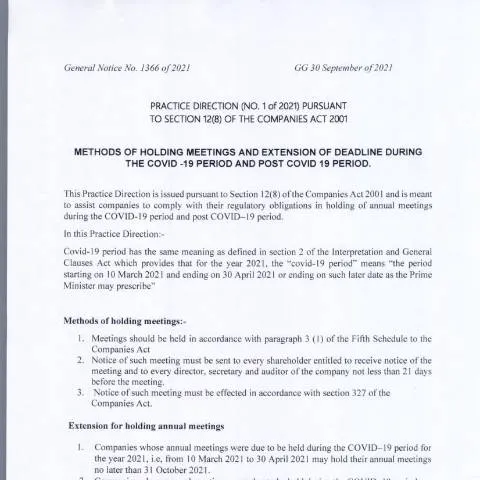
The General Notice No. 1366 of 2021 emerged from the unprecedented challenges posed by the COVID-19 pandemic. As businesses navigated through the constraints of lockdowns and social distancing, the need for regulatory adaptations became evident. This directive, issued under the Companies Act 2001, provides essential guidance on how companies can hold their annual meetings during and after the pandemic. It reflects the Mauritian government's commitment to ensuring business continuity while prioritizing public health.
The Legal Framework Behind the Directive
The Companies Act 2001 establishes the foundational legal structure for the operation of businesses in Mauritius. Section 12(8) provides the authority for issuing practice directions aimed at facilitating compliance with regulatory obligations. This specific notice outlines the alterations permissible under the constraints of the COVID-19 period, thereby reinforcing the adaptability of Mauritian law in response to extraordinary circumstances. This flexibility is crucial, as it allows companies to fulfill their legal responsibilities while adhering to health guidelines.
Deciphering the Purpose of the Notice
General Notice No. 1366 addresses two core aspects: the methods for holding meetings and the extensions granted for annual meetings. Given that many companies faced disruptions in their operations, this notice serves as a lifeline, ensuring they can still engage with their shareholders and meet statutory requirements.
Navigating the Process: How to Hold Meetings Effectively
To comply with the stipulations of the notice, companies must first understand the prescribed methods for holding meetings. The notice emphasizes adherence to specific legal paragraphs while providing flexibility regarding meeting formats, which is particularly pertinent in the current scenario.
Methods for Holding Meetings
- Compliance with Legal Paragraphs: Meetings should be held according to paragraph 3 (1) of the Fifth Schedule to the Companies Act.
- Notice Requirements: Companies are mandated to send notices of the meeting to every shareholder, director, secretary, and auditor at least 21 days prior to the meeting.
- Method of Notification: The notice must be delivered in accordance with the standards set out in section 327 of the Companies Act.
Virtual Meetings: Embracing Technology
In light of the pandemic, many companies have opted for virtual meetings as a viable alternative to physical gatherings. This shift necessitates an understanding of how to effectively utilize digital platforms for engagement.
- Choosing the Right Platform: Ensure that the chosen platform allows for secure and reliable interactions while accommodating the number of participants.
- Testing Technology: Conduct trial runs to familiarize all participants with the platform’s functionalities.
- Engaging Participants: Implement strategies to foster interaction, such as live Q&A sessions or polls.
Critical Documents and Preparation for Compliance
Completing the requirements of General Notice No. 1366 involves preparing and submitting several key documents. Understanding these documents is essential for a smooth compliance process.
Essential Documents for Annual Meetings
- Notice of Meeting: This must include the agenda and instructions for participation.
- Proxy Forms: Enable shareholders unable to attend the meeting to appoint another individual to represent them.
- Annual Financial Statements: These should be prepared in accordance with relevant accounting standards.
Preparing for Potential Challenges
While the framework is designed to facilitate compliance, companies should also prepare for potential challenges during the meeting process. Considerations include:
- Technology failures during virtual meetings.
- Shareholder accessibility issues.
- Compliance with quorum requirements in hybrid or virtual settings.
Understanding Extensions and Their Implications
The General Notice offers significant extensions for companies regarding the timing of annual meetings. This flexibility is crucial for businesses that faced operational interruptions during the COVID-19 pandemic.
Details on Granted Extensions
| Scenario | Original Deadline | Revised Deadline |
|---|---|---|
| Annual meetings due between 10 March 2021 and 30 April 2021 | 30 April 2021 | 31 October 2021 |
| Annual Returns filing post-meeting | 28 days after meeting | No change; continue as stipulated |
Impacts on Business Operations
These extensions are not merely procedural; they have tangible impacts on business operations. Companies can better manage their resources and timelines, allowing for recovery strategies post-COVID-19. Furthermore, this leniency can alleviate pressures on financial reporting and ensure stakeholders remain informed and engaged.
Dealing with Non-Compliance: Steps to Mitigate Issues
Despite best efforts, companies may encounter situations of non-compliance or errors during the meeting process. Understanding how to address these issues is vital.
Steps to Take in Case of Errors or Failures
- Immediate Rectification: Any errors in documentation or compliance should be addressed promptly. Corrections must be communicated to all stakeholders swiftly.
- Seek Professional Advice: In cases of persistent issues, consulting with legal or compliance professionals can provide clarity and solutions.
- Document Everything: Keeping detailed records of communications and compliance efforts can serve as a valuable resource for future reference.
Mitigating Future Risks
To prevent recurrence of non-compliance, companies should implement comprehensive training for their staff regarding compliance requirements and ensure that their processes remain adaptable to any future disruptions.
Particular Considerations for Diverse Businesses
Different businesses face unique challenges and circumstances. Understanding these nuances is crucial for effective compliance.
Fill in your form directly online
No printing: type your details into the boxes of the official form, tick, then download the PDF ready to send.
- 1Type into the form boxes
- 2Tick in one click
- 3Save and download the PDF
Challenges Faced by Foreign Entities
Foreign companies operating in Mauritius may have specific regulations they need to adhere to. This includes understanding local legal frameworks while managing international obligations.
- Adapting to Local Norms: Foreign entities should ensure they are aware of the conventions and legal requirements specific to Mauritian companies.
- Communication with Stakeholders: Keeping international stakeholders informed about local developments and compliance processes is essential.
Addressing Complex Situations: Minors and Vulnerable Stakeholders
When dealing with vulnerable stakeholders or minors, additional protections may be necessary.
- Proxy Representation: It is crucial to ensure appropriate representation for individuals unable to participate due to legal restrictions.
- Enhanced Communication: Tailor communication methods to accommodate various needs, ensuring clarity and understanding.
Final Thoughts on Embracing Compliance and Adaptability
The issuance of General Notice No. 1366 of 2021 exemplifies the flexibility and responsiveness of the Mauritian regulatory framework in the face of adversity. By embracing the principles laid out in this directive, companies can not only maintain compliance but also cultivate resilience in their operations.
As businesses transition into a post-pandemic era, the lessons learned during this time will undoubtedly shape future practices. Adapting to change, fostering open communication, and maintaining a commitment to compliance will be vital for navigating an evolving business landscape.