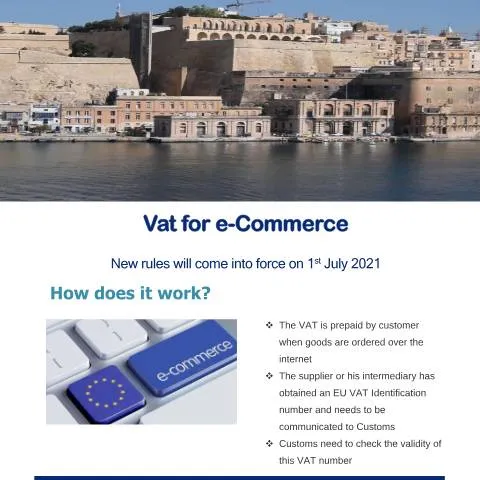
Understanding the Income Tax Fact Sheet: How Does It Work?
The Maltese government provides comprehensive guidance on income tax through official fact sheets designed to clarify the tax system for residents and taxpayers. The document titled “Fact Sheets — how-does-it-work-(6).pdf” aims to offer a clear overview of the principles, procedures, and responsibilities related to income taxation in Malta. This guide is essential for individuals and entities seeking to understand their tax obligations and the administrative processes involved.
Scope and Purpose of the Fact Sheet
This official publication serves as an informative resource to demystify the complex aspects of the Maltese income tax system. It outlines the fundamental concepts, the scope of taxable income, and the procedures for compliance. The fact sheet is intended to support taxpayers in navigating the tax landscape effectively, ensuring transparency and adherence to legal requirements. It also highlights the roles of relevant authorities involved in the administration of income tax, notably the Commissioner for Revenue and other related agencies.
Who Is the Intended Audience?
The primary recipients of this fact sheet are individual taxpayers, self-employed persons, and business entities operating within Malta. It is also relevant for expatriates, foreign investors, and legal representatives who need a clear understanding of the Maltese tax framework. Given the document’s detailed yet accessible language, it is suitable for both seasoned taxpayers and newcomers seeking to familiarize themselves with their fiscal responsibilities.
Key Points Covered in the Fact Sheet
1. Principles of Income Taxation
- Taxable Income: The document explains what constitutes taxable income, including employment earnings, business profits, rental income, and other sources.
- Tax Rates and Allowances: While specific figures are not detailed here, the fact sheet discusses the general approach to tax rates and the availability of allowances and deductions that can reduce taxable income.
2. Filing and Payment Procedures
- Tax Registration: Taxpayers are required to register with the Commissioner for Revenue, often through electronic means, to obtain a tax identification number.
- Tax Returns: The process of submitting annual tax returns, including deadlines and documentation required, is outlined to ensure compliance.
- Payment Methods: The document details the accepted methods for paying taxes, emphasizing the use of online portals and bank transfers facilitated via the official channels.
3. Administrative Processes and Compliance
- Assessments and Audits: The fact sheet describes how tax assessments are conducted and the circumstances under which audits may be initiated.
- Appeals and Disputes: Procedures for challenging tax assessments or decisions are explained, ensuring taxpayers understand their rights under the Public Administration Act.
Legal Framework and Authority
The administration of income tax in Malta is governed by the Public Administration Act (Cap. 595 of the Laws of Malta), which provides the legal basis for tax procedures, assessments, and enforcement. The Commissioner for Revenue is the primary authority responsible for implementing tax laws, issuing guidance, and ensuring compliance through administrative measures. The fact sheet aligns with these legal provisions to promote transparency and fairness in tax administration.
Utilization of Digital Platforms and Authentication
Malta’s tax system increasingly relies on digital platforms to streamline processes. The use of the central electronic ID (e-ID) system is mandatory for most interactions with the tax authorities, including registration, filing, and payments. Taxpayers are encouraged to access services via the official government portal, which consolidates various administrative functions to facilitate user-friendly engagement.
References and Further Guidance
For detailed procedures, legal references, and updates, taxpayers are advised to consult the official publications issued by the Malta Revenue Department and to utilize the resources available on the government’s dedicated portal. The fact sheet serves as a foundational overview, but specific circumstances may require consultation with tax professionals or legal advisors familiar with Maltese tax law.