Understanding the PMT1 Application Process for Ukrainian Refugees
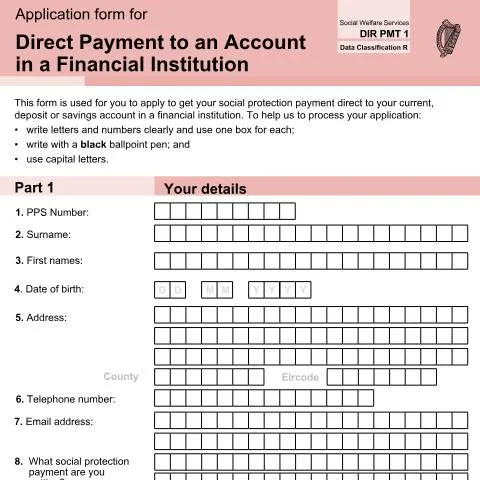
The PMT1 form is an essential document for Ukrainian refugees seeking social protection in Ireland under the EU Temporary Protection Directive. This process aims to provide financial support and facilitate the integration of those who have been displaced due to conflict. By understanding the nuances of this form, applicants can navigate the system with greater confidence, ensuring they receive the support they need without unnecessary delays.
The Audience: Who Should Fill Out the PMT1?
The PMT1 form is specifically designed for individuals arriving from Ukraine who are eligible for temporary protection. Understanding the criteria for eligibility is crucial to ensure that the appropriate individuals benefit from the assistance offered. Here’s a detailed breakdown:
- Ukrainian Nationals: Individuals who fled Ukraine due to the ongoing conflict are the primary audience for the PMT1 form.
- Family Members: Family members of the primary applicant may also qualify for support, depending on their circumstances.
- Exemptions: Certain individuals, such as those already holding long-term residency in another EU country or those who have been granted asylum elsewhere, may not be eligible.
The Department of Social Protection (DSP) outlines specific guidelines regarding who can apply, and it is advisable to consult these regulations in detail.
Decoding the PMT1 Form: Key Sections Explained
Filling out the PMT1 form involves several critical sections, each requiring precise information. Here’s a breakdown to guide applicants through the completion process:
Part 1: Personal Details
The first section collects essential personal information:
- PPS Number: A Personal Public Service Number is crucial for identification within the Irish system.
- Name: Surname and first names must be entered as they appear in official documents.
- Date of Birth: Enter the date correctly to avoid processing delays.
- Contact Information: Provide a current address, email, and phone number to facilitate communication.
Applicants must ensure that all information is accurate as any discrepancies could lead to delays in their payment.
Part 2: Payment Information
This section is vital as it determines how payments will be received:
- Payment Preferences: The form allows for payments to be directly deposited into a bank account. Applicants must provide the financial institution's details, including the account number and bank identifier code.
- Joint Accounts: If the account is jointly held, both account holders' names must be submitted.
Clear instructions are provided regarding how to obtain these details if they are not readily available, emphasizing the need for accuracy to ensure timely payments.
Submission Process: Where and How to Send Your PMT1
Once the PMT1 form is filled out, knowing where to submit it is crucial for processing the application effectively. This varies depending on the applicant's specific circumstances:
| Payment Type | Submission Address |
|---|---|
| State Pension Contributory | The Department of Social ProtectionCollege RoadSligoF91 T384 |
| Disability Allowance | The Department of Social ProtectionÁras Mhic DhiarmadaStore StreetDublin 1D01 WY03 |
| Jobseeker’s Payments | Your local Intreo Centre (details available online) |
Ensuring that the application is sent to the correct department is essential; otherwise, it may be misdirected, leading to delays.
Post-Submission: What Happens Next?
After submission, applicants may wonder what the next steps are in the processing of their PMT1 form. Here’s what to expect:
- Acknowledgment of Receipt: The Department of Social Protection will send an acknowledgment, indicating that the application has been received.
- Processing Time: While processing times can vary, the DSP aims to assess applications as swiftly as possible, often within a few weeks.
- Potential Follow-Up: If any additional information is required, the department will reach out to the applicant.
Timely monitoring of communication from the department is vital to ensure no further information is requested, which could delay the payment.
Common Challenges and How to Overcome Them
Challenges can arise during the application process, and being prepared to tackle these effectively is essential. Here are some common issues and their solutions:
Missing Documentation
It’s crucial to provide all required documentation with the PMT1 form. Missing paperwork can lead to rejection. Here’s how to avoid this:
- Check the list of required documents before submission.
- Have copies of all documents readily available for reference.
- Contact the Department of Social Protection if unsure about what is needed.
Application Refusal
If an application is refused, applicants have the right to appeal the decision. Here’s the process:
- Request a Review: Contact the DSP to understand the reason for the refusal clearly.
- Compile Additional Evidence: If further documentation can support your claim, gather it immediately.
- Submit Your Appeal: Follow the instructions provided by the DSP for lodging an appeal against their decision.
Responsibilities of the Applicant: What You Need to Know
Applicants have specific responsibilities when submitting the PMT1 form, including:
- Providing Accurate Information: Misleading or false information can lead to severe consequences, including prosecution.
- Notification of Changes: It's vital to inform the department of any changes in circumstances, such as moving to a new address or changes in income.
Understanding these obligations will help applicants maintain compliance and avoid any complications with their application.
Preparing for Your PMT1 Application: Checklist for Success
Before submitting the PMT1 form, having a checklist can streamline the process:
- Have your PPS Number at hand.
- Ensure all personal details are accurate and legible.
- Compile necessary bank details for payment processing.
- Check that all required documents are included with your application.
- Review the application for completeness before sending.
By adhering to this checklist, applicants can minimize the risk of delays or refusals in their applications.
Final Thoughts: Navigating the Irish Social Protection System
Completing and submitting the PMT1 form is a vital step for Ukrainian refugees seeking support in Ireland. While the process may seem complex, understanding each part of the form, knowing where to submit it, and being aware of applicant responsibilities are crucial for success. By adequately preparing and staying informed, applicants can ensure a smoother transition into the social protection system in Ireland, allowing them to focus on rebuilding their lives in safety and stability.
Ultimately, the PMT1 form represents more than just a bureaucratic necessity; it is a gateway to essential support during challenging times. Adhering to the guidelines presented here can empower applicants, enabling them to access the assistance they require.
Overview of the EU Temporary Protection Directive in Ireland
The EU Temporary Protection Directive provides an essential framework for EU member states to offer immediate and effective assistance to individuals forced to flee Ukraine due to the ongoing conflict. In Ireland, the government has taken significant measures to comply with this directive, ensuring that those arriving from Ukraine have access to a range of social support services.
Under this directive, individuals and families can seek temporary protection status, which grants them rights to reside in Ireland for a specified duration, typically up to three years. This protection encompasses various aspects, including access to housing, healthcare, education, and the labour market.
The Department of Justice is the primary authority overseeing the implementation of this directive in Ireland. Individuals arriving from Ukraine can apply for temporary protection through the relevant channels, which are designed to expedite their acceptance and integration into Irish society.
Moreover, the government has introduced specific measures to streamline the application process, ensuring that individuals can receive assistance promptly. For instance, upon arrival, individuals are advised to register with the local authorities to receive their Personal Public Service Number (PPSN), which is crucial for accessing various services, including social welfare benefits.
Eligibility Criteria for Social Support Programs
Understanding the eligibility criteria for social support programs is vital for individuals arriving from Ukraine under the Temporary Protection Directive. To qualify for assistance in Ireland, individuals must meet certain conditions, which include but are not limited to:
- Legal Status: Individuals must have been granted temporary protection status in Ireland. This status is usually issued once the applicant presents their details to the Department of Justice upon arrival.
- Documentation: Proper identification and documentation must be provided. This typically includes a passport or national ID, proof of residency in Ukraine, and any relevant travel documents.
- Health Considerations: Vulnerable groups, such as children, the elderly, and those with medical needs, may receive prioritised assistance.
Once eligibility is confirmed, individuals may access social welfare benefits, housing assistance, and healthcare services. It's important for applicants to stay informed about any additional criteria that may be introduced as the situation evolves, as the government may adapt its policies to respond to ongoing developments.
Integration and Community Support Initiatives
In addition to formal social support systems, various community initiatives in Ireland have emerged to facilitate the integration of Ukrainian refugees. Local community groups, non-profits, and volunteer organisations have mobilised to provide essential services that complement government efforts. These initiatives include:
- Language Support: Many community organisations offer free English language courses, helping individuals improve their language skills, which is crucial for employment and social integration.
- Cultural Orientation Programs: These programs provide newcomers with insights into Irish culture, social norms, and day-to-day life, fostering a sense of belonging and community.
- Employment Workshops: Workshops focused on job readiness and skills training, including CV writing and interview preparation, are organised to assist individuals in entering the workforce more efficiently.
Moreover, local authorities often collaborate with these groups to identify the specific needs of Ukrainian migrants and tailor support initiatives accordingly. Engaging with these community efforts not only helps individuals navigate their new environment but also builds social networks that are crucial for emotional support during such challenging transitions.