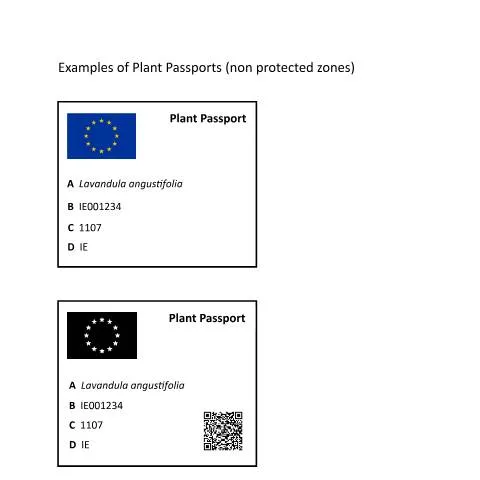
Navigating the Plant Passports and Authorisation Application Process
The journey into horticulture or agriculture can be a fulfilling venture, but it comes with its own set of administrative responsibilities, particularly when dealing with plant materials. Among these responsibilities is the need for a Plant Passport when trading certain plants and plant products within Ireland. This document not only facilitates compliance with the European Union's plant health regulations but also protects the agricultural landscape by ensuring that only healthy, pest-free plants are distributed. Understanding the Plant Passports and Authorisation Application Process is essential for anyone looking to operate within this sector.
Understanding the Landscape: Who Needs a Plant Passport?
There are specific groups and entities within the agricultural and horticultural sectors that are required to apply for a Plant Passport. Essentially, any business or individual that grows, trades, or handles plants may need to obtain this passport. This includes:
- Nurseries: Those who propagate and sell plants.
- Garden Centres: Retailers offering a variety of plant products.
- Landscape Contractors: Professionals involved in planting and maintaining gardens.
- Importers: Businesses bringing plants into Ireland from other countries.
All these entities play a critical role in ensuring that the plants they distribute do not harbor pests or diseases that could threaten local ecosystems.
The Role of the Department of Agriculture, Food and the Marine
The Department of Agriculture, Food and the Marine (DAFM) is at the heart of the Plant Passport application process. They oversee the regulatory framework governing plant health and are responsible for the issuance of Plant Passports. The DAFM ensures that all plant material is traced and documented appropriately, thus safeguarding Ireland's agricultural and horticultural integrity.
Application Submission: How and When to Submit Your Application
Applying for a Plant Passport involves a structured process. Candidates must fill out the relevant application form provided by the DAFM, which includes essential details about the applicant and the plants in question. Here’s a simplified breakdown of the process:
- Complete the Application Form: Ensure that all fields are filled out accurately to prevent delays.
- Submit the Application: Applications can be submitted either online via the DAFM's portal or sent directly by post.
- Await Confirmation: Following submission, the DAFM will process the application and may contact you for further information.
- Receive Your Plant Passport: Once approved, the Plant Passport will be issued.
It’s vital to submit your application well in advance of any trading plans, as processing times can vary.
Decoding the Application Form: A Step-by-Step Guide
The application form is a central element of the process. Let’s explore its sections to ensure you navigate the form with ease:
| Section | Description | Common Pitfalls |
|---|---|---|
| Applicant Details | Your name, business name, and contact information. | Incomplete contact details may lead to delays. |
| Plant Information | Details of the plants being applied for. | Incorrect scientific names can result in rejection. |
| Traceability | Information on the source of the plants. | Insufficient traceability can complicate approval. |
| Declaration | A statement confirming compliance with regulations. | Failure to sign may invalidate the application. |
What Happens After Submission: Next Steps
Once your application is submitted, it enters the processing phase. DAFM officials assess the details provided and may contact you for additional information. During this period, you can take the following steps:
- Monitor Progress: Keep an eye on your application's status through the DAFM portal.
- Prepare for Inspection: If required, be ready for a site inspection by DAFM officers to verify compliance.
- Respond Promptly: If contacted for further information, respond quickly to avoid delays.
Understanding this part of the process can alleviate any anxiety while waiting for your Plant Passport.
Addressing Issues: What to Do If Your Application Is Denied
In the unfortunate event that your application is denied, it is crucial to understand the reasons behind this decision. Common reasons for denial include:
- Incomplete application forms
- Inaccurate plant descriptions
- Lack of traceability documentation
Should your application be denied, you are entitled to:
- Request Feedback: Contact DAFM for a detailed explanation of the denial.
- Rectify Issues: Address the specific reasons provided for denial.
- Reapply: Submit a new application once the issues have been resolved.
It is essential to act promptly and attentively to rectify any pitfalls in your application to facilitate a successful re-submission.
Timing: Key Dates and Deadlines in the Application Process
Understanding the timeline associated with the Plant Passport application can help you plan effectively. Here’s a guide to important dates:
- Application Start Date: You may apply for a Plant Passport at any time, but it is advisable to do so well in advance of the trading season.
- Processing Time: Allow approximately 4-6 weeks for DAFM to process your application.
- Renewal Period: Plant Passports typically need to be renewed annually, so keep track of your expiration date.
Being proactive about these dates will ensure that you remain compliant and avoid any interruptions in your business activities.
Unpacking the Benefits: Why You Should Prioritise Compliance
Obtaining a Plant Passport is not merely about fulfilling a bureaucratic necessity. The benefits of compliance extend far beyond regulatory adherence:
- Market Access: A Plant Passport is essential for legitimate trading both domestically and within the EU.
- Consumer Confidence: Demonstrating compliance fosters trust with your customers, as they are assured of the quality of the plants they purchase.
- Protecting Local Ecosystems: By adhering to plant health regulations, you are actively contributing to the preservation of local flora and agriculture.
Ultimately, viewing the Plant Passport as an asset rather than a burden can help cultivate a more positive outlook on the administrative aspects of your business.
Resource and Support System: Who to Contact for Assistance
If you find yourself in need of guidance during the application process, various resources and support systems are available:
- Department of Agriculture, Food and the Marine: Your primary source for information and assistance.
- Local Agricultural Offices: These offices can provide region-specific assistance and advice.
- Industry Associations: Many industry groups offer resources and support for members navigating regulations.
Engaging with these resources can provide clarity and direction throughout your application journey.
Understanding Plant Passports in Non-Protected Zones
In Ireland, the regulation of plant movement is primarily governed by the European Union Plant Health Regulation (EU) 2016/2031, which aims to safeguard plant health by ensuring the safe movement of plants, plant products, and other regulated articles. A key component of this regulation is the Plant Passport, a document that certifies that plants and plant products have been produced in accordance with EU plant health standards. In non-protected zones, the process for obtaining a plant passport may differ slightly from that in protected zones, and an understanding of this distinction is crucial for both producers and traders.
Non-protected zones typically refer to areas where specific plant health risks associated with certain pests and diseases are considered to be lower. However, this does not exempt producers in these areas from the requirement of obtaining plant passports. Instead, it may dictate the specific conditions under which these passports are issued. For instance, producers in non-protected zones may have different inspection frequencies, or they may be permitted to use specific treatments that are not allowed in protected zones.
Fill in your form directly online
No printing: type your details into the boxes of the official form, tick, then download the PDF ready to send.
- 1Type into the form boxes
- 2Tick in one click
- 3Save and download the PDF
To apply for a plant passport in a non-protected zone, producers must adhere to a series of steps:
- Self-assessment: Producers are encouraged to perform a self-assessment of their production practices to ensure compliance with EU regulations. This includes evaluating the health status of their plants, assessing the risk of pest introduction, and implementing measures that align with the EU standards.
- Application: Once self-assessment is complete, the producer can submit an application for a plant passport to the Department of Agriculture, Food and the Marine (DAFM). This typically involves submitting a completed application form, detailing the type of plant or plant product, the intended destination, and any relevant treatment or inspection records.
- Inspection: Depending on the plant type and the perceived risks, an inspection may be required. DAFM inspectors will evaluate the plants to ensure they meet the necessary health standards. In non-protected zones, the frequency and thoroughness of inspections may vary based on the risk assessment conducted by DAFM.
- Issuance of Plant Passport: Upon successful completion of the inspection and verification of compliance, the plant passport will be issued. This passport must accompany the plants for their entire journey, ensuring traceability and accountability in the supply chain.
Understanding the nuances that come with obtaining plant passports in non-protected zones allows producers to streamline their operations while adhering to EU regulations, ultimately contributing to the overall health of Ireland's agricultural ecosystem.
Compliance and Record-Keeping for Plant Passport Holders
Once a producer has obtained a plant passport, compliance does not end there. Continuous adherence to plant health standards and effective record-keeping are crucial elements for maintaining the validity of the plant passport and ensuring ongoing compliance with EU regulations.
Producers must maintain detailed records related to the plants they produce and sell under a plant passport. This includes:
- Plant Health Records: Keeping a log of the health status of all plants, detailing any pest or disease outbreaks, treatments applied, and the results of any inspections. This documentation is critical in the event of an audit or if questions arise about the health of products being transported under a plant passport.
- Sales and Distribution Records: Documenting every transaction in which a plant passport was used is essential. This includes maintaining invoices, shipping documents, and any correspondence related to the transportation of the plants. These records help trace the movement of plants and ensure accountability throughout the supply chain.
- Compliance with Treatment Protocols: Producers must follow all treatment protocols as specified in the plant passport. This may include treatments for pests or diseases, and any deviation from these protocols can lead to penalties, including the revocation of the plant passport.
Regular internal audits of these records are recommended to ensure compliance and to prepare for any external inspections by DAFM. This not only demonstrates a commitment to plant health standards but also safeguards the producer's reputation and market access.
Failure to comply with record-keeping requirements can result in significant consequences, including fines, revocation of plant passports, and damage to the producer's standing with regulatory authorities. Therefore, it is vital for producers to integrate robust record-keeping practices into their daily operations.
Challenges and Solutions in the Plant Passport Application Process
The process of obtaining a plant passport, while essential for maintaining plant health and supporting trade, can present various challenges for producers in Ireland, particularly in non-protected zones. Understanding these challenges and developing effective strategies can ease the application process and promote compliance.
Some common challenges include:
- Understanding Regulatory Requirements: Producers may find it challenging to navigate the complex regulations surrounding plant passports, especially if they are new to the agricultural sector. To address this issue, producers can engage in training sessions or workshops conducted by DAFM or industry bodies that clarify the requirements and best practices for obtaining and maintaining plant passports.
- Variability in Inspection Protocols: The frequency and nature of inspections can vary depending on the specific plants being produced and the associated risks. This variability can lead to confusion among producers regarding expectations. Establishing clear communication channels with DAFM can help producers understand what to expect during the inspection process and how to prepare adequately.
- Record-Keeping Complexity: As discussed, maintaining accurate records is crucial but can be time-consuming and complex. To streamline this process, producers can invest in simple record-keeping software or templates that automate data entry and storage, making it easier to keep track of their compliance efforts.
Proactively addressing these challenges can significantly improve the efficiency of the plant passport application process. Furthermore, collaboration and networking with other producers can foster a community of shared knowledge and support, ultimately leading to better compliance and healthier plants in Ireland.