Navigating Maternity Benefit: A Comprehensive Insight
For many new parents in Ireland, understanding the intricacies of the Maternity Benefit can be a daunting task. The Operational Guidelines: Maternity Benefit document, issued by the Department of Social Protection, serves as a crucial resource for navigating this essential support system. It offers detailed insights into eligibility criteria, application procedures, and the rights of parents during their maternity leave, ensuring that they can access the support they are entitled to without unnecessary stress.
Understanding Maternity Benefit: The Core Principles
The Maternity Benefit is a payment provided to mothers who take leave from work for the purpose of giving birth. To effectively navigate the Maternity Benefit landscape, it is essential to grasp the following concepts:
- Eligibility Criteria: Eligibility is primarily based on the individual’s PRSI contributions. Mothers must have enough contributions to qualify, typically requiring at least 39 weeks of paid employment within the relevant tax year.
- Duration of Payment: The benefit can be claimed for 26 weeks, with the potential for an additional 16 weeks of unpaid leave.
- Application Process: Applications should be submitted as early as possible, ideally at least six weeks before the expected date of confinement, and can often be completed through MyGovID for ease of access.
- Payment Details: Payments are made directly into the recipient's bank account, which must be established prior to application.
Common Procedural Queries: What You Need to Know
When applying for Maternity Benefit, applicants frequently encounter certain procedural questions that can slow down the process. Here are some of the most common queries and their answers:
- When should I apply? It is recommended to apply at least six weeks before your due date to ensure timely processing.
- What information do I need to provide? You must provide your Personal Public Service Number (PPSN), details of your bank account, and proof of your PRSI contributions.
- Can I continue to work while on Maternity Benefit? No, you cannot work during the period you are claiming Maternity Benefit; doing so may disqualify you from receiving payments.
Decoding Common Misinterpretations
The guidelines surrounding Maternity Benefit can sometimes be misinterpreted, leading to confusion and missed opportunities for support. Here are some common pitfalls:
- Assuming all mothers qualify: It is crucial to note that not all mothers will automatically qualify for Maternity Benefit; there are specific PRSI contribution requirements that must be met.
- Misunderstanding the payment timeline: Some applicants mistakenly believe that payment begins immediately upon application. Payments typically commence only after the birth of the child.
- Confusing Maternity and Paternity Benefits: Maternity Benefit is distinct from Paternity Benefit, which is available for fathers and partners taking leave after the birth of the child.
The Target Audience: Who Benefits from This Guidance?
The Operational Guidelines serve a diverse audience including:
- Expectant Mothers: Women who are about to give birth and need to understand their entitlements and the application process.
- Partners: Fathers or partners who may wish to take Paternity Leave following the birth.
- Employers: Companies and businesses that must ensure they comply with maternity leave regulations and support their employees adequately.
Interconnections with Other Relevant Documents
The Maternity Benefit guidelines do not exist in isolation. They are intricately connected with other social protection documents and benefits, such as:
- Parental Leave Guidelines: Understanding the overlap between maternity and parental leave can help parents plan their time off more effectively.
- Paternity Benefit Guidelines: Fathers should refer to these guidelines to explore their options for parental leave following the birth.
- Social Welfare Documents: Other welfare payments may be available during maternity leave; thus, it’s essential to comprehend how these different forms of support interact.
What the Operational Guidelines Cover—and What They Don’t
The Operational Guidelines: Maternity Benefit document provides a thorough overview of the Maternity Benefit scheme, yet there are boundaries to its scope:
- Coverage of Additional Costs: The guidelines focus on direct benefits and do not address related costs such as childcare, which may be relevant for new parents.
- Complex Situations: Unique scenarios involving self-employment or mixed employment status might require direct consultation with the Department of Social Protection.
Moving Beyond the Basics: Additional Considerations and Best Practices
To enhance the experience of applying for Maternity Benefit, consider these best practices:
- Documentation Preparation: Gather all necessary documentation ahead of time, including your PPSN, proof of employment, and bank details.
- Understand Your Rights: Familiarize yourself with your rights under the Maternity Protection Act and ensure your employer adheres to these provisions.
- Stay Informed: Keep abreast of any changes to legislation or guidelines that may affect your eligibility or the application process.
The Importance of Seeking Assistance
While the guidelines offer substantial information, navigating the application process can still feel overwhelming. It is advisable to seek support from:
- Local Citizens Information Centres: These centres can provide personalized guidance and answer questions related to your specific situation.
- Intreo Centres: For those requiring assistance in dealing with social welfare, Intreo offers comprehensive services for applicants.
- Online Resources: The official government website provides updates and additional information on Maternity Benefit that can aid applicants in their journey.
Final Remarks: Empowering Yourself with Knowledge
In navigating the intricacies of the Maternity Benefit scheme, knowledge is your most powerful ally. The Operational Guidelines: Maternity Benefit document provides crucial insights, but it is your proactive engagement with its provisions, coupled with supportive resources, that will ensure a smooth transition into parenthood. By understanding your rights, preparing the necessary documentation, and seeking assistance when needed, you can secure the support you deserve during this pivotal moment in your life.
By approaching the Maternity Benefit process with clarity and determination, new parents can embark on their parental journey with confidence, assured that they are fully informed and supported by the frameworks established by the Department of Social Protection.
Eligibility Criteria for Maternity Benefit
To qualify for Maternity Benefit in Ireland, applicants must meet specific criteria that are outlined by the Department of Social Protection. These criteria are designed to ensure that the benefit is awarded only to those who genuinely need it and have made the appropriate contributions. Here are the key eligibility factors:
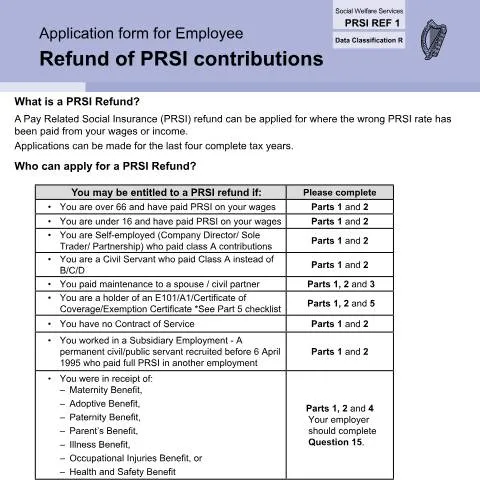
- Pay Related Social Insurance (PRSI) Contributions: Applicants must have paid at least 39 weeks of PRSI contributions since starting work, and a minimum of 39 weeks in the relevant tax year or the previous tax year. It's crucial to check your contribution history via your MyGovID account.
- Duration of Employment: You must be in employment or self-employment at the time of your application. This means you need to have been working and contributing to PRSI before going on maternity leave.
- Residency Requirement: Only residents of Ireland are eligible to apply for the Maternity Benefit, which means you must have a valid PPSN and be ordinarily resident in the country.
- Pregnancy or Adoption: The benefit is applicable for those who are pregnant or have adopted a child. Specific provisions for adoptive leave may differ slightly, so it’s advisable to consult the relevant sections on the Department's website.
It is also important to note that Maternity Benefit can be claimed by both employed and self-employed individuals, although the process may differ slightly. Self-employed individuals need to demonstrate ongoing business activity and the nature of their PRSI contributions.
For more detailed information, applicants should refer directly to the Department of Social Protection's official webpage regarding Maternity Benefit eligibility guidelines.
Application Process for Maternity Benefit
The application process for Maternity Benefit can seem daunting to first-time applicants, but understanding each step can simplify things significantly. Below is a comprehensive guide through the process:
- Gather Required Documents: Before starting your application, it’s essential to collect all necessary documentation. This includes your PPSN, details of your PRSI contributions, proof of pregnancy (such as a maternity certificate), and any other documentation that verifies your employment status.
- Online Application: The most efficient way to apply for Maternity Benefit is through the Department of Social Protection's online portal using your MyGovID. This allows for a more streamlined application experience. Once logged in, navigate to the Maternity Benefit section and complete the online form (Form AB1).
- Submission of Application: Upon completion of the online form, ensure that all information is accurate and submit your application. If applying via paper, you will need to print the form and send it to your local Intreo Centre.
- Awaiting Confirmation: After submission, you will receive an acknowledgment of your application. The processing time can vary, but it typically takes about 6 to 8 weeks. During this period, the Department may reach out for additional information or clarification regarding your application.
- Receiving Payment: If your application is approved, payments will be made directly into your bank account. Make sure to provide your banking details upon application to avoid any delays.
It is advisable to apply for Maternity Benefit as early as possible, ideally at least 6 weeks prior to your expected due date, to ensure that you receive payments timely. Should you encounter any issues, the Department provides a dedicated helpline for queries related to Maternity Benefit.
Frequently Asked Questions about Maternity Benefit
Understanding Maternity Benefit can be challenging due to the various rules and conditions that may apply. Here are some frequently asked questions that can help clarify common concerns:
1. Can I work while receiving Maternity Benefit?
While on Maternity Benefit, you can undertake some work, but there are restrictions. If you are self-employed, you may continue to operate your business, but your earnings must not exceed a certain limit to remain eligible for the full benefit. For employees, it is generally advised to refrain from working for at least the first 26 weeks.
2. What if my PRSI contributions are insufficient?
If your PRSI contributions are insufficient to qualify for Maternity Benefit, you may want to consider applying for a supplementary support payment. The Department of Social Protection may provide additional assistance based on your overall income and circumstances.
3. What happens if I have multiple births?
In the case of multiple births (such as twins or triplets), you may be entitled to additional payments. While Maternity Benefit is typically based on a flat rate, specific provisions may apply, including potential increased allowances for each additional child. It's recommended to consult with the Department for personalized advice regarding your situation.
4. Can I defer my Maternity Benefit payments?
Deferring Maternity Benefit payments is generally not allowed. However, if you are unable to claim the benefit immediately after your leave due to unforeseen circumstances, it is essential to communicate with the Department as soon as possible to explore your options.
For any other questions not covered in this section, applicants are encouraged to reach out directly to the Department of Social Protection or visit their official website for further guidance.