Unpacking the EAHOR: Essential Insights for Employers
Understanding the intricacies of the Employer’s Annual Hazardous Occurrence Report (EAHOR) is vital for employers navigating workplace safety regulations in Canada. This crucial document lays the groundwork for maintaining safe working environments and ensuring compliance with the Canada Labour Code. It serves not only as a mandatory reporting tool but also as a resource to improve workplace safety protocols.
Detailed Breakdown of the EAHOR Sections
The EAHOR consists of various sections that require meticulous attention. Each section gathers specific information regarding workplace injuries, hazardous occurrences, and overall employment data. Below, we delve into each category, highlighting critical components and common pitfalls during completion.
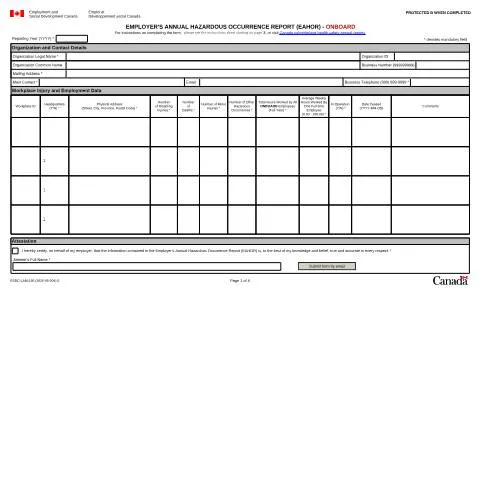
1. Organization and Contact Details
In this section, you’ll provide essential information about your organization. Ensure that the following fields are accurately filled out:
- Reporting Year: Clearly indicate the year being reported, which must align with the previous calendar year.
- Organization Legal Name: Use the name registered with the corporate registry. If this has changed, document the change clearly.
- Email: This email is crucial for communication regarding submissions; ensure it is current and monitored.
Failure to accurately complete this section could lead to miscommunication and delays in processing your report.
2. Workplace Identification and Data Collection
Filling out the workplace injury and employment data accurately is critical. Here are the key points:
- Workplace ID: If this is your first time submitting, leave this blank. This will be assigned later.
- Physical Address: Provide a detailed physical address for clarity and compliance.
- Number of Disabling Injuries: Adhere to the definitions provided in the form—this includes any injury or occupational disease that impacts employees' ability to work.
Each data point feeds into broader workplace safety initiatives and is essential for accurate reporting.
Submission Channels: Navigating Your Options
Employers have several channels through which the EAHOR can be submitted. Understanding these methods can streamline the process and ensure timely compliance.
- Online Submission: The quickest route; ensure you have the necessary digital documentation to accompany your report.
- Mail Submission: A traditional approach that requires careful packaging to ensure documents arrive intact.
- In-Person Submission: Although less common, this method can provide immediate confirmation of receipt, reducing anxiety around lost submissions.
Each submission method has its pros and cons, and the choice largely depends on your organizational structure and preferences.
Key Timeline for Submission and Review
Awareness of critical dates is essential for compliance. The EAHOR must be submitted by the end of January following the reporting year. After submission, anticipate the following:
- Initial Review: Following submission, the Labour Program will review the report.
- Potential Follow-Up: If discrepancies are found, you may be contacted for clarification or additional information.
- Final Confirmation: After all checks, you will receive confirmation that your report has been accepted.
Missing deadlines can lead to administrative monetary penalties, making timely submission imperative.
The Regulatory Framework Behind the EAHOR
The EAHOR is not merely a bureaucratic form; it serves a regulatory purpose rooted in the Canada Labour Code. By gathering data on hazardous occurrences, the Labour Program can assess workplace safety trends and address systemic issues across industries. This framework fosters safer work environments, ultimately benefiting both employers and employees.
The Role of Reporting in Safety Culture
Emphasizing the importance of reporting not only meets legal obligations but also enhances your organization's safety culture. Regular reporting allows for:
- Data-Driven Decisions: Use collected data to inform safety training and policy adjustments.
- Trend Analysis: Identify recurring issues that can be proactively addressed.
- Enhanced Accountability: Foster a culture where safety is prioritized and openly discussed.
Creating an environment where employees feel safe reporting incidents can also lead to improved morale and productivity.
Consequences of Non-Compliance: What Employers Should Know
It is vital to understand the implications of failing to file the EAHOR accurately and on time. Non-compliance can result in:
- Administrative Monetary Penalties: Employers may face fines that escalate with repeated infractions.
- Increased Inspections: Non-compliant employers may attract more scrutiny from regulatory bodies.
- Liability Risks: Failure to report incidents can lead to legal repercussions if injuries occur.
Understanding these risks ensures employers take their reporting obligations seriously.
Preparing for Submission: Documentation and Evidence
Gathering the appropriate documentation is crucial for a smooth submission process. Depending on your organization’s circumstances, you might need to prepare different types of evidence, including:
- Incident Reports: Detailed accounts of any hazardous occurrences must accompany the EAHOR submission.
- Employee Testimonials: Statements from affected employees can provide context and clarity around incidents.
- Medical Records: If applicable, attach any relevant medical documentation pertaining to disabling injuries.
Having this documentation ready not only aids in completing the EAHOR accurately but also demonstrates your organization’s commitment to safety and compliance.
Final Thoughts: The EAHOR as a Tool for Continuous Improvement
The EAHOR is more than a compliance requirement; it's an opportunity for organizations to reflect on their safety practices and make necessary adjustments. By thoroughly understanding and accurately completing the report, employers can foster a safer workplace and contribute to the broader goal of improving occupational health and safety across Canada. Every submission is a step toward a more informed and proactive approach to workplace safety.
Understanding the Importance of the EAHOR in Workplace Safety
The Employer’s Annual Hazardous Occurrence Report (EAHOR) is not just a regulatory requirement; it serves as a critical tool for improving workplace safety across Canada. By mandating the collection and analysis of hazardous occurrences, the EAHOR fosters a culture of safety awareness and accountability. Employers are responsible for documenting incidents, near misses, and any occupational health hazards that may affect their employees. This proactive approach cultivates an environment where potential risks are identified and mitigated before they escalate into serious accidents.
Moreover, the EAHOR assists employers in meeting their obligations under the Occupational Health and Safety Act. Failure to comply with these reporting requirements can lead to severe penalties, including fines or increased scrutiny from regulatory agencies like the Ministry of Labour, Training and Skills Development. Thus, understanding the implications of the EAHOR is essential not only for legal compliance but also for protecting the well-being of your workforce. Regular training sessions and workshops can be invaluable for employees at all levels to understand their role in workplace safety and the significance of reporting hazardous occurrences diligently.
Navigating the EAHOR Submission Process
Submitting the EAHOR may seem like an administrative burden, but understanding the step-by-step process can streamline efforts significantly. The report is typically due annually, with specific deadlines that vary by province; thus, it is crucial to check local regulations. Here’s a comprehensive guide to navigating the submission process:
- Gather Relevant Data: Before starting your report, collect data on all hazardous occurrences from the past year. This includes incidents reported, injuries sustained, safety inspections conducted, and any corrective actions taken.
- Use a Standardized Format: Ensure that you utilize the standardized format provided by your provincial or territorial authority. This usually includes sections for incident descriptions, categorizations, and preventative measures taken.
- Involve Key Personnel: Collaborate with your safety officer, HR department, and any applicable committees to ensure all pertinent information is accurately reported. Their insights will enhance the quality of the report.
- Review and Edit: Before submission, conduct a thorough review of the report for accuracy and completeness. Any discrepancies could lead to challenges or questions from regulatory bodies.
- Submit on Time: Ensure that your EAHOR is submitted before the deadline. Late submissions may result in penalties and could hinder your organization’s reputation concerning workplace safety.
By following these steps, you can help ensure that your submission is both efficient and effective. Proper documentation and timely reporting are instrumental in fostering a safe working environment and demonstrating your commitment to employee health and safety.
Leveraging EAHOR Data for Continuous Improvement
The value of the EAHOR extends beyond compliance; it serves as a rich source of data that can inform continuous improvement strategies within your organization. Analyzing patterns and trends in hazardous occurrences helps identify root causes and areas that require attention. Here’s how you can leverage EAHOR data for ongoing safety enhancements:
- Trend Analysis: Take the time to analyze the data collected over multiple years to identify trends in hazardous occurrences. Are there specific times of the year when incidents spike? Is there a pattern related to certain job functions or locations? This information can guide your safety protocols and training initiatives.
- Implement Targeted Training: Use the insights gained to develop targeted safety training programs. For example, if data reveals repetitive strain injuries in a particular department, offer specialized ergonomic training or workshops to address these issues directly.
- Involve Employees in Safety Committees: Empower your employees to take an active role in safety by involving them in safety committees or workgroups focused on analyzing EAHOR data. Their firsthand experience can provide valuable perspectives on effective safety practices and solutions.
- Regularly Update Safety Protocols: Use the findings from your EAHOR data to continuously update your safety protocols. Regular revisions based on evidence can enhance the overall safety culture within your organization.
Ultimately, treating the EAHOR as a dynamic tool for ongoing improvement can transform your workplace safety culture, enhance employee morale, and reduce incident rates. By committing to a proactive safety strategy, you not only comply with regulatory requirements but also create a safer and more productive work environment.