Navigating Health Claims in Remote Australia: Understanding the PB042 Form
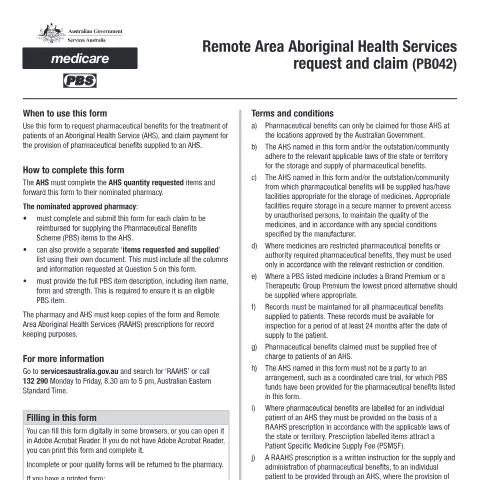
When it comes to accessing health services in remote areas of Australia, ensuring that the appropriate claims are made can be a matter of life and death. The Remote Area Aboriginal Health Services request and claim form (PB042) is an essential tool for health professionals who work directly with Aboriginal and Torres Strait Islander communities. This article will explore the intricacies of the PB042 form, detailing its purpose, the stakeholders involved, and how to successfully navigate the claims process.
The Essence of the PB042 Form: A Lifeline for Remote Communities
In many remote parts of Australia, Aboriginal health services face unique challenges when it comes to delivery and funding. The PB042 form plays a critical role in this ecosystem by enabling Aboriginal health services to claim funding for their operations, ensuring that they can continue to provide care to those who need it most. It is not just a bureaucratic requirement; it is a ticket to sustained health support for vulnerable populations.
Who Submits the PB042 Form?
The form is primarily submitted by registered health service providers who deliver health care to Aboriginal and Torres Strait Islander people in remote areas. Health professionals including doctors, nurses, and allied health practitioners, along with administrative staff within these services, are typically responsible for the completion and submission of this document. They must ensure that the claims made are accurate and reflective of the services provided.
Key Obligations of Health Providers
Submitting the PB042 form comes with significant responsibilities. Health service providers must:
- Ensure accurate reporting of services delivered to eligible patients.
- Keep up-to-date records to support claims.
- Be aware of the eligibility criteria for funding, which can influence the claim's success.
Failure to adhere to these obligations can result in delayed payments or even rejection of the claim, which can have dire consequences for the health services provided to the community.
A Step-by-Step Guide to Filling Out the PB042 Form
The process of completing the PB042 form may seem daunting at first, but a systematic approach can simplify it significantly. Here is a chronological breakdown of the steps involved:
- Review Eligibility: Ensure that your service meets the eligibility criteria set out by Services Australia for health claims.
- Gather Necessary Documentation: Collect all pertinent data, including patient records and service delivery statistics.
- Complete the Form: Fill out the PB042 form meticulously, ensuring that all required fields are completed accurately.
- Submit the Form: Depending on your service, this may be done electronically via myGov or sent directly to Services Australia. Ensure to follow the submission guidelines carefully.
- Track Your Submission: Keep a copy for your records and monitor the status of your claim to ensure it is being processed.
The Importance of Documentation
Proper and thorough documentation not only supports your claim but also guards against potential disputes. Each service provided should be recorded with the corresponding patient details, including:
- Nature of the service
- Date of service
- Provider details
This level of detail is crucial as it substantiates the health services provided to the community and backs the funding requests made through the PB042 form.
Common Pitfalls and How to Avoid Them
Despite the structured nature of the PB042 form, several common mistakes can hinder the claims process:
- Incomplete Information: Failing to fill out all sections can lead to delays. Always double-check your entries.
- Missing Supporting Documents: Ensure all necessary attachments are included with the submission.
- Incorrect Submission Method: Be vigilant about the submission procedures; electronic forms may differ from paper submissions.
To avoid these pitfalls, consider implementing a checklist system for completion and submission to guarantee that no detail is overlooked.
What to Do When Claims Are Rejected
A rejection can be disheartening, especially when the outcome impacts community health services. However, understanding the process can help mitigate the stress associated with a denied claim:
- Assess the Rejection Reason: The initial step is to carefully review the notice of rejection. It will often include specific reasons, such as documentation errors or eligibility issues.
- Gather Additional Evidence: If applicable, gather any additional information that can support your claim.
- File a Review Request: If you believe the rejection was in error, you can request a review. This must be done within a stipulated timeframe, so prompt action is essential.
- Seek Assistance: Utilize community resources or professional networks for advice on navigating the appeals process.
Rejections should not be viewed as the end of the road but rather as an opportunity to refine your claim approach and learn from the experience.
The Regulatory Framework Behind the PB042 Form
Understanding the PB042 form also requires a background knowledge of the legislative context that governs it. The form operates within the framework established by the Administrative Decisions (Judicial Review) Act 1977 (Cth), which provides the legal basis for reviews of administrative decisions. This ensures that decisions made regarding health funding are fair and just, allowing for a merit-based review through the Administrative Appeals Tribunal (AAT).
In summary, the legislative backdrop not only supports the processes surrounding the PB042 form but also empowers health professionals to advocate for the necessary resources to provide vital services in their communities.
Unique Cases and Exceptions: What You Need to Know
While the PB042 form serves a broad range of situations, there are unique cases that may require special consideration:
- Specific Programs: Certain health programs may have additional requirements or variations in how claims are processed.
- Different Territories: Variations in regulations between states and territories may affect how the form is filled and submitted.
- Changing Guidelines: Stay updated on any changes to Services Australia policies that could impact eligibility or claim submission processes.
Health professionals must remain vigilant and adaptable, ensuring that they are up-to-date with any changes that may affect claims related to the PB042 form.
Empowering Aboriginal Health Services: The Future of the PB042 Form
The PB042 form is not just a bureaucratic requirement; it represents an ongoing commitment to addressing health inequalities faced by Aboriginal and Torres Strait Islander communities. By ensuring that accurate and timely submissions are made, health providers can contribute significantly to the health and well-being of the populations they serve. As policies evolve and resources are allocated, the relevance and impact of this form will continue to be crucial for remote area health services in Australia.
By understanding the intricacies of this document and the broader health service landscape, providers can effectively advocate for their communities and ensure that every eligible service is claimed and funded appropriately.