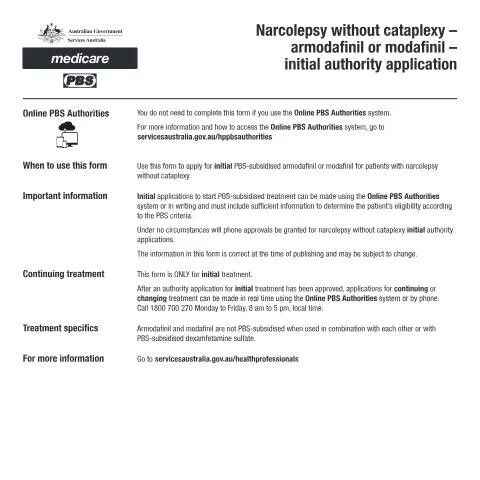
Understanding Form PB104: Your Guide to Narcolepsy Medication Approval
Narcolepsy, particularly when experienced without the episodes of cataplexy, presents unique challenges for individuals seeking effective management. The PB104 form is a significant piece in the puzzle for patients who need medications like armodafinil or modafinil, which help manage this condition. This guide aims to provide a comprehensive understanding of the form, its implications, and the process of obtaining medication approval through Services Australia.
The Significance of PB104 in the Context of Narcolepsy
Form PB104 is not just another bureaucratic requirement; it plays a crucial role in facilitating access to essential medications for those diagnosed with narcolepsy without cataplexy. Unlike similar forms, such as those for other medications or conditions, PB104 specifically addresses the nuances of narcolepsy treatment. This distinction is vital as it acknowledges the particular needs of patients who often experience excessive daytime sleepiness and disrupted night-time sleep.
Who Needs to Submit PB104?
This form is primarily submitted by healthcare professionals acting on behalf of their patients. Typically, a neurologist or sleep specialist familiar with the patient's medical history and treatment needs will fill out the form. It is essential that the submitting clinician has a comprehensive understanding of the patient's condition, as their insights significantly impact the approval process.
What Makes PB104 Different?
- Targeted Research: PB104 is tailored to the specific needs of individuals diagnosed with narcolepsy without cataplexy, ensuring that the medications requested are suitable for their condition.
- Approval Criteria: The criteria for approval on this form differ from those for other medications, which may be more generalized. It focuses on the medical necessity of the requested treatment.
- Monitoring and Review: While other forms may require less follow-up, PB104 leads to ongoing monitoring of the patient's response to the medication, ensuring that it remains appropriate for their treatment regimen.
Charting the Application Journey: From Submission to Decision
Understanding the stages of the PB104 application process is essential for both patients and healthcare providers. Here’s a step-by-step breakdown of what to expect once the form is submitted:
- Preparation: The healthcare provider collects all necessary information and documents to support the medication request.
- Submission: The completed PB104 form is submitted through the appropriate channels, primarily via myGov, ensuring that it reaches Services Australia.
- Assessment: Upon receipt, Services Australia will review the application to determine whether the criteria for approving medications are met.
- Approval or Rejection: Patients will be notified about the decision, including any reasons for denial or requests for additional information.
- Follow-up: If approved, there will be provisions in place for regular reviews to monitor the effectiveness of the medication.
Timelines and Important Dates in the Approval Process
Understanding the timeline associated with the PB104 form is crucial for both patients and healthcare providers. While exact processing times can vary based on individual circumstances, general guidelines can be outlined:
| Stage | Typical Duration |
|---|---|
| Preparation of PB104 | 1-2 weeks (depending on the patient's medical history) |
| Submission to Services Australia | Immediate upon preparation completion |
| Initial Assessment | 2-4 weeks |
| Notification of Decision | Within 1 week of assessment |
| Follow-up Assessment | Varies (regular monitoring as necessary) |
These timelines are indicative and can be influenced by various factors, including workload at Services Australia and the specific complexities of individual applications.
Consequences of Incomplete or Late Submissions
Missing, incomplete, or late submissions can lead to significant delays or outright rejection of the medication request. It is essential to consider the implications:
- Medication Gaps: Delays in approval may result in patients experiencing gaps in their medication regimen, which can exacerbate their condition.
- Re-evaluation Requirements: If the application is rejected due to errors, patients may have to undergo a re-evaluation, which can prolong the process.
- Additional Documentation: Incomplete applications may lead to requests for further documentation, complicating the approval timeline.
Completing PB104: A Step-by-Step Approach
Completing the PB104 form requires careful attention to detail. Here’s a streamlined approach for healthcare providers:
- Patient Information: Gather accurate personal details, including full name, date of birth, and a current Medicare number.
- Diagnosis Confirmation: Document and provide evidence of the narcolepsy diagnosis, ideally through recent medical reports or letters from specialists.
- Medication Details: Clearly state the requested medication, dosage, and the rationale for its necessity.
- Health History: Summarize any relevant health history, including previous treatments and their outcomes.
- Signature and Date: Ensure that the form is signed and dated by the healthcare provider submitting it.
Holistic View: The Role of Healthcare Providers in Navigating PB104
The healthcare provider's role extends beyond just completing and submitting form PB104; they are vital in supporting the patient throughout the entire process. Here’s how they can help:
- Patient Education: Providers should educate patients about the implications of their diagnosis and the importance of the medications being requested.
- Communication: Keeping an open line of communication with patients about the status of their application can alleviate anxiety.
- Ongoing Support: After submission, providers should continue to monitor the patient’s condition and be prepared to make adjustments to the treatment plan as needed.
In this collaborative approach, patients can feel more empowered and supported, leading to better health outcomes.
Resources and Further Information
For those involved in the process, staying informed about the latest developments regarding PB104 is essential. Regularly consult with Services Australia and keep abreast of any changes in policies or procedures. Additionally, connecting with support groups or forums related to narcolepsy can provide valuable insights and peer support.
By comprehensively understanding the role and requirements of the PB104 form, both patients and healthcare providers can navigate this essential process more effectively, leading to improved management of narcolepsy without cataplexy.