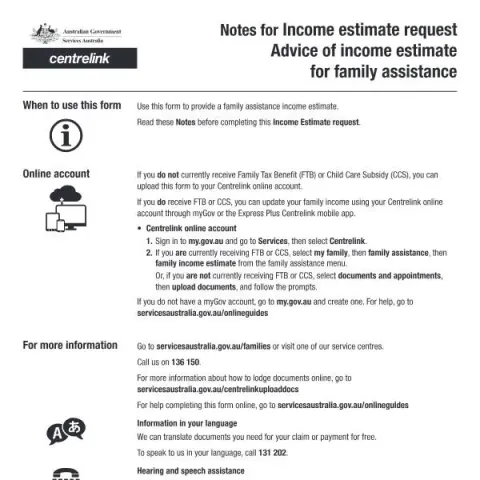
Understanding the Notification of Income for Family Assistance
Navigating the complexities of family assistance in Australia requires clear communication with the Australian Taxation Office (ATO). One of the critical components in this process is the Notification of Income for Family Assistance. This letter is crucial for ensuring that the income details of a family are accurately reported, allowing for the proper calculation of family assistance payments. Incorrect or incomplete information can lead to significant delays or even overpayments which may need to be repaid. Therefore, understanding how to correctly draft this letter is essential for any family seeking assistance.
The Importance of Accuracy in Your Notification
When you are preparing to send in your Notification of Income for Family Assistance, accuracy is paramount. The ATO uses this information to determine your eligibility for various benefits, including Family Tax Benefit and Child Care Subsidy. Here are the essential elements that must be included in your notification:
- Your full name: Ensure that your name matches the name registered with the ATO.
- Your Tax File Number (TFN): This unique identifier is critical for processing your income details.
- Your reported income: Clearly state your income for the financial year, including any additional sources.
- Declaration of any other family members' income: If applicable, include the income details of your partner or dependents.
Failure to include any of these details can lead to delays in processing your assistance payments, or worse, adjustments that could impact your financial situation significantly.
Drafting the Letter: Structure and Tone
When composing your Notification of Income for Family Assistance, it's essential to maintain a formal yet approachable tone. Use plain language and avoid jargon. Structuring your letter properly not only aids clarity but also demonstrates professionalism. Below is a suggested template for your letter:
[Your Name] [Your Address] [City, State, Postcode] [Date]
Australian Taxation Office [Relevant Office Address if applicable] [City, State, Postcode]
Subject: Notification of Income for Family Assistance
Dear Sir/Madam,
I am writing to notify you of my income for the financial year [insert financial year]. My details are as follows:
Full Name: [Your Name] Tax File Number: [Your TFN] Annual Income: [Your Income]
If applicable, I have also included my partner's income information:
Partner's Full Name: [Partner’s Name] Partner's Income: [Partner’s Income]
Thank you for your attention to this matter. Please do not hesitate to contact me should you require any further information.
Sincerely, [Your Name]
What Happens After You Send Your Notification?
Once your Notification of Income for Family Assistance is sent, it's essential to understand the timeline and what to expect next. Generally, the ATO aims to process notifications promptly, but various factors can influence the response time. Here’s what you should keep in mind:
- Response Time: The ATO typically acknowledges receipt of your notification within a few weeks. If you do not receive confirmation, consider following up.
- Potential Follow-Up: Should the ATO require additional information or clarification, they will reach out via the contact details you provided. Respond promptly to avoid delays.
- Disbursement of Benefits: Your family assistance payments may be adjusted based on the updated income information. Keep track of any changes to ensure your benefits are accurate.
If you encounter issues or believe there has been a mistake in the processing of your notification, know that you have the right to request a review through the Administrative Appeals Tribunal (AAT). Understanding this process can significantly alleviate stress and ensure you receive the correct benefits.
Your Rights and Responsibilities
When dealing with the ATO and family assistance, it's vital to be aware of your rights and responsibilities. As an applicant, you are entitled to:
- Transparency: You have the right to know how your information is used and the decisions made regarding your family assistance payments.
- Correct Information: You can challenge any incorrect information processed regarding your income notification.
- Fair Process: The ATO must adhere to established guidelines and procedures when processing your notification.
Conversely, you also have responsibilities, including:
- Submission of Accurate Information: It’s your duty to provide accurate and complete income details.
- Timeliness: Submitting your notification on time to avoid issues with your benefits.
- Adherence to Policies: Understanding and complying with ATO policies related to family assistance.
Variations Based on Your Individual Situation
Your circumstances may influence how you approach the Notification of Income for Family Assistance. Consider the following scenarios:
Single Parent Families
If you are a single parent, you may be eligible for higher assistance payments. Clearly outline your situation in your notification to ensure the ATO has a complete picture of your financial status.
Families with Multiple Income Sources
For families where both partners work, ensure that you report each income source transparently. Any unreported income can lead to penalties or overpayments.
Temporary Income Changes
If you anticipate a temporary change in income—such as a job loss or maternity leave—informing the ATO proactively can help you manage your family assistance payments better.
International Considerations
For families who may have income from overseas, it’s crucial to understand how this income is treated under Australian tax law. Providing this information accurately will ensure your notification is complete and compliant.
Practical Tips for Sending Your Notification
Before sending your Notification of Income for Family Assistance, consider the following practical tips:
Fill in your form directly online
No printing: type your details into the boxes of the official form, tick, then download the PDF ready to send.
- 1Type into the form boxes
- 2Tick in one click
- 3Save and download the PDF
- Double-Check Your Details: Review your letter for any errors or omissions. A small mistake can lead to significant delays.
- Choose the Right Delivery Method: Sending your letter via registered mail is advisable to ensure it reaches the ATO safely.
- Keep a Copy: Retain a copy of the letter for your records, along with any receipts of mailing.
- Follow Up: If you don’t receive acknowledgment within the expected timeframe, follow up with the ATO using the contact details provided on their website.
Conclusion: Staying Informed and Prepared
Understanding the nuances of the Notification of Income for Family Assistance is essential for securing the support your family needs. By ensuring accurate information submission, knowing your rights and responsibilities, and preparing effectively for your notification, you can navigate this process with confidence. Keeping abreast of any changes in family assistance policies or ATO procedures will further empower you to make informed decisions.
Stay proactive in your communication with the ATO, and do not hesitate to seek advice if needed. Your family's financial stability is worth the effort in ensuring that all communications are clear, accurate, and timely.
Understanding Family Tax Benefit (FTB) and Its Impact on Your Income Notification
The Family Tax Benefit (FTB) is a vital support for families in Australia, designed to assist with the cost of raising children. When you notify Centrelink about your income, it’s crucial to understand how this will affect your FTB payments. The FTB comprises two parts: FTB Part A and FTB Part B, each with distinct eligibility criteria and payment rates, which can shift based on your reported income.
FTB Part A is income-tested and paid per child, while FTB Part B provides additional assistance to single-parent families or families where one parent earns significantly less. The income thresholds and payment rates are reviewed annually, so staying informed about your income reporting obligations is essential to maximize your entitlements.
When you provide your income details to Centrelink, it’s important to ensure that you include all sources of income, such as salary, wages, and other forms of income like pensions or rental income. Failing to accurately report your income can result in overpayments or underpayments, which may require repayment or cause future payments to be adjusted.
Your current income may also affect your eligibility for different supplements, such as the Newborn Upfront Payment or the Newborn Supplement, which are available to families expecting a child. Understanding these aspects can help you navigate your financial entitlements effectively.
Common Mistakes to Avoid When Reporting Income to Centrelink
Reporting income for Family Assistance can be straightforward, but many applicants make critical errors that can affect their benefits. Here are common pitfalls to watch out for:
- Not Reporting All Income Sources: As mentioned earlier, it's essential to report every source of income. This includes casual jobs, freelance work, and any government payments. An incomplete picture can significantly impact your overall payments.
- Misunderstanding Income Reporting Periods: Centrelink requires you to report your income for a specific period. Be aware of your reporting period (usually every 12 months) and ensure you're sending the correct income information within this frame.
- Ignoring Changes in Circumstances: If your employment status changes or your income fluctuates (e.g., losing a job or receiving a raise), you must notify Centrelink promptly. Delaying this can lead to undue penalties or adjustments in your Family Assistance payments.
- Failing to Check for Updates: Centrelink policies and thresholds can change. Regularly check for updates regarding the Family Tax Benefit rates and income thresholds, as these can influence your entitlement significantly.
By avoiding these mistakes, you can ensure that you receive the correct Family Assistance payments without delays or complications. If you're ever in doubt, seek clarification from a Centrelink representative or consult reliable resources available online.
How to Appeal a Decision on Your Income Notification
If you receive a decision from Centrelink regarding your Family Assistance payments that you believe is incorrect, you have the right to appeal. Here’s a step-by-step guide on how to proceed:
- Understand the Decision: Carefully read the notice that Centrelink provided. It should outline the reasons for the decision, including details on how your income was assessed.
- Prepare Your Case: Collect evidence to support your appeal. This may include pay slips, tax returns, bank statements, or any relevant documentation that substantiates your income claims.
- Contact Centrelink: Before lodging a formal appeal, you may want to contact Centrelink directly to discuss the decision. They might be able to clarify any misunderstandings or errors in your case.
- Lodge a Request for Review: If you're still unsatisfied after contacting Centrelink, you can request an internal review. This involves submitting a written statement explaining why you believe the decision is wrong, along with your supporting evidence. This often needs to be done within 13 weeks of receiving the original decision.
- Escalate to the Administrative Appeals Tribunal (AAT): If the internal review does not resolve your issue, you can escalate the matter to the AAT. The AAT conducts an independent review of Centrelink's decision and considers both the facts and the law. You must apply to the AAT within 12 weeks from the date of the internal review decision.
The appeals process can be complex, but it is designed to ensure your rights are upheld. If you feel overwhelmed, consider seeking assistance from community legal services or advocates who specialize in social security law. They can provide guidance tailored to your situation and help strengthen your appeal.